How to Choose Climbing Shoes for Beginners
Published How we research
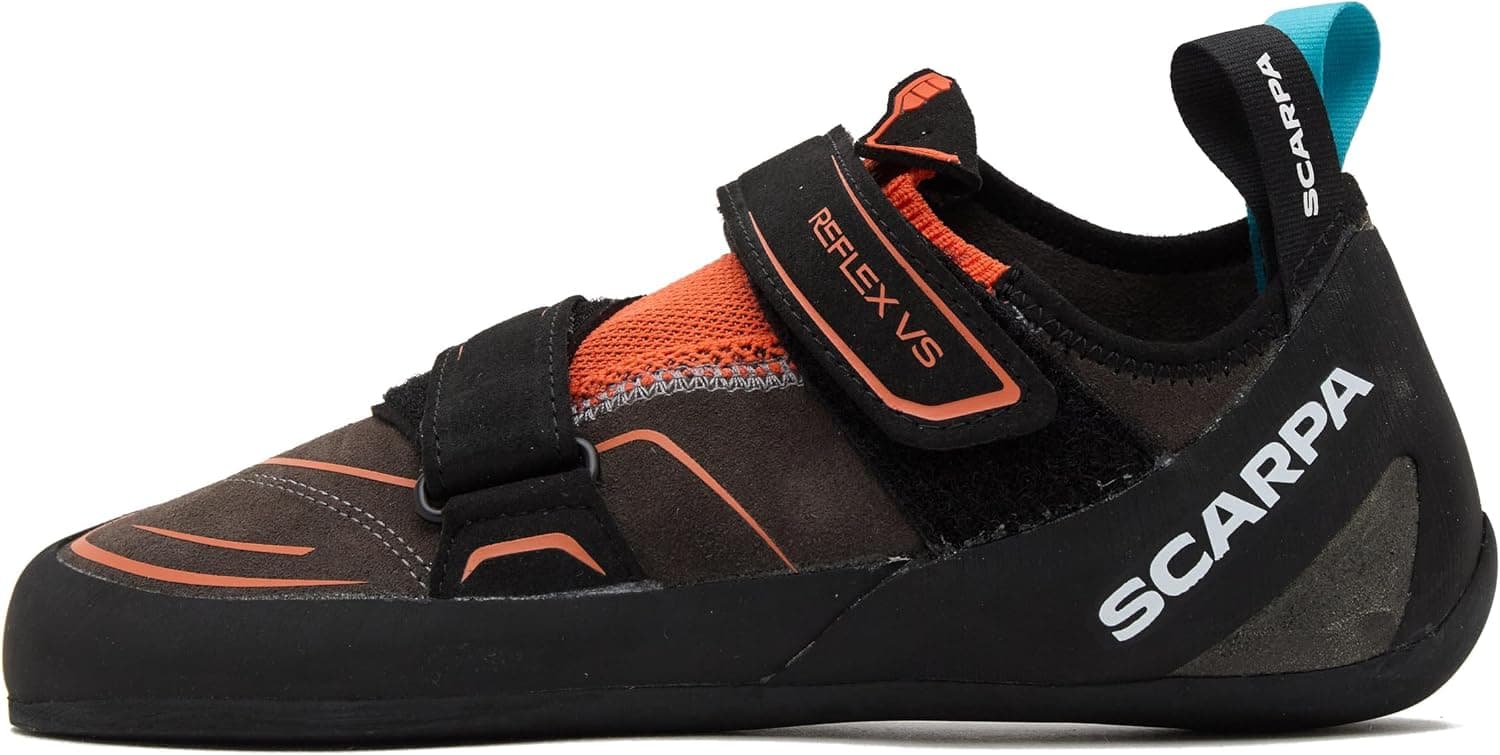
For a first pair of climbing shoes, choose a flat (neutral) shape, a hook-and-loop or lace closure, a sole that feels stiff rather than floppy, and a fit that is snug everywhere with no dead space and no sharp pain. Buy an entry model from an established climbing brand instead of an aggressive downturned shoe: the aggressive shoe costs more, hurts more and teaches worse footwork while you are still learning to stand on your feet. Beyond that, the choice comes down to four variables you can read off any product page: shape, closure, rubber and upper material. This article walks through each one, then matches them to where you actually climb, so you can shortlist two or three models before you ever try one on.
Products from this article
The highest-scoring picks from the buying guides this article links to. Scores are our editorial assessment, not customer ratings.
+ Unisex sizing opens up more options for a range of foot shapes
From our guide: Best Beginner Climbing Shoes
+ Very sensitive design lets you feel tiny smears and volumes through the sole
From our guide: Best Bouldering Shoes
+ Moderate downturn is aggressive enough for steep sport yet comfortable enough to wear longer
From our guide: Best Sport Climbing Shoes
+ High-top cuff protects ankles when jamming feet into cracks
From our guide: Best Crack Climbing Shoes
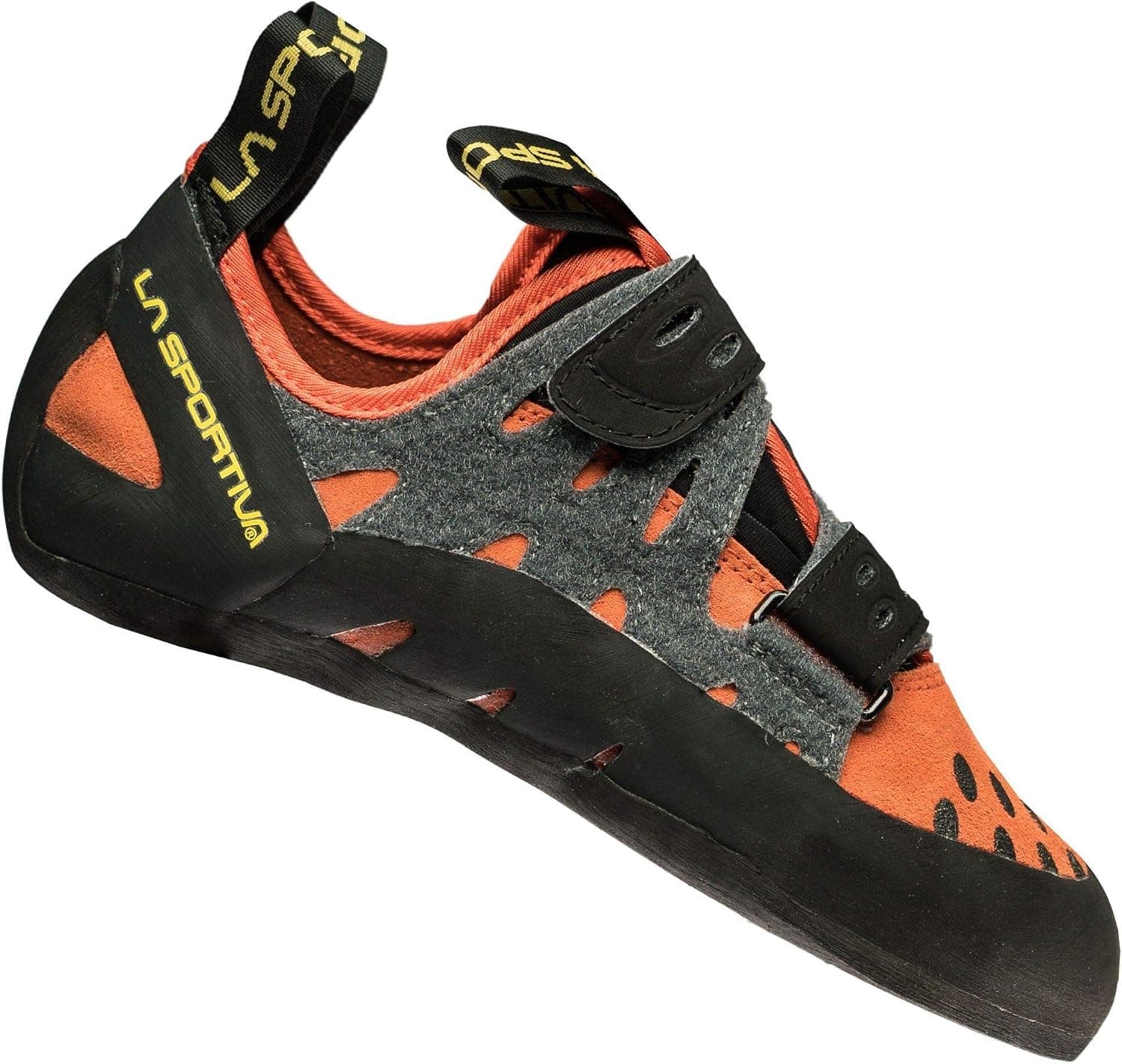
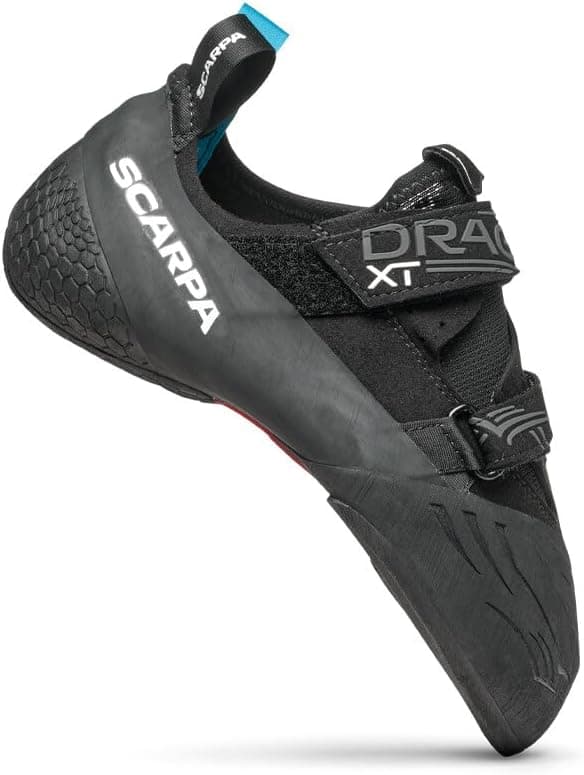
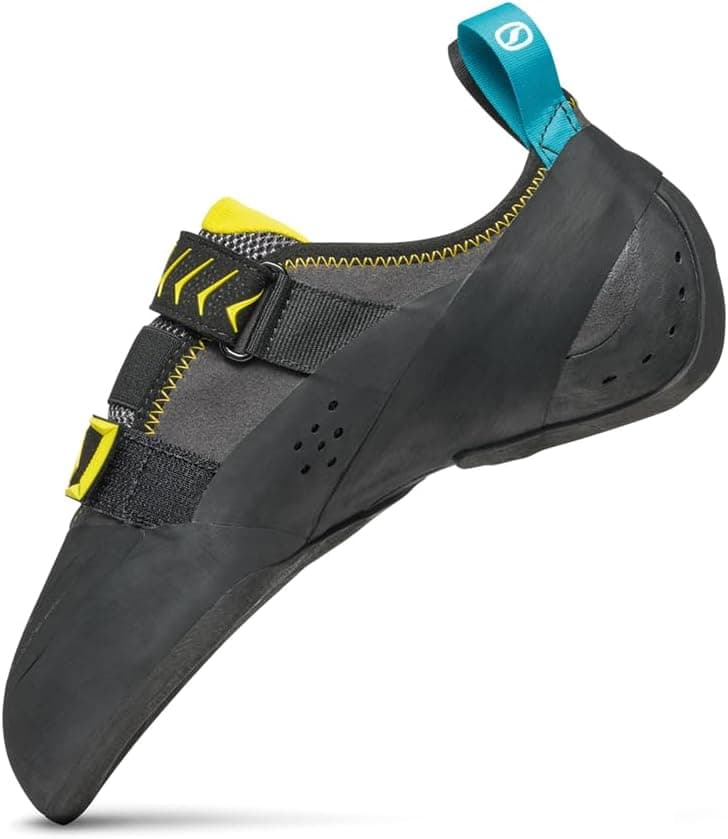
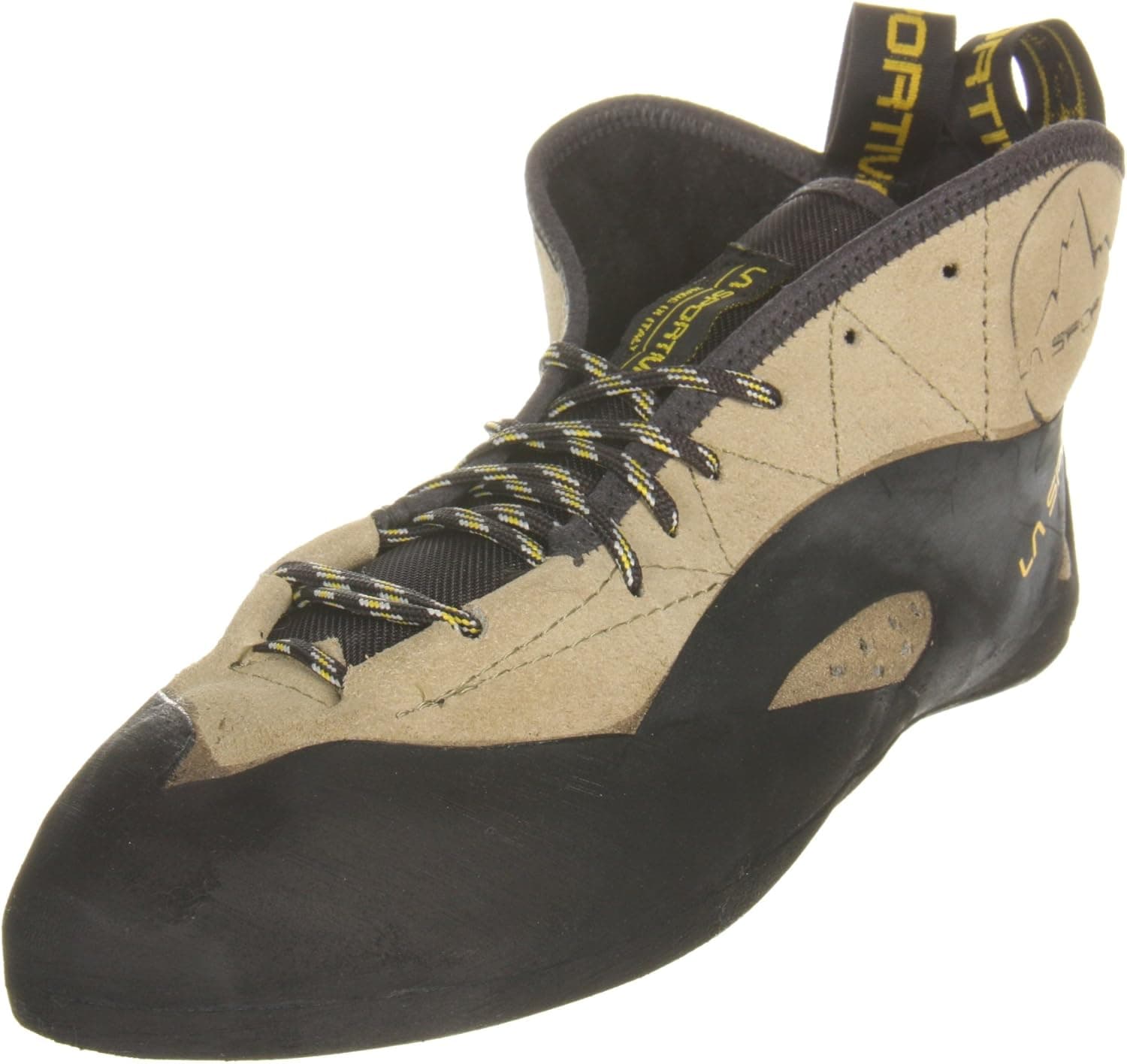
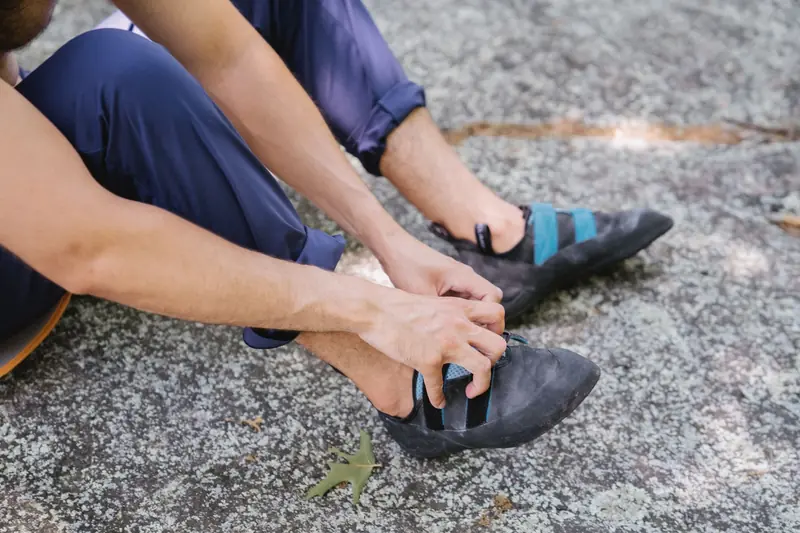
Shape: neutral, moderate or aggressive
Climbing shoes are built on a last that is either flat (neutral), slightly downturned (moderate) or strongly downturned and asymmetric (aggressive). A neutral shoe holds your toes roughly flat, which spreads pressure across the whole foot and lets you wear the shoe for a two-hour gym session or a full day of easy routes. Moderate shoes curl the toes a little so the foot pushes into the toe box on small holds and overhangs. Aggressive shoes bend the foot into a claw and twist it toward the big toe, which is excellent on steep bouldering and useless for comfort, slab climbing or foot jams.
Beginners should start neutral, and most people who climb once or twice a week stay in neutral or moderate shoes for years. The reason is not just comfort: a flat shoe gives honest feedback about whether you placed your foot well, while a downturned shoe can disguise a sloppy placement on an overhang and then punish you on vertical terrain. The entry models from La Sportiva, Scarpa, Evolv, Black Diamond and similar brands are all neutral for exactly this reason.
Closure: laces, hook-and-loop or slipper
Lace-up shoes give the most adjustable fit. You can snug the forefoot and leave the instep looser, or tighten everything down as an unlined leather upper stretches, which is why many all-day outdoor shoes and crack shoes are laced. The cost is time: laces are slow to take on and off, which matters when you want your shoes off between every boulder problem.
Hook-and-loop (Velcro) shoes with two or three straps are the default for gym climbing and bouldering because they come off in two seconds and go back on just as fast. They fit less precisely than laces across the instep and the straps wear out before the rest of the shoe does, but for a first pair the convenience usually wins. Slippers with an elastic upper and no closure are the lightest and most sensitive, and they are the hardest to size because nothing holds the heel in except the fit itself. They are a poor choice for a first shoe and a good choice later for training boards and steep bouldering.
Rubber and stiffness
Sole rubber comes in two specs that matter: thickness and compound. Beginner and all-round shoes typically carry 4 to 5 mm of harder rubber, which supports the foot on edges and survives the toe-dragging that every new climber does. Performance shoes drop to about 3 to 3.5 mm of softer, stickier rubber that feels great on smears and volumes but wears through in a season of heavy use. If you are choosing between two entry models and one lists a thicker, more durable sole, that is usually the better first purchase.
Stiffness comes from the midsole, not just the rubber. A stiffer shoe stands on small footholds with less effort from your toes and calves, which is exactly what untrained feet need. A soft shoe feels precise and lets you grab holds with your toes on overhangs, but it tires weak feet quickly and shows every footwork mistake. Most beginner shoes sit on the stiff side of the range, and that is the right default for anyone whose feet get tired before their arms do.
Upper material: how much the shoe will stretch
Unlined leather uppers stretch the most, commonly up to about a full size over the first weeks, so they are bought tighter than they will end up. Lined leather stretches less, roughly half a size, because the lining limits how far the leather can move. Synthetic uppers barely change: the shoe you buy is the shoe you will have in six months. Product pages almost always state the upper material, and it changes how you should size the shoe more than any other spec.
There is a practical trade-off beyond stretch. Leather molds to your foot and breathes better, so a leather beginner shoe often ends up the more comfortable one after it breaks in. Synthetic shoes keep a precise shape, dry faster and tend to smell worse after sweaty gym sessions, which is why airing them out after every session matters more with a synthetic upper.
Sizing: the short version
Forget the myth that climbing shoes must be two sizes down and painful. The target is snug with the toes touching the end of the shoe, flat or slightly bent, no gap in front of the toes, no lift at the heel and no dead space under the arch. Street shoe size is only a starting point because every brand uses its own lasts: one model may fit true to street size and the next from the same brand may run a full size large. Try shoes on in the afternoon when your feet have swollen a little, and if you are between sizes, let the upper material decide: round down for unlined leather, round up for synthetic.
If you can only try shoes at home, buy from a seller with free returns, order two sizes, and stand on the edge of a step or a board in each pair. The shoe that holds your weight on the toe without your foot sliding forward is the right size. We cover the pressure points, the heel test and what to do about a wide or narrow foot in a separate article on fit.
Match the shoe to where you climb
Indoor top rope and easy lead: a neutral, stiff-ish shoe with hook-and-loop straps. You will take the shoes off between climbs and spend most of the session on big footholds, so comfort and durability matter more than sensitivity. This is the classic first pair and the one most gyms sell at the front desk.
Indoor bouldering: still neutral for the first few months, but a moderate shoe starts to pay off once you spend most sessions on overhangs and volumes. Softer rubber and a slight downturn help you toe in on steep holds and heel hook. Shoes come off after every problem, so straps or a slipper beat laces here.
Outdoor sport climbing and long days: a lace-up neutral or moderate shoe in leather, sized to stay on for a whole pitch and a bit of walking. Crack climbing is its own case: a flat, stiff, often high-top lace-up with a low-profile toe box, because you will be jamming your feet into fissures rather than standing on edges. Children need their own category, with adjustable closures and flat soles that let growing feet sit naturally.
What to spend, and when to buy a second pair
Entry models from the main brands cost well under what a performance shoe costs, and that gap is worth respecting. A beginner wears through toe rubber faster than anyone because the feet drag, scrape and get placed twice on every hold. Spend less on the first pair, climb in it until the rubber at the big toe wears thin or your footwork clearly outgrows it, then decide whether a resole or a second, more specialized pair makes sense.
The second pair is where shape choice gets interesting. By then you know whether you prefer bouldering or routes, steep or vertical, and your feet have adapted to a snug fit. Many climbers keep the comfortable neutral shoe for warm-ups and long days and add a moderate or aggressive shoe for projects. Buying that specialized shoe first, before you know what you like, is the most common and most expensive beginner mistake.
Frequently asked questions
Should beginners buy hook-and-loop or lace-up climbing shoes? For gym climbing and bouldering, hook-and-loop straps are the better first choice because the shoes come off between climbs in seconds. Choose laces if you expect long outdoor days or you have a hard-to-fit foot that needs adjustment across the instep.
Is it bad to climb in rental shoes for a while? No. Rental shoes are neutral, durable and roughly fitted, which is fine for the first few sessions while you decide whether you will keep climbing. Buy your own pair once the loose fit starts to limit you on smaller footholds, usually within the first month or two of regular sessions.
Do men's and women's climbing shoes differ? Women's or low-volume models are built on a narrower last with a lower instep and smaller heel cup, not just a different color. Climbers of any gender with narrow, low-volume feet often fit those models better, and the reverse is true for wide feet in a high-volume last.
How tight should a beginner climbing shoe be? Snug enough that the toes touch the end and the heel does not lift when you stand on your toes, but not so tight that you need to take the shoes off after every route. Pain that makes you avoid placing your feet is slowing your progress, not speeding it up.
Popular right now
- The Best Climbing Nuts and StoppersBuying guide
- Best Belay DevicesBuying guide
- Best Headlamps for ClimbersBuying guide
- Bouldering vs Rope ClimbingArticle
- Climbing Photography BasicsArticle
- The Best Climbing SalvesBuying guide
Based on the last 28 days of search and visitor data.