Bouldering vs Rope Climbing
As an Amazon Associate I earn from qualifying purchases.
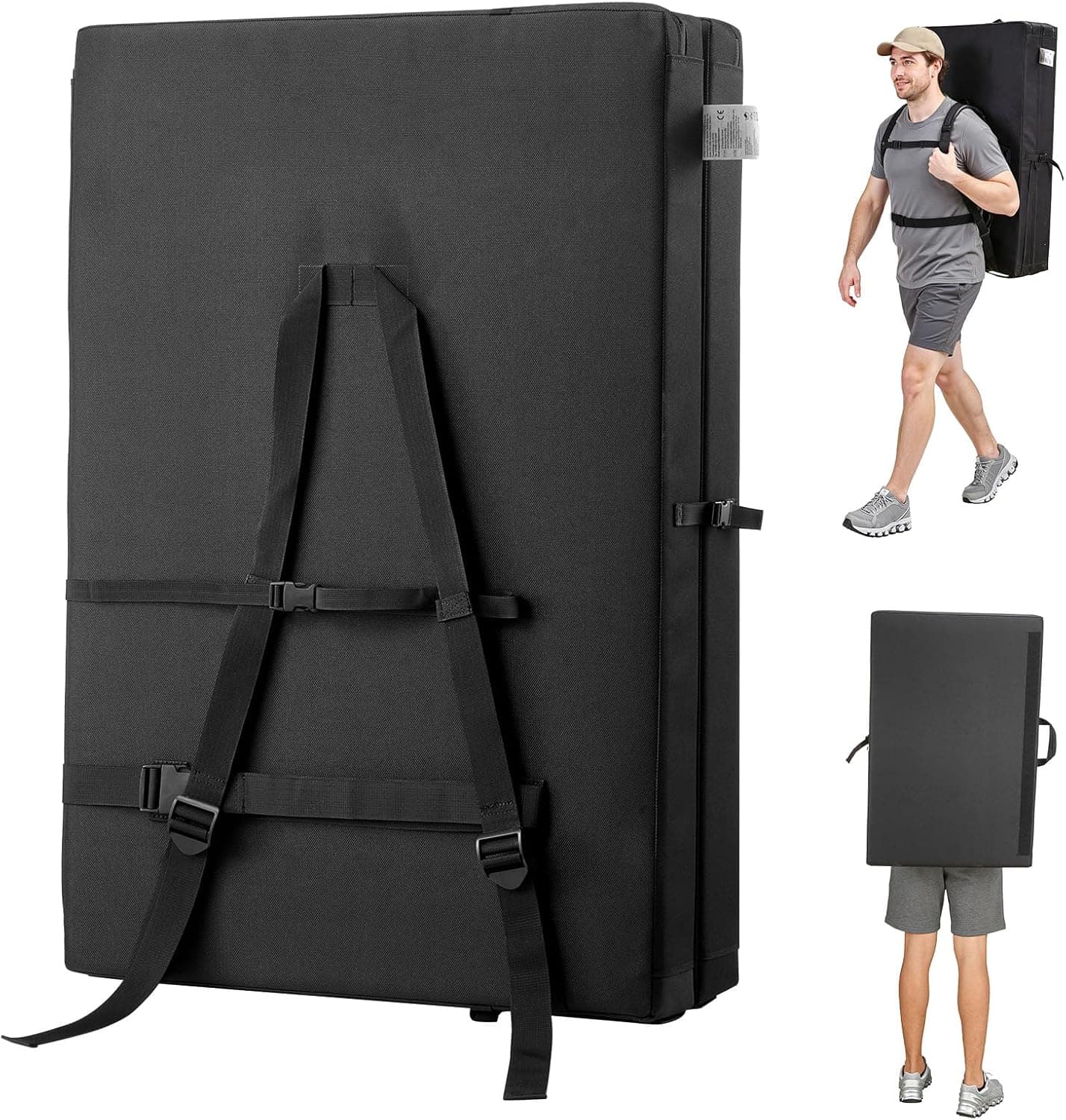
Bouldering and rope climbing are two branches of the same sport, and most climbers eventually try both. Bouldering means climbing short walls or boulders, typically under four or five meters, without a rope, protected by thick pads. Rope climbing covers top roping and lead climbing on taller walls, where a rope, harness, and belayer manage the consequences of a fall. The movement vocabulary is shared, but the experience, gear, and culture differ enough that beginners often connect with one before the other.
Bouldering has the lowest barrier to entry. You need shoes and chalk, nothing else, and you can show up alone at any bouldering gym and start climbing within minutes. The routes, called problems, are short and intense, emphasizing powerful moves and technical puzzles. Because each attempt lasts seconds rather than minutes, bouldering is naturally social: climbers gather beneath problems, share ideas about sequences, and cheer each other's attempts. If you like the idea of a workout that feels like solving puzzles with friends, bouldering is an easy sell.
The trade-off is that every bouldering fall is a ground fall. Pads and good falling technique manage the impact, but ankles, wrists, and knees take more cumulative stress than in roped climbing, especially as you push into harder problems with awkward landings. Learning to fall well, climbing down when possible, and resisting the urge to leap from the top of the wall are all part of bouldering competence. Sessions are also more intense per minute, which is efficient but demands respect for rest between attempts.
Rope climbing trades intensity for endurance and continuity. Routes are longer, so you learn pacing, resting mid-route, and managing the accumulating pump in your forearms. Falls on top rope, with an attentive belayer, are typically short and gentle, which makes roped climbing feel less punishing on the body and often less scary once you trust the system. The cost is logistics: you need a harness, a belay device, the knowledge to use them, and a partner you trust, or at least a gym with auto belays.
Height psychology plays a real role in the choice. Some people find four meters of ropeless climbing more frightening than fifteen meters on a top rope, and others feel the opposite. Neither reaction is wrong. Fear of falling is trainable in both disciplines, but if one format lets you enjoy climbing right away, start there and let the other come later.
In practice, the disciplines feed each other. Bouldering builds power and technique that make crux sequences on routes feel easier, while route climbing builds the endurance and composure that make long boulder problems manageable. Most gyms offer both, and many climbers settle into a mix. Try each a few times before deciding where to focus, give every format an honest handful of sessions rather than a single rushed visit, and remember that the best discipline for a beginner is simply the one that gets you excited to come back. Whichever door you enter through, the whole sport eventually opens up behind it.