How Climbing Shoes Should Fit
As an Amazon Associate I earn from qualifying purchases.
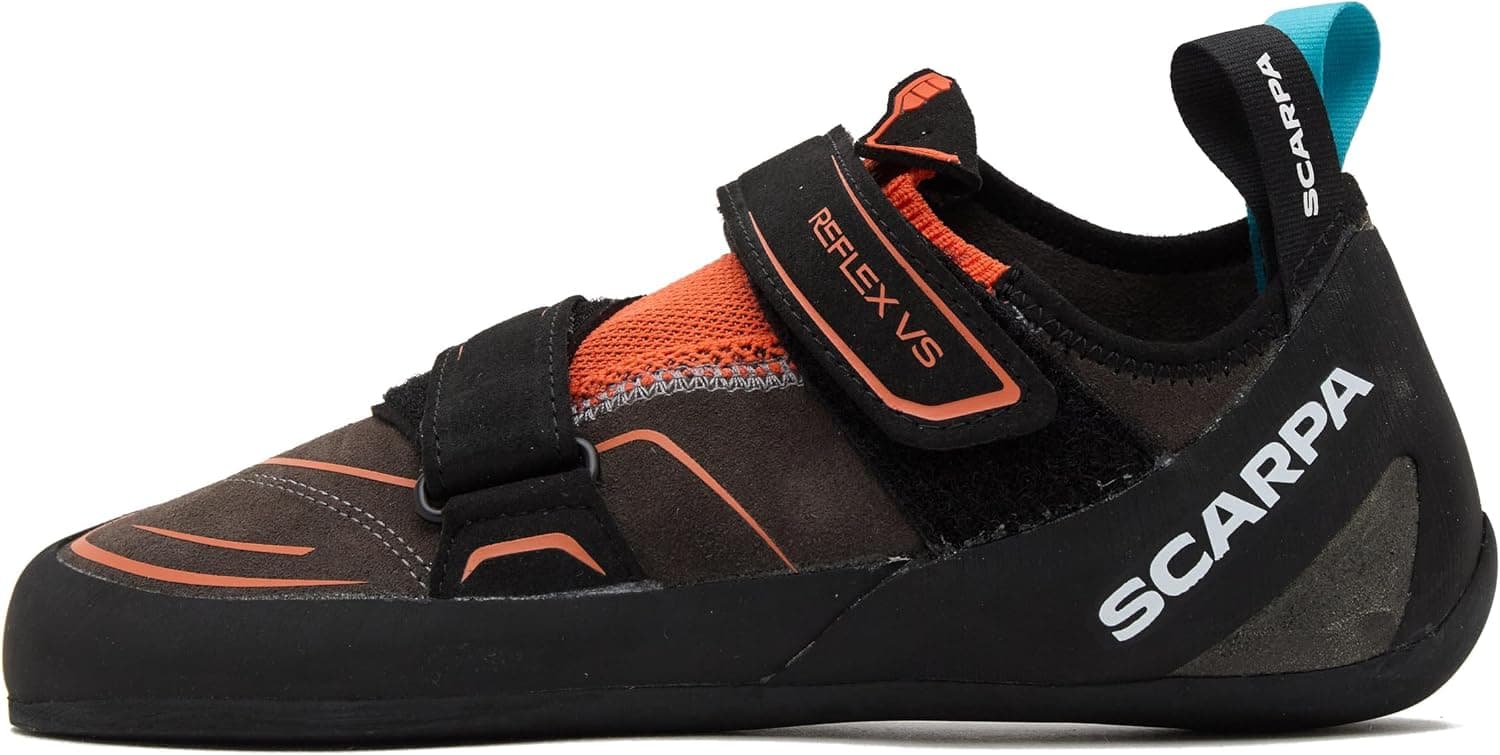
Climbing shoe fit is one of the most confusing topics for new climbers, partly because of persistent myths about extreme downsizing. The truth is simpler: a climbing shoe should fit snugly, with your toes touching the end and no dead space in the heel or under the arch, but it should not cause real pain. A shoe that hurts so much you take it off between climbs is not making you a better climber. A shoe that fits like a firm handshake, secure everywhere and painful nowhere, will let you actually feel and use your feet.
Forget your street shoe size as anything more than a starting point. Climbing shoes are sized differently by every brand, and even models within one brand vary. Your toes should reach the front of the shoe, lying flat or with a slight bend depending on the shoe's shape. Curl matters more in aggressive, downturned shoes built for steep climbing, while flat-lasted beginner shoes are meant to hold the toes close to flat. What you never want is a gap in front of your toes, which turns precise footwork into guesswork, or a heel that lifts when you stand on your toes.
When trying shoes, put them on and stand on something small if the shop or gym allows it, like the edge of a board or a foothold on a demo wall. Weight the toe and feel whether the shoe supports you or your foot slides inside it. Check for pressure points at the big toe knuckle, the pinky, and the Achilles. Some pressure is normal in a new shoe, but sharp localized pain rarely improves enough to be worth it. Try several models, because foot shapes vary: some brands run narrow, others wide, and volume through the instep differs dramatically.
Materials change how a fit evolves. Unlined leather shoes can stretch noticeably over their life, sometimes half a size or more, so they are often bought snugger with stretch in mind. Synthetic shoes hold their shape and stay roughly the size you bought. Lined leather sits in between. Ask what the shoe is made of and factor that in, especially if you are between sizes.
Beginners should generally buy comfortable, flat, moderately priced shoes. Your footwork in the first year will improve because of practice, not because of aggressive rubber and radical downturn. An uncomfortable expert shoe actively slows learning, since climbers in painful shoes place their feet reluctantly and take them off constantly. Save performance fits for later, when you know what kind of climbing you love and what your feet tolerate.
Finally, expect the fit conversation to continue over your climbing life. As your footwork improves, you will start feeling what a shoe does well and poorly, and your preferences will sharpen. Rental shoes, first pairs, and performance pairs all have their place. The consistent rule across all of them is the same: snug everywhere, painful nowhere, and precise enough that you trust your feet on the smallest hold you dare to stand on.