Ropes & Hardware
Ropes and hardware are what actually hold a fall. Dynamic ropes, locking carabiners, quickdraws and slings must suit the type of climbing you do and be inspected regularly.
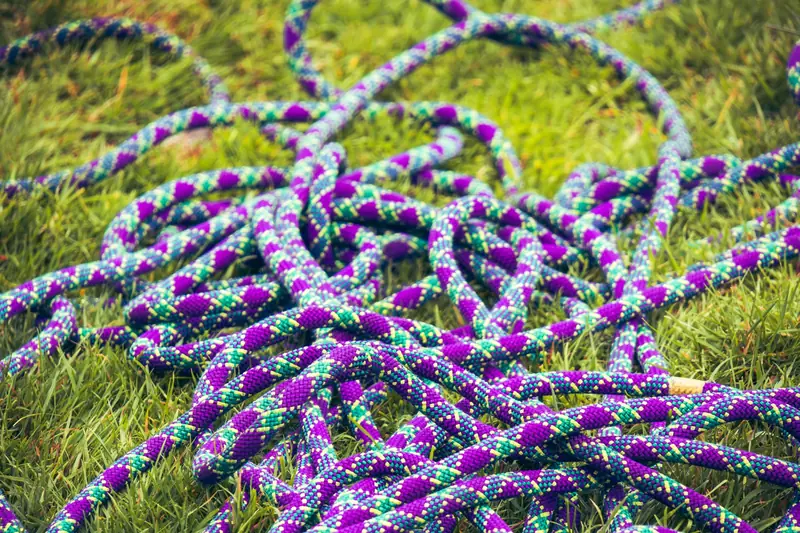
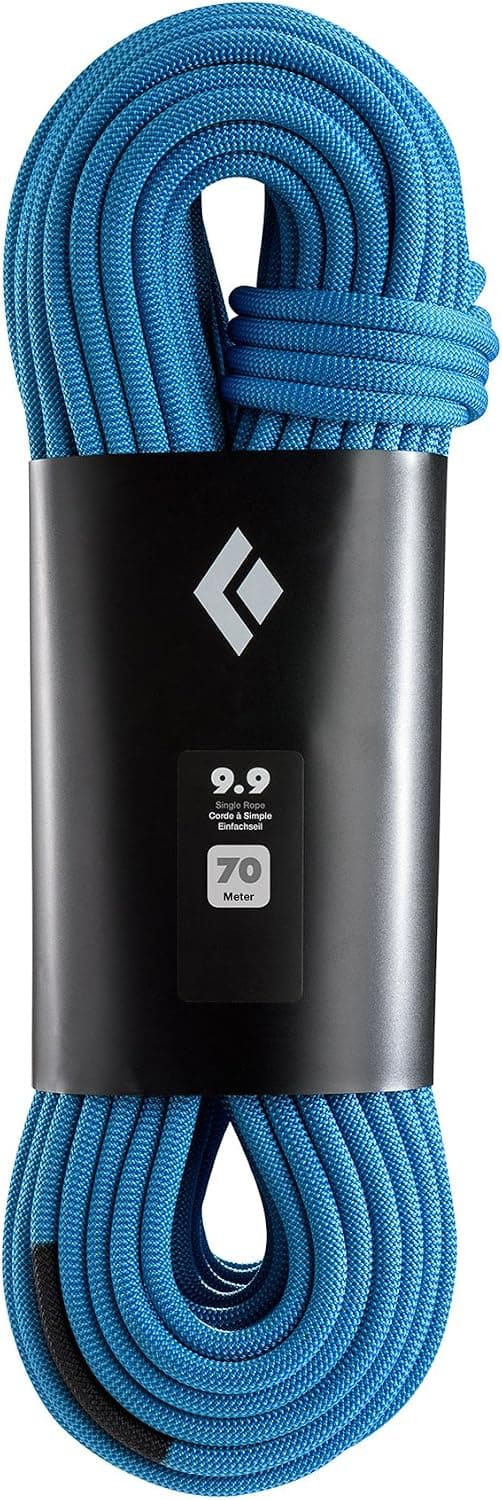
The Best Climbing Ropes
Find a dynamic rope you can trust on lead, from skinny redpoint cords to durable workhorses, with honest picks for sport, trad, and everyday cragging.
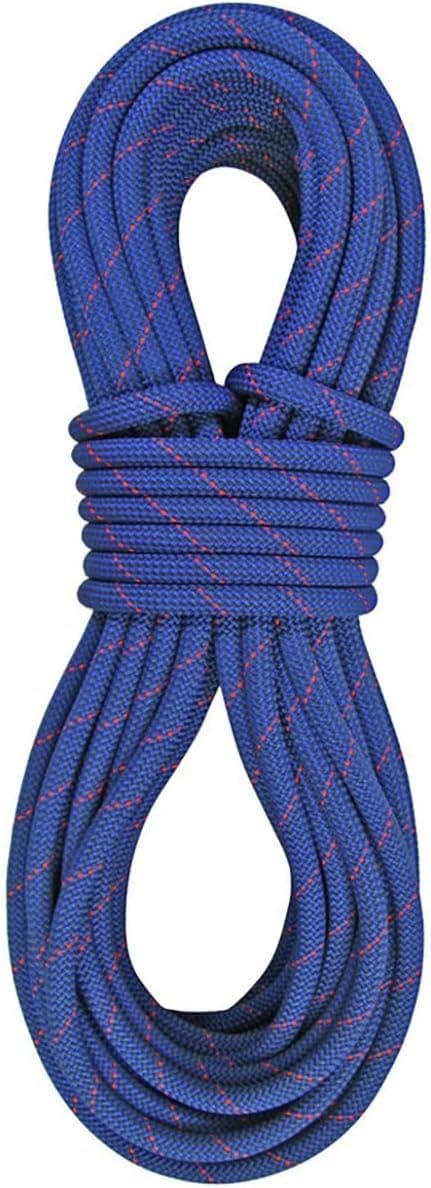
The Best Gym Climbing Ropes
Gym walls eat ropes fast. These durable, easy-handling picks survive endless toprope laps and lead sessions without the cost of a full-length cord.
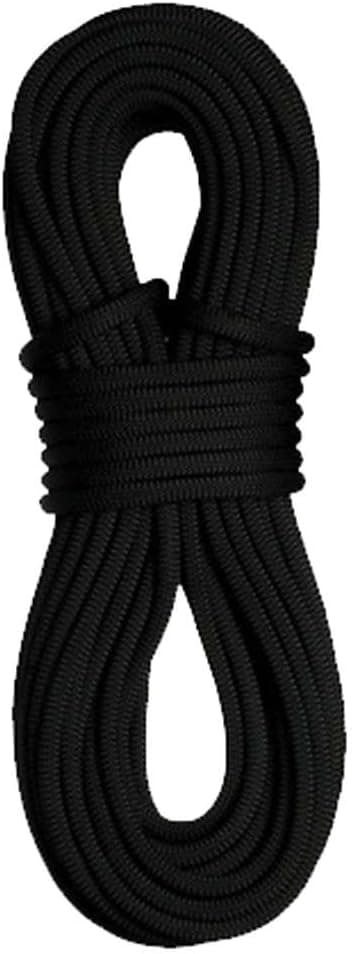
The Best Static Ropes
Low-stretch ropes for fixing lines, hauling, rappelling, and toprope solo, chosen for abrasion resistance, handling, and compatibility with your rigging.
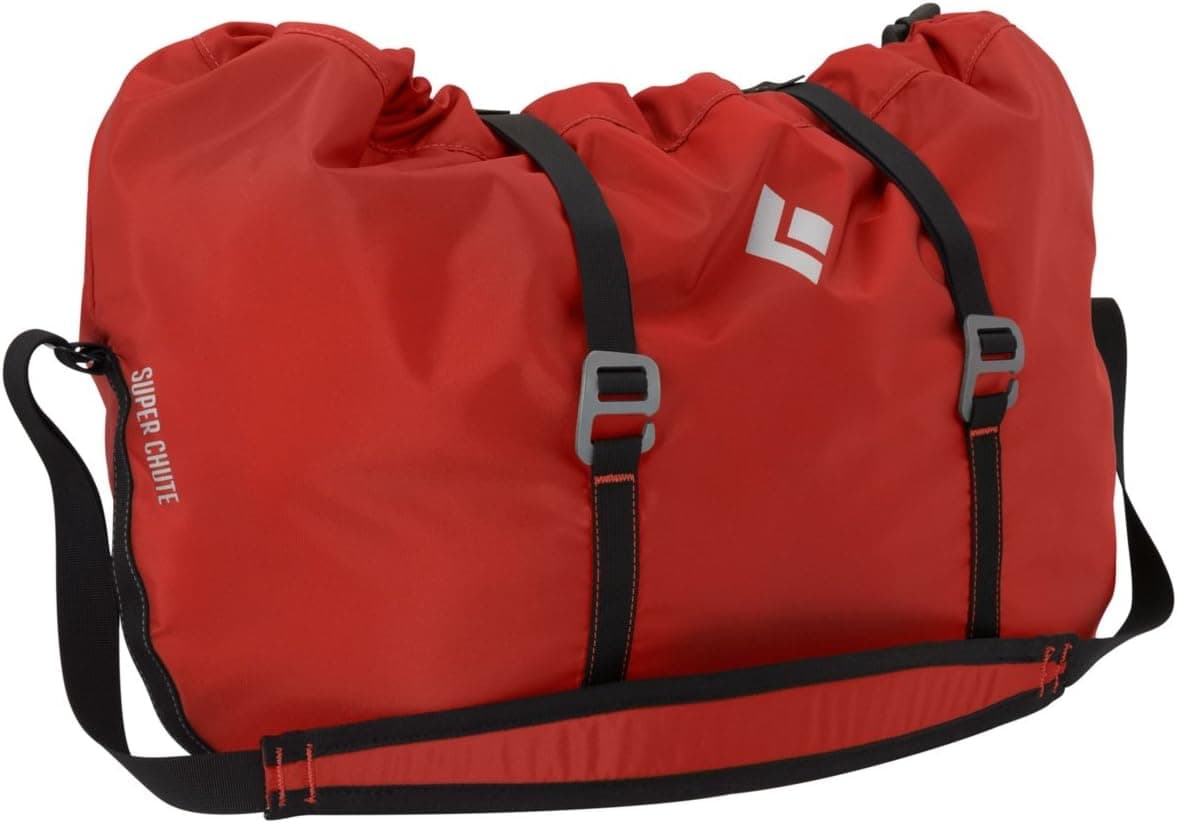
The Best Rope Bags
Keep dirt out of your rope and your belay device. These rope bags and tarps make packing faster, protect your cord, and extend its working life.
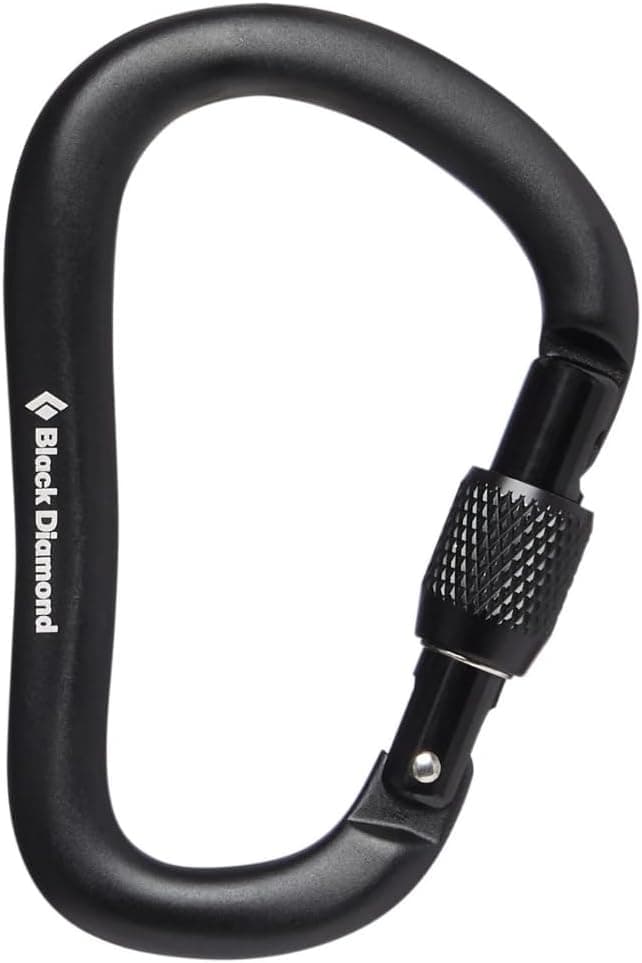
The Best Locking Carabiners
From belay-ready HMS lockers to compact anchor biners, these locking carabiners balance gate security, easy one-hand operation, and useful weight.

The Best Quickdraws
Crisp clipping, secure gates, and dogbones that last. The best quickdraws for sport projecting, trad extensions, and building your first full rack.
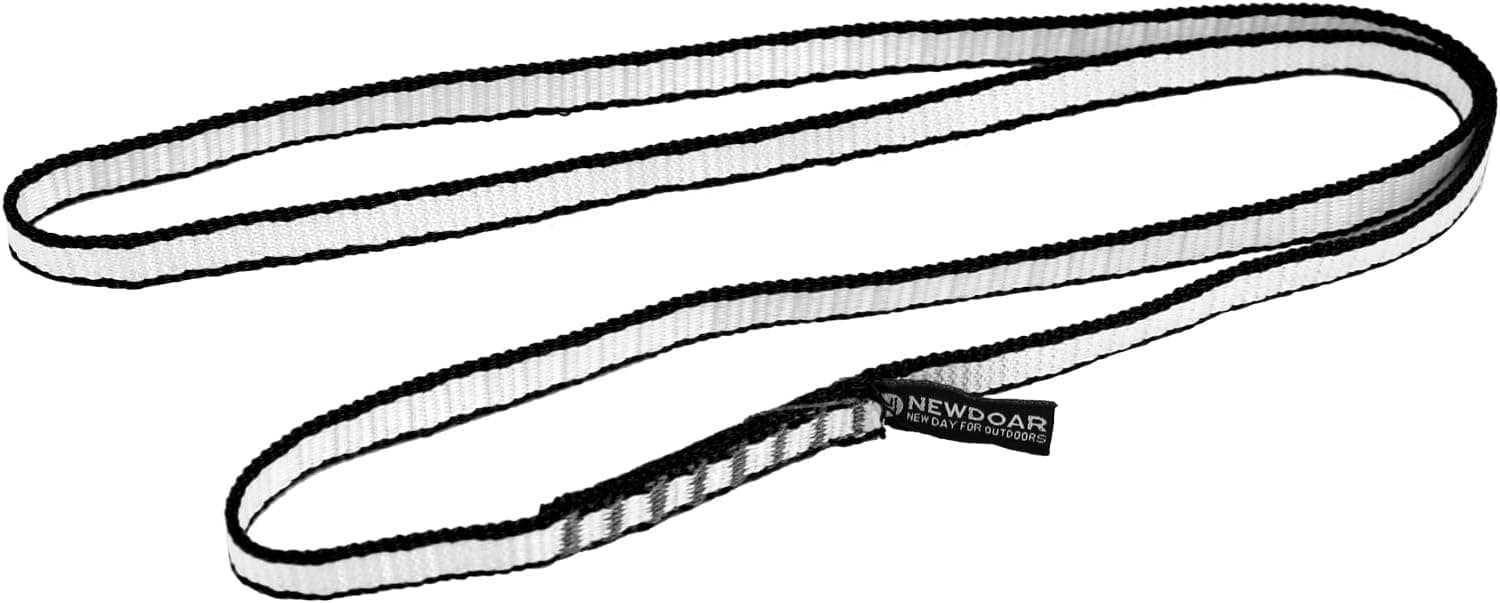
The Best Climbing Slings
Nylon and Dyneema slings for anchors, extensions, and alpine draws, compared on strength, bulk, handling, and where each material actually belongs.
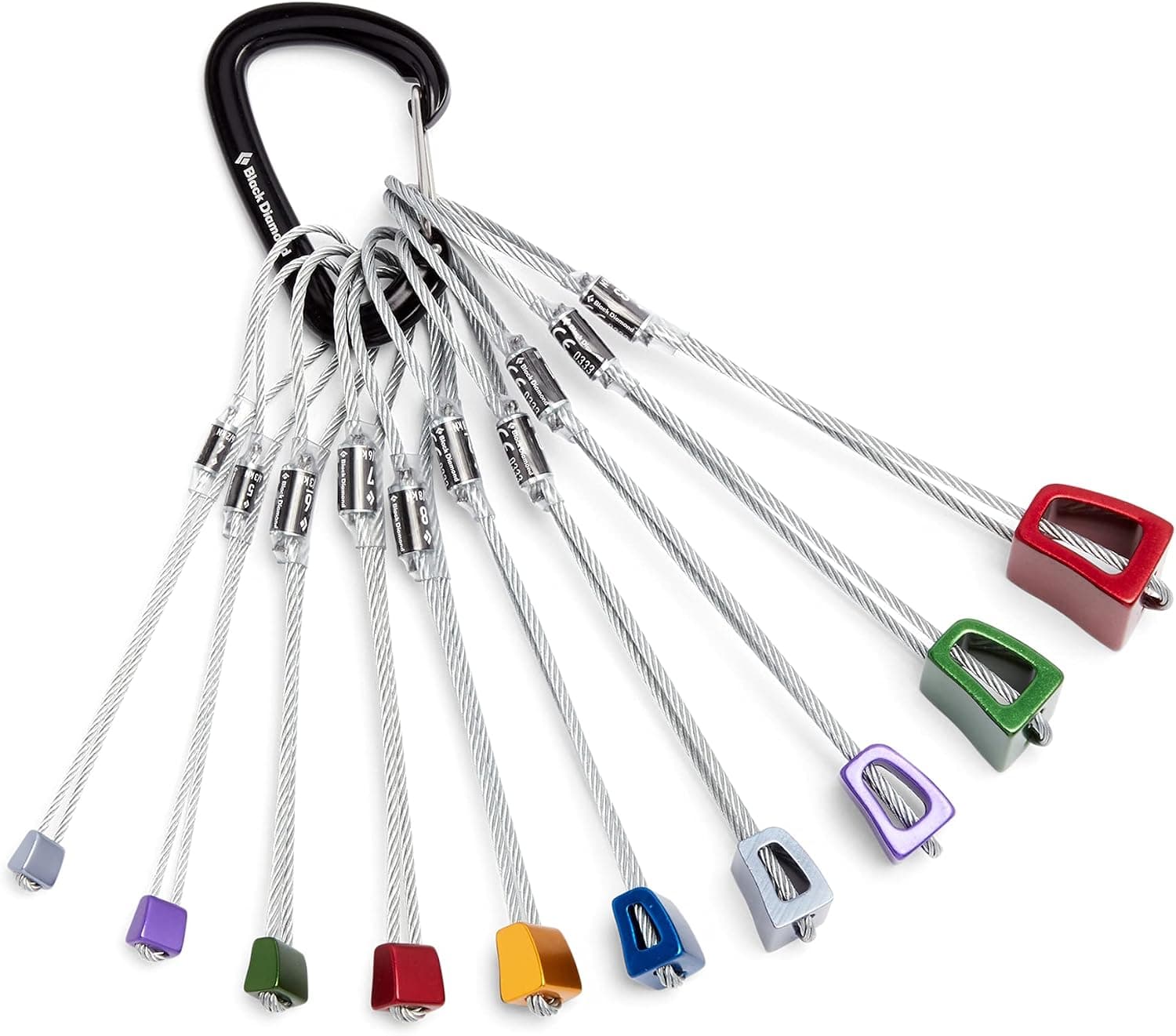
The Best Climbing Nuts and Stoppers
Passive protection that still earns its rack space. The best nuts, stoppers, and offsets for new trad leaders, pin scars, and thin constrictions.
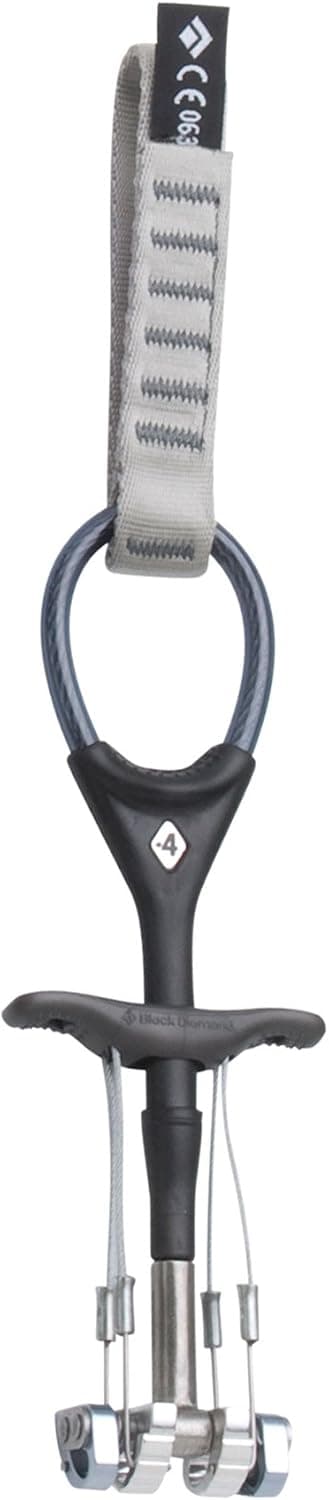
The Best Cam Sets
Camming devices are the heart of a trad rack. We compare range, weight, walking resistance, and value to help you build or expand your set wisely.

The Best Rope Protectors
Sharp edges destroy ropes quietly. These rope protectors shield fixed lines and toprope rigs from abrasion so your cord survives more seasons.
How to choose
- Use dynamic ropes for all lead and top-rope climbing, never static rope.
- Choose rope length to match local routes, commonly 60 or 70 metres.
- Use locking carabiners for belay and anchor connections.
- Inspect ropes and slings for fuzzing, core damage and glazing.
Common questions
What rope length do I need for sport climbing?
A 60 m rope covers many routes, but 70 m is increasingly common. Check your local guidebook and always tie a stopper knot in the end.
When should a climbing rope be retired?
Retire it after a severe fall, visible core damage, exposure to chemicals or when it feels stiff and flat in places. Regular users often replace ropes every few years.