How to Get Rid of Climbing Shoe Odour
Published How we research
Climbing shoes are worn tight, usually without socks, and often stuffed into a bag straight after a sweaty session. That combination creates the perfect environment for odour-causing bacteria. Smelly shoes are unpleasant, but aggressive cleaning can damage rubber, glue and leather. The best approach is to dry shoes properly after every session and clean them gently when needed.
Products from this article
The highest-scoring picks from the buying guides this article links to. Scores are our editorial assessment, not customer ratings.
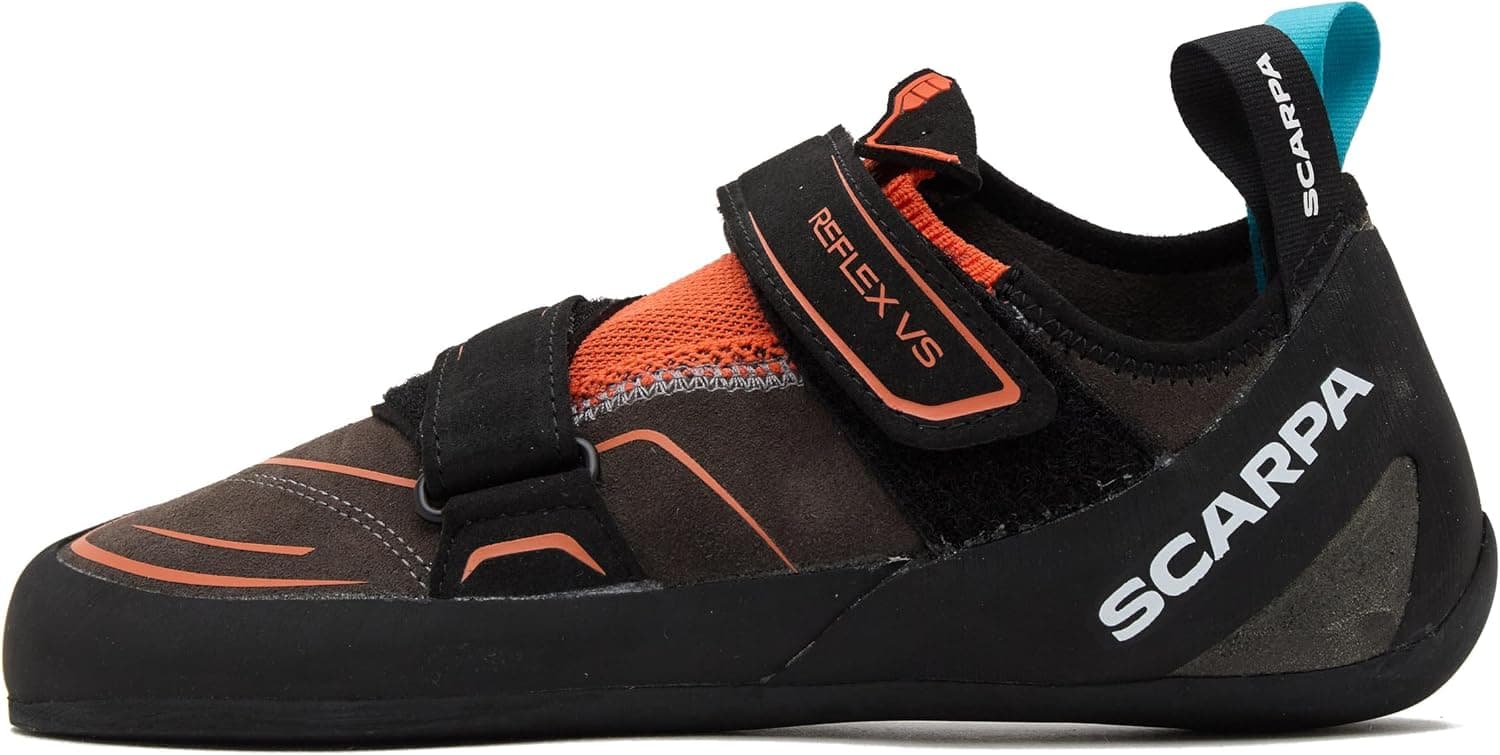
+ Unisex sizing opens up more options for a range of foot shapes
From our guide: Best Beginner Climbing Shoes
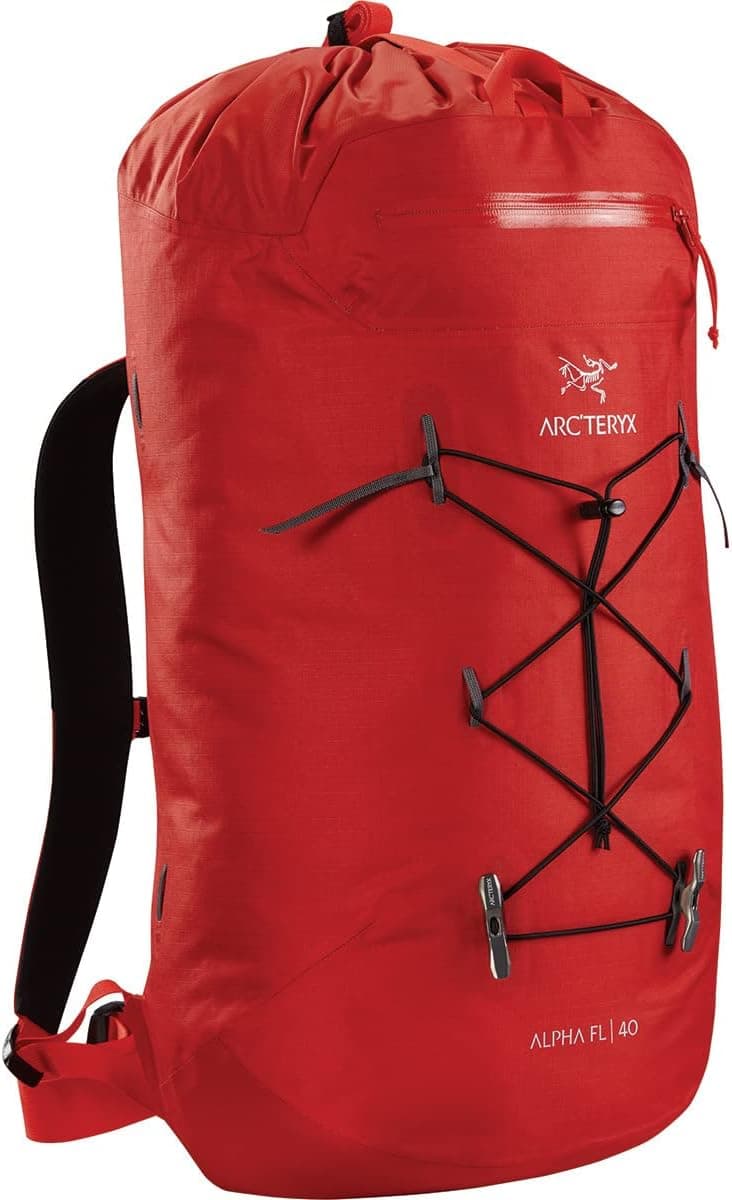
+ 40L capacity fits a rack, rope and layers for alpine days
From our guide: Best Climbing Backpacks
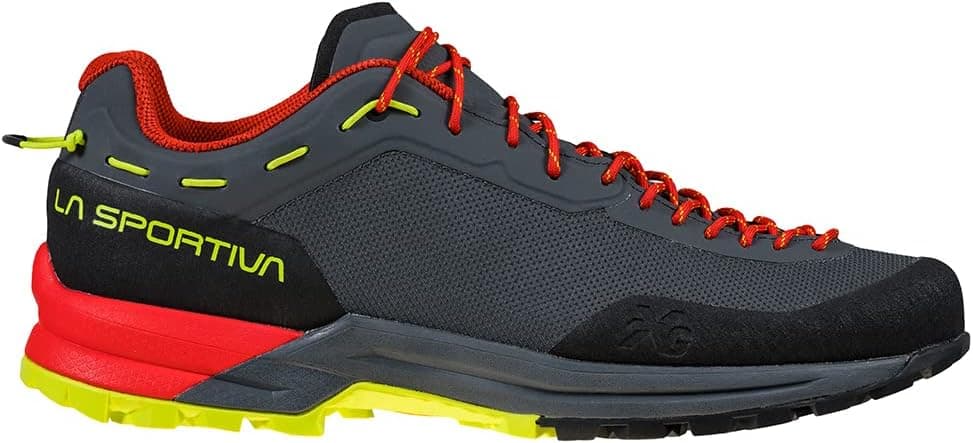
+ Climbing-zone sticky toe helps on low fifth-class scrambles
From our guide: Best Approach Shoes
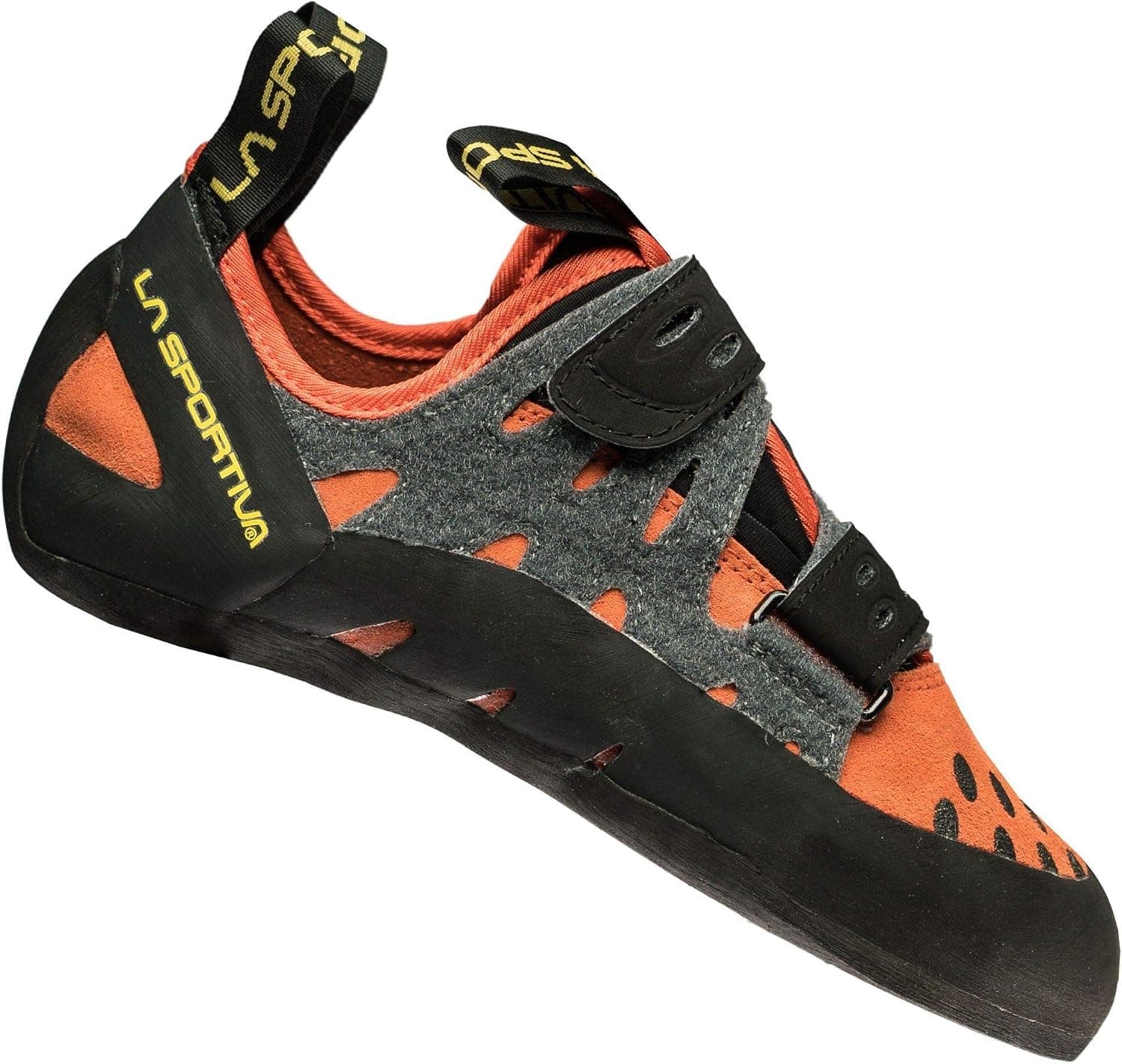
+ Flat, relaxed last keeps toes comfortable through long first sessions at the gym
From our guide: Best Beginner Climbing Shoes
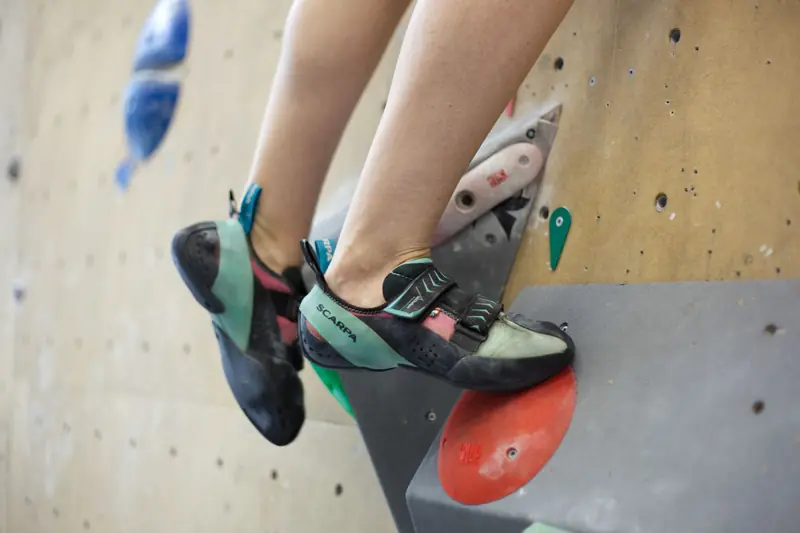
Why climbing shoes smell
Sweat itself does not smell much, but bacteria feed on sweat and dead skin cells and release odorous compounds. The warm, damp interior of a tight shoe with no ventilation gives bacteria ideal conditions.
Synthetic uppers usually trap more odour than unlined leather shoes, which absorb some moisture. Wearing shoes for long sessions without taking them off between climbs also increases sweat build-up.
Dry shoes after every session
The most important habit is drying shoes fully. Take them out of your bag as soon as you get home, loosen the closures and open them wide in a well-ventilated place.
Avoid radiators, heaters, hair dryers and hot cars, which can soften glue and warp rubber and leather. A mesh bag or clipping shoes to the outside of a pack allows airflow while travelling.
Take shoes off between climbs
Slipping shoes off between routes or boulder attempts lets feet and shoes air out, reduces sweat and makes tight shoes more comfortable. It also helps your feet recover.
Wipe feet with a small towel before putting shoes back on. Washing feet before climbing reduces bacteria and dirt going into the shoes.
Clean shoes gently
When odour builds, hand wash shoes in lukewarm water with a small amount of mild soap. Scrub the interior gently with a soft brush and rinse thoroughly.
Do not use washing machines or dryers, which can damage shoes. Stuff shoes with newspaper to absorb water and let them dry naturally, replacing the paper as it gets damp.
Use deodorising products
Shoe deodorising inserts filled with activated charcoal or cedar absorb moisture and odour between sessions. Replace or recharge them according to instructions.
Antibacterial sprays designed for shoes can help, but test them first and let shoes dry completely afterward. Avoid putting baking soda directly into shoes, since fine powder can be hard to remove from linings.
Consider socks or liners for gym use
Some climbers wear thin socks with rental or gym shoes to reduce odour and hygiene concerns. Socks change the fit slightly, so they work best with shoes sized to accommodate them.
For performance shoes, many climbers prefer bare feet for sensitivity. Rotating between two pairs gives each pair more time to dry.
Popular right now
- The Best Climbing Nuts and StoppersBuying guide
- Best Belay DevicesBuying guide
- Best Headlamps for ClimbersBuying guide
- Bouldering vs Rope ClimbingArticle
- Climbing Photography BasicsArticle
- The Best Climbing SalvesBuying guide
Based on the last 28 days of search and visitor data.