How to Get Better at Climbing: Technique, Training and Smart Habits
Published How we research
Plenty of climbers hit a plateau after the first few months, when easy gains fade and the same grade keeps beating them. The usual reaction is to pull harder, but most progress comes from moving better, climbing with a plan and recovering well. Strength matters, and it helps most when technique is already in place. Here are the habits that experienced coaches commonly recommend, how to practice them, and how to avoid the overuse injuries that follow too much too soon.
Products from this article
The highest-scoring picks from the buying guides this article links to. Scores are our editorial assessment, not customer ratings.
As an Amazon Associate we earn from qualifying purchases. This does not change our picks. Affiliate disclosure
New to Prime? Try Prime free for fast, free shipping on eligible items.
+ Rock Prodigy design is based on popular training methods
From our guide: Best Hangboards for Home Finger Training
+ Lays out season-long training phases instead of random workouts
From our guide: Best Home Climbing Training Gear
+ Guide mode lets you belay a follower directly off the anchor
From our guide: Best Beginner Climbing Gear
+ No-drill base avoids damaging walls or door frames
From our guide: Best Hangboards for Home Finger Training
Technique before strength
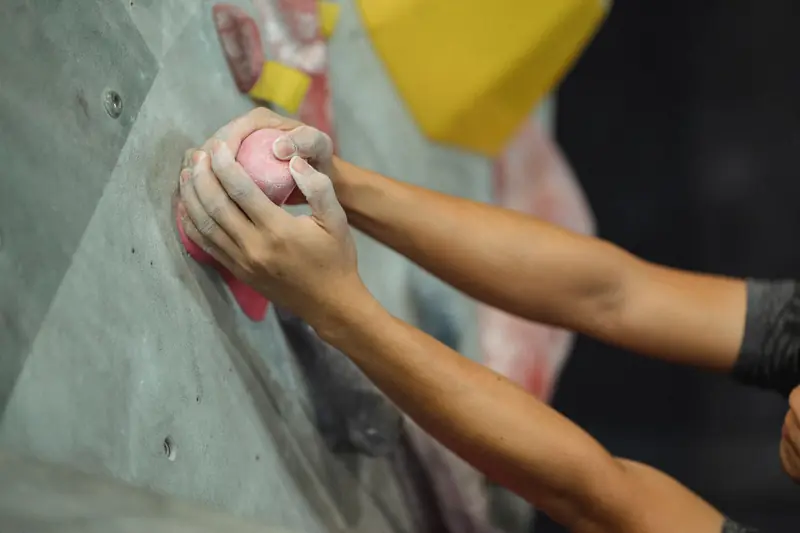
Good climbing is mostly about using your legs, hips and body position so your arms do less work. Straight arms, hips close to the wall and deliberate foot placement save energy. Beginners often cling with bent arms, which tires the forearms quickly.
Practice on easy routes and focus on one skill at a time, such as silent feet, straight arms or flagging. Filming a climb or asking a coach to watch can show habits that you do not notice. A small change in technique can feel like a gain in strength.
A useful drill is to repeat an easy route and try to make every foot placement silent and exact. If your feet are noisy, you are probably rushing, and slowing down often reveals better positions.
Read the route before you leave the ground
Take a minute to look at a route or problem before you climb. Find the rests, identify the hardest section and plan your hand and foot sequence. Climbers who look first tend to waste less energy and make fewer mistakes midway.
After a fall or a finished climb, think back to what worked and what did not. Learning to read routes is a skill you build over time, and watching other climbers try the same problem teaches a lot too.
Climb often, and vary what you climb
Time on the wall matters. Many coaches suggest regular sessions with rest days between, and a mix of styles such as slab, vertical, overhang, crimps and slopers. Variety builds a broader skill set, and it exposes weaknesses you might avoid otherwise.
Try routes that feel awkward for you. If you favor steep climbing, spend time on a slab, and the other way around. Moving outside your comfort zone is where a lot of progress happens.
Some climbers also schedule a lighter day where they climb many easy routes with perfect technique, which builds movement habits without taxing the fingers. Mileage on easier terrain is one of the least risky ways to improve.
Mental game and fear
Fear of falling holds many climbers back more than a lack of strength. Practicing safe falls at a gym, with a belayer you trust, can build confidence step by step. Start with short drops on an easy wall and work up as your comfort grows.
Breathing and a calm routine before a hard move help too. If you feel your arms tightening or your thoughts racing, pause, shake out and reset. Many coaches teach simple pre climb routines to keep nerves in check.
Rest and recovery count
Muscles and tendons adapt during rest, not during hard sessions. Tendons and pulleys adapt more slowly than muscles, which is why finger injuries are common when people ramp up too quickly. Build rest days into your week and sleep well.
Warm up before hard attempts, and stop when your form falls apart. If you feel sharp or lasting pain in a finger, elbow or shoulder, rest and consult a doctor or physical therapist, as this article cannot give medical advice.
Add structured strength work with care
Once your technique is decent, strength training can help, including pull ups, core exercises and antagonist work such as push ups. Fingerboard training can be useful for some climbers, but it carries injury risk, especially for beginners, so wait until you have a solid base and follow guidance from a coach.
Keep sessions short and the load moderate at first. Progress slowly, and stop if something hurts. Many climbers find that general fitness and mobility give more benefit than heavy finger work in the early years.
Gear that helps, and gear that does not
Shoes that fit well make footwork easier, and a good chalk routine helps your grip on sweaty days. Beyond these basics, most gear will not make you climb better, so be wary of buying your way out of a plateau. Spend time on the wall first.
If you add home training tools, choose ones that match your level and follow the manufacturer's instructions for safe use. A pull up bar, resistance bands and a small hangboard are common choices, and a coach can help you decide how to use them.
Set goals and track your sessions
A simple log of routes, grades, how they felt and what you worked on helps you see trends. Set goals that are specific, such as completing three routes of a certain grade or learning a new technique, and review them every month or two.
Be patient. Progress is rarely linear, and plateaus are normal. A new grade can take months, and the improvements you make in technique, fitness and confidence along the way are valuable in themselves.
Notes about what you ate, how you slept and how your skin felt can also show patterns. If sessions go badly after poor sleep, you have a reason to protect your rest, and the log makes that visible.
Climb with others and ask for feedback
Climbing with stronger or more experienced partners can speed learning. They can share beta, spot habits and push you gently. A coach or a skills clinic can give structured feedback, which many climbers find worth the time.
Enjoy the process, too. The social side of climbing keeps people coming back, and a relaxed attitude makes it easier to try new moves and accept falls as part of learning.
Popular right now
- The Best Climbing Nuts and StoppersBuying guide
- Best Belay DevicesBuying guide
- Best Headlamps for ClimbersBuying guide
- Bouldering vs Rope ClimbingArticle
- Climbing Photography BasicsArticle
- The Best Climbing SalvesBuying guide
Based on the last 28 days of search and visitor data.