BLACK DIAMOND ATC-Guide Belay Device for Trad and Multi-Pitch Review (2026)
Updated September 14, 2026 · Research-based review
Our verdict
The ATC-Guide suits trad and multi-pitch climbers who want one aluminum tube device for belaying a leader, bringing up one or two seconds in guide mode, and rappelling on double ropes. The main strength is proven, widely taught versatility. The trade-off is no assisted braking, so brake hand technique still carries the load.
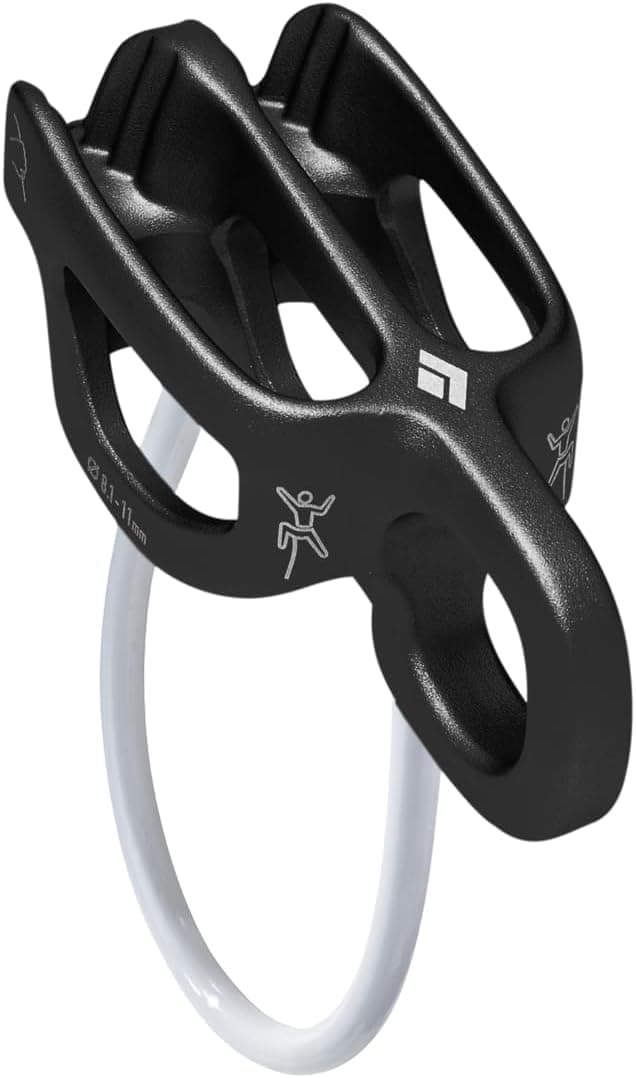
Black Diamond's ATC-Guide, a tube belay device with guide mode for trad leaders and multi-pitch climbers.
Price range: See on Amazon
What we liked
- + Guide mode lets you belay a follower directly off the anchor
- + Works with double and twin ropes for long rappels on multi-pitch routes
- + Proven design taught in countless trad and multi-pitch courses
Trade-offs
- - No assisted braking, so careful brake hand technique is essential
- - Guide mode takes practice to set up and release under load
Who this device is built for
The ATC-Guide is aimed at climbers who lead traditional and multi-pitch routes and need one tool that covers the whole day. It belays a leader on a single strand, belays a follower directly off the anchor in guide mode, and rappels on two strands for the walk-off or descent. That combination is why it shows up in most trad and multi-pitch instruction courses as the default teaching device. It is less suited to climbers who only ever belay a single top-roped partner in a gym, where an assisted braking device gives more of a safety margin for a less experienced belayer. For anyone building a first traditional rack, it is a sensible, unglamorous choice that does the job without extra moving parts to learn.
The design in plain terms
Black Diamond builds the current ATC-Guide from aluminum and lists it at about 80 grams, with windows machined through the body to save weight over older versions. It accepts ropes from roughly 8.1 to 11 millimeters, covering most single ropes climbers use for trad and multi-pitch work. Two slots offer different friction modes so you can choose more or less braking force when lowering a partner or rappelling, which matters on steep or overhanging terrain. Guide mode uses an oval anchor hole: you clip the brake strand through a small locking carabiner racked on the anchor, and the shape of that hole is meant to make feeding and pulling rope through it smoother than on older tube devices. There is no cam or spring assisting the brake, so it behaves like a traditional tube device at all times.
Setting it up and keeping it working
Threading the ATC-Guide for a normal lead belay is the same as any tube device: rope goes through a slot, a carabiner locks it to your belay loop. Guide mode takes an extra step, clipping the device to the anchor's master point with the small carabiner through the auto-block hole, and releasing it smoothly under a loaded follower takes real practice before it feels natural. Black Diamond backs the device with a two year warranty and publishes instructions as a downloadable PDF, which is worth reading before first use. Day to day care is simple: rinse off dirt and salt, check the metal for sharp grooves worn in by repeated rappels, and retire it if the rope-bearing surfaces develop a noticeable edge, since a worn channel changes how much friction the device actually delivers.
How it compares with the Reverso and the Pivot
Against Petzl's Reverso 4, the ATC-Guide is heavier but built the same way, as an aluminum guide-mode tube; the Reverso trades some of that weight for the ability to handle thinner half and twin ropes, which alpine climbers rappelling on skinny cord will appreciate more than trad cragging. Against DMM's Pivot, which uses a pivoting frame to keep friction more consistent as the device wears, the ATC-Guide relies on a fixed body and needs a bit more attention to friction mode choice on long lowers. What the ATC-Guide offers over both is sheer familiarity: instructors, guides and partners have used this shape for years, so borrowed gear and shared systems tend to just work.
Verdict and who should look elsewhere
Buy the ATC-Guide if you are building out a trad or multi-pitch rack and want a single, durable device that belays, seconds and rappels without batteries, cams or extra maintenance. It rewards climbers who already have solid belay technique and want a tool that gets out of the way. If you mainly climb in a gym, sport climb at the crag, or are teaching a new belayer who benefits from extra backup, an assisted braking option such as the Petzl GRIGRI+ or the Edelrid Mega Jul adds a margin the ATC-Guide simply does not offer, since none of its friction modes actively grip the rope on their own.
Frequently asked questions
Does the Black Diamond ATC-Guide have assisted braking?
No. It is a manual tube-style device, so the belayer's brake hand does all the braking work, unlike a GRIGRI or Mega Jul.
What rope diameters work with the ATC-Guide?
The current version is rated for ropes from about 8.1 to 11 millimeters, which covers most single ropes used for trad and multi-pitch climbing.
Can the ATC-Guide belay two followers at once?
Yes. Guide mode lets you belay one or two seconding climbers directly off the anchor at the same time.
Is the ATC-Guide good for a first trad rack?
Yes, it is one of the most commonly taught devices in trad and multi-pitch courses because one tool covers leading, seconding and rappelling.
Prices change often, so check the current price and availability on Amazon.
Check price on AmazonClimbing Nest may earn a commission from the link above.