Double Fisherman's Knot for Climbers: How to Tie It and When to Use It
Published How we research
The double fisherman's knot is a joining knot made from two interlocked stopper knots, one tied on each rope end around the other rope. When you pull the standing ropes apart, the two knots slide together and lock. Climbers use it to close loops of accessory cord for prusiks, to build slings from cord, and in some contexts to join two ropes. It is compact and strong, but it can be very hard to untie after heavy loading, and joining two climbing ropes for a rappel involves other considerations. This article explains how the knot is built, what to inspect, where it fits and where other knots may be better. As with all rope work, learn it from an instructor.
Products from this article
The highest-scoring picks from the buying guides this article links to. Scores are our editorial assessment, not customer ratings.
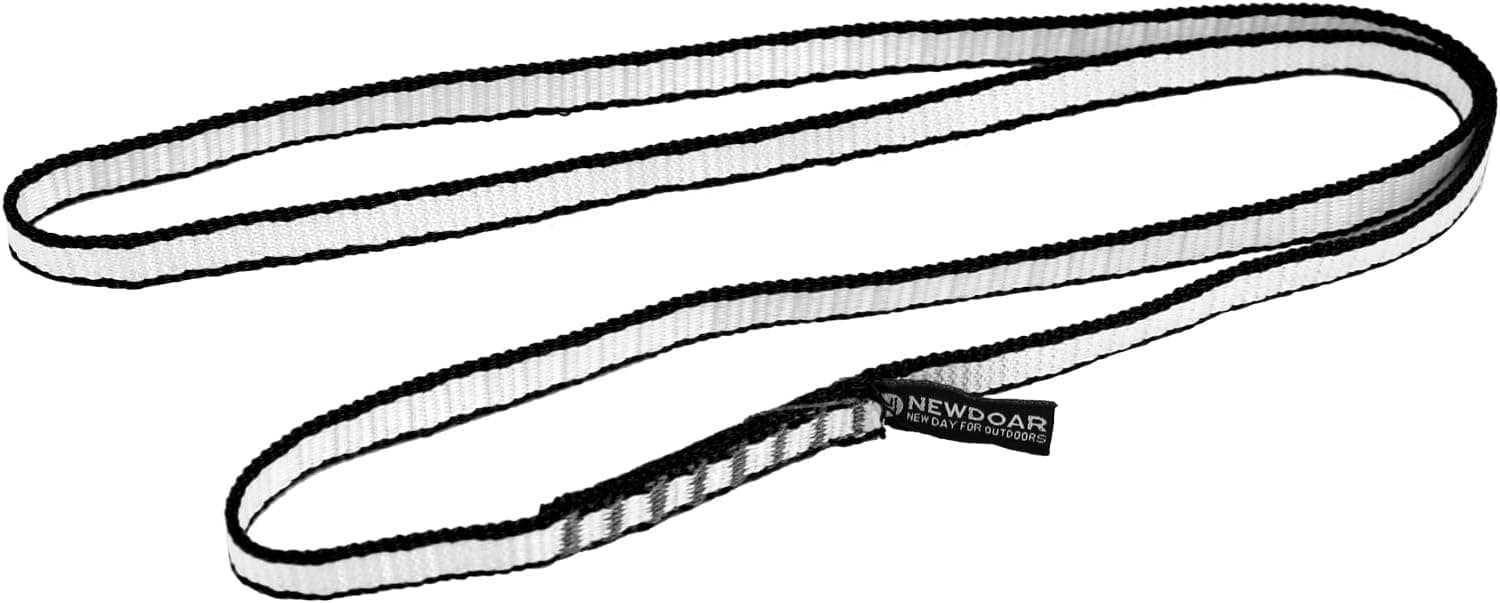
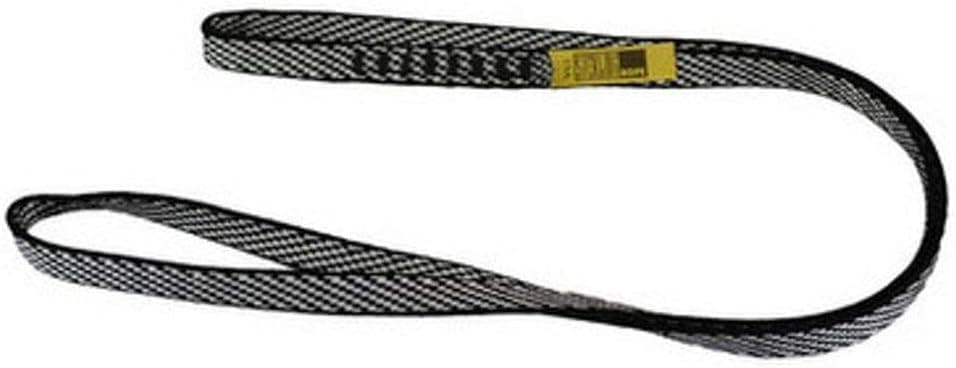
+ Dyneema and nylon blend webbing in a slim 12 mm width, described as lighter and more supple than traditional nylon runners
From our guide: The Best Climbing Slings
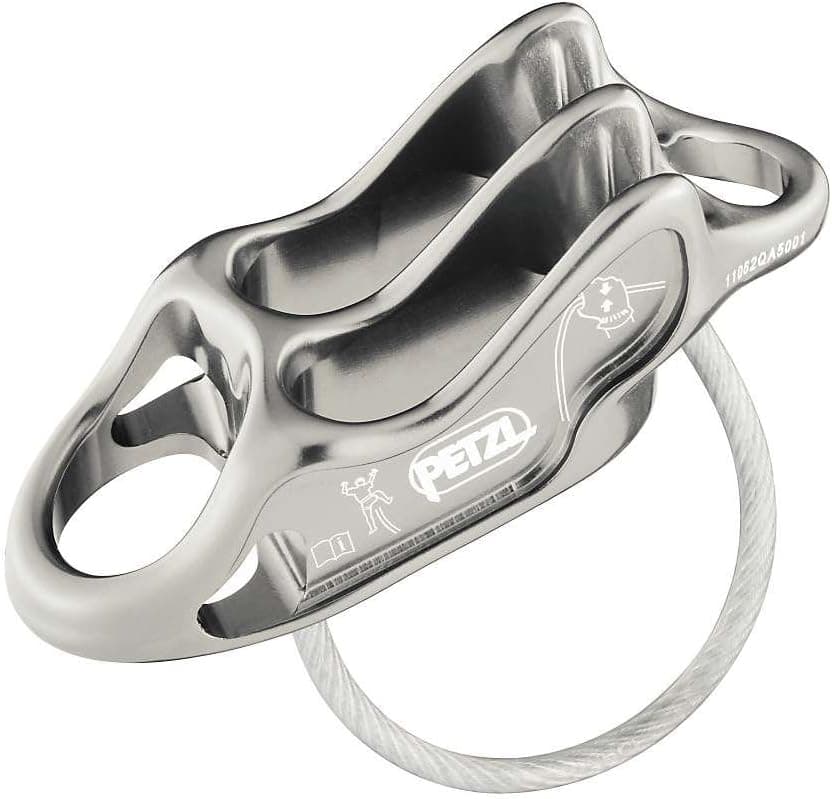
+ Doubles as a belay and rappel device, saving weight on long routes
From our guide: Best Rappel Devices
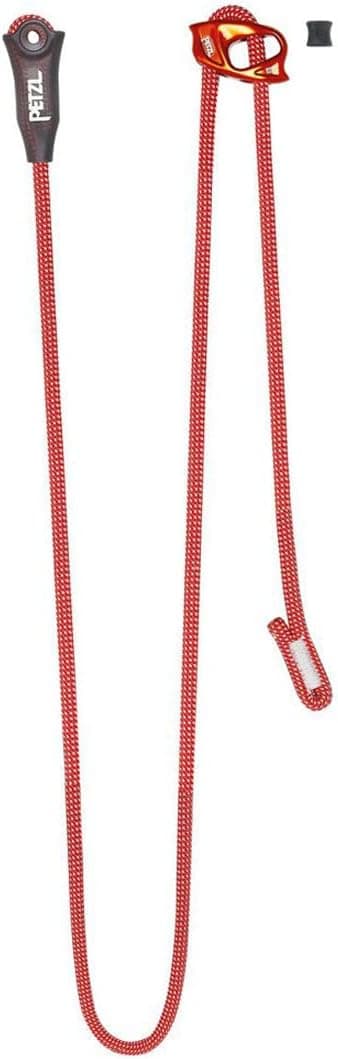
+ Two adjustable arms let you clip two points while moving between anchors
From our guide: Best Personal Anchor Systems
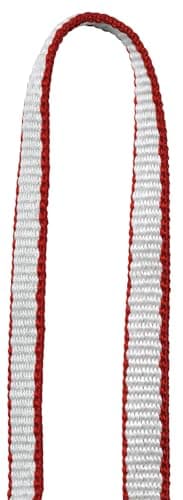
+ 12mm Dyneema is light yet easier to handle than ultra-thin slings
From our guide: The Best Climbing Slings
What the knot is
A double fisherman's knot is formed by tying a double overhand wrap (sometimes called a double barrel) with each rope end around the other rope. Each wrap is a small stopper knot, and the two stoppers jam against each other when the ropes are pulled in opposite directions. The result is a symmetrical, compact knot that holds well on cord and rope.
Its strength comes from the way the two halves lock together. That also explains why it tightens down hard after loading and can be a struggle to undo. When you need a loop that will stay closed through lots of use, that is a feature. When you need a knot you can untie easily, it is a drawback.
How to tie it
Lay the two rope ends side by side, pointing in opposite directions with a generous overlap. With one end, wrap it twice around the other rope and tuck the end back through the two wraps, forming a double overhand knot. Pull it snug. Do the same with the other end, wrapping around the first rope, again with two wraps and a tuck.
Pull on the two standing ropes so that the two knots slide toward each other and meet. Dress them so the wraps are neat and parallel, with no crossings. The finished knot should look like two barrels side by side, with tails sticking out of each end. Leave tails long enough to inspect, typically a few inches or more depending on the cord.
Where climbers use it
The most common use is tying cord into a loop for friction hitches like a prusik or an autoblock. A closed loop of cord with a neat double fisherman's knot is a standard piece of kit for rappelling and self-rescue. Climbers also use it to make cordelette-style anchor slings from accessory cord.
Some climbers also use it to join two ropes of similar diameter for a long rappel, since it is compact and less likely to get stuck than some bulkier knots. Others prefer an offset knot like the flat overhand, for the same job. Which knot suits you depends on training and local convention, so follow the guidance of your instructor.
Strength and limits
The knot reduces the strength of a rope or cord, as all knots do. Do not assume the full rated strength of the cord applies after a knot is tied. Manufacturers and testing bodies publish information about how knots affect rope strength, and your instructor can point you to current guidance.
Another limit is wear. A double fisherman's knot in a loop of cord that is used repeatedly for friction hitches will glaze and stiffen. Inspect the knot for fuzzing, hard spots, discoloration and cuts, and retire any loop that looks suspect. Cord is cheap compared with the consequences of a failure.
Inspecting and dressing
After tying, check that each half of the knot has the correct number of wraps, that the wraps lie side by side without crossing, and that the tails are on the outside of the knot. Look at both sides. A mirror-image of the knot on the back is a sign you tied it correctly.
Cinch the knot hard before using it, tugging on all four strands. A knot that shifts or creeps when tightened was not dressed properly. Retie it. A knot that looks neat on the table might behave differently once it is loaded, so test it at the ground before trusting it overhead.
Alternatives and practice
There are other ways to close a loop of cord, including a flat overhand bend, a triple fisherman's knot for slippery or thin cord, and sewn loops sold by gear makers. Each has trade-offs, mostly about size, strength and how easy the knot is to inspect or untie. Your course material will often state which to use.
Practice the knot on a length of waste cord until you can produce it consistently. Then ask an instructor or experienced partner to check it. Learning rope work in person, with gear that matches what you will use, is the dependable route.
Care, inspection and retirement
Any knot that has been loaded repeatedly deserves a close look. The double fisherman's knot can become very tight and difficult to inspect after hard use, and the cord inside it may be crushed or glazed. If you cannot see all the wraps clearly, or the knot will not loosen at all, consider cutting the loop and replacing it with a fresh one.
Store cord loops out of sun and away from chemicals such as fuel, solvents or battery acid, which can damage nylon. Note when you bought or tied each loop, and replace them on a regular schedule or whenever they look worn. Your cord manufacturer's guidance is the best source on service life.
Popular right now
- The Best Climbing Nuts and StoppersBuying guide
- Best Belay DevicesBuying guide
- Best Headlamps for ClimbersBuying guide
- Bouldering vs Rope ClimbingArticle
- Climbing Photography BasicsArticle
- The Best Climbing SalvesBuying guide
Based on the last 28 days of search and visitor data.