Sterling 12mm Dyneema Climbing Sling Sewn Runner Review (2026)
Updated September 20, 2026 · Research-based review
Our verdict
Sterling's 12mm Dyneema sewn runner is a light, strong sling made in the USA, well suited to slinging horns, trees and extending trad gear. This specific listing is a short 10 inch runner, so buyers should confirm the length matches their intended use before treating it as a full-length sling.
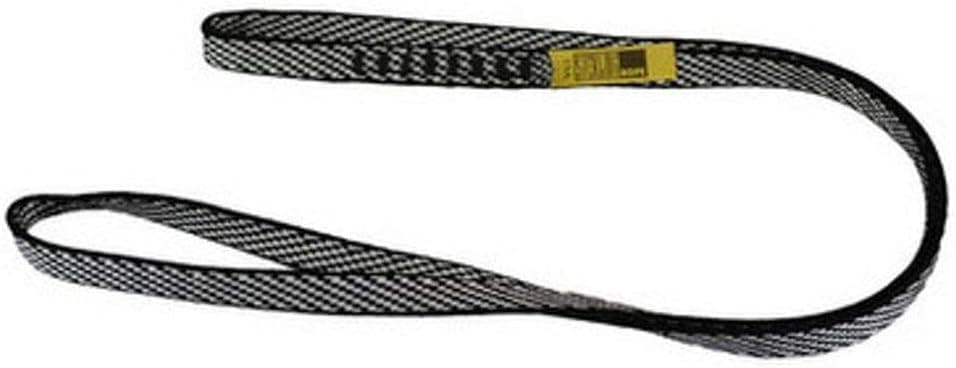
Sterling's 12mm Dyneema sewn runner, a light and strong sling for trad racks, anchors and alpine climbing.
Price range: See on Amazon
What we liked
- + 12mm Dyneema is light yet easier to handle than ultra-thin slings
- + Sterling is a trusted US maker of ropes and slings
- + Great for slinging horns, trees and extending cams
Trade-offs
- - Check the sling length suits your rack before buying
- - Dyneema should not be used as a static tether for shock loads
Material and construction
Sterling builds this sling from Dyneema, the brand name for high-modulus polyethylene fiber known for combining low weight with high strength, according to Sterling's own product listing. The 12mm width sits in the middle of the sling market, wider and easier to handle by hand than ultra-thin 8mm slings while remaining noticeably lighter than a standard nylon runner of similar strength. Sterling manufactures the sling in the USA, and it carries a minimum breaking strength of 5,170 pounds, or 23.0 kN, sewn rather than tied to remove the bulk and potential failure point of a knot, which also saves a small amount of strength.
This specific length
Sterling sells this 12mm Dyneema runner in several lengths, including a short 10 inch option alongside 24, 30 and 48 inch versions, and this listing corresponds to the shorter 10 inch runner in black. A sling this short works well as a keychain-style extender or a quick way to sling a small horn or add a bit of extension to a piece of gear, but it is not a substitute for a standard 60cm or 120cm runner when a climber needs to sling a wider tree, boulder or anchor point, so checking the listed length matters before adding it to a rack or trusting it for a specific job. Dyneema also naturally sheds water rather than absorbing it, so it stays lighter and dries faster than a nylon runner after a wet approach.
Where this sling earns its keep
Dyneema's low weight and thin profile make it a favorite for trad and alpine racks where every extra runner adds up over a long approach, and its high cut resistance holds up well against rough rock edges compared with thinner cord. Slinging horns, small trees, or extending a cam or nut placement to reduce rope drag are common uses for a compact Dyneema runner like this one, and the sewn construction keeps it low-bulk on a harness gear loop, unlike a hand-tied runner with a bulky knot that adds weight and catches on rock.
What Dyneema slings should not be used for
Dyneema has very little stretch compared with nylon, which is exactly why it should never be used as a static tether or personal anchor system component that could see a real shock load, since the material cannot absorb energy the way a dynamic rope or even a nylon sling can. Climbers should reserve Dyneema runners for extending protection, building anchors from fixed points, and general racking rather than any application where a hard, sudden fall is possible directly onto the sling, where a dynamic rope or a purpose-built lanyard is the safer choice for absorbing that kind of load.
Who should buy this sling
Trad and alpine climbers who want a light, compact runner for slinging horns, extending gear, or padding out a rack without adding much weight are the right buyer for this length. Climbers who need a standard-length sling for building anchors around wider features should look at Sterling's 24 inch or longer options instead. At a site score of 8.3 out of 10, this sling stands out for its strength-to-weight ratio and Sterling's reputation as a trusted US rope and sling maker with decades in the climbing and rescue hardware business behind it.
Frequently asked questions
What length is this specific sling?
This listing is Sterling's 10 inch (25cm) 12mm Dyneema sewn runner in black; Sterling also sells 24, 30 and 48 inch versions separately.
What is the breaking strength of this sling?
Sterling rates its 12mm Dyneema sewn runners at a minimum breaking strength of 5,170 pounds, or 23.0 kN.
Can I use a Dyneema sling for a personal anchor system?
It is not recommended for a static tether that could take a shock load, since Dyneema has very little stretch and cannot absorb energy the way a dynamic rope can.
Is this sling made in the USA?
Yes, Sterling manufactures its Dyneema sewn slings in the USA, according to the company's own product listing.
Prices change often, so check the current price and availability on Amazon.
Check price on AmazonClimbing Nest may earn a commission from the link above.