Stopper Knots for Climbing: Protecting Yourself at the End of the Rope
Published How we research
One of the oldest rules in climbing is also one of the simplest: if the rope can run out, put a knot in the end. Lowering a climber who is higher than half the rope length, rappelling past the end of the line and belaying a rope that turns out too short are all classic ways for a rope to slip through a device. A stopper knot is a cheap, quick safeguard. This article covers where it matters, the knots climbers use and how to build the habit. Learn the specific knots from an instructor.
Products from this article
The highest-scoring picks from the buying guides this article links to. Scores are our editorial assessment, not customer ratings.
As an Amazon Associate we earn from qualifying purchases. This does not change our picks. Affiliate disclosure
New to Prime? Try Prime free for fast, free shipping on eligible items.
+ 9.5 mm single rope sits at the thinner end of all-round diameters, which keeps weight down on long pitches and approaches
From our guide: The Best Climbing Ropes
+ Chute design lets you stuff the rope in quickly and pull it out untangled
From our guide: The Best Rope Bags
+ Guide mode lets you belay a follower directly off the anchor
From our guide: Best Belay Devices
+ VR9 is known for supple handling and smooth clipping
From our guide: The Best Climbing Ropes
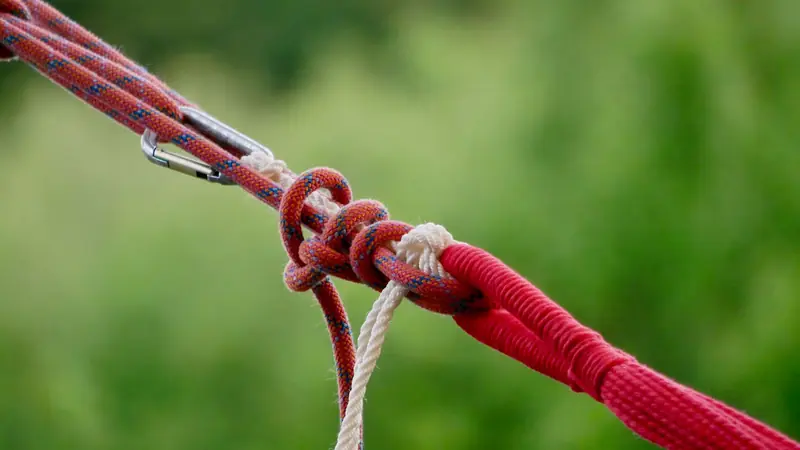
What a stopper knot does
A stopper knot is tied at the free end of a rope so that it jams in a belay device, an anchor or a rappel ring if the rope runs short. The bulk of the knot cannot pass through, and it works as a last line of defense against dropping a climber or sliding off the end of a rope.
It does not replace good practice. Checking rope length, communication and a partner check remain the main safeguards, and a stopper knot is the final safety net.
Think of it as one layer in a stack of habits. A partner check before leaving the ground, clear commands and a rope length that suits the route all come first, and the knot is there for the day when something slips through anyway.
When climbers tie one
Common situations include the belayer's end of the rope when a climber is going to be lowered, both ends of the rope before a rappel, and ropes that may not reach the ground. Many gyms require a knot at the end of the rope on lead walls, and some teach it as a habit for all rope work.
Anywhere the rope could be too short or the length is uncertain, tie the knot. On a long route with multiple pitches, check how much rope remains and tie stoppers when you change belays.
Common knots used
The overhand knot is the simplest, and it is quick to tie but can be small enough to slip through certain devices. Many climbers prefer a double overhand, a figure eight on a bight or a barrel style knot, which are bulkier and less likely to pull through.
The right choice depends on your devices and your instructor's guidance. Some people tie a stopper and clip it back to the rope, others leave it open, and each practice has its own rules. Ask an instructor which they recommend.
Leave enough tail
Leave a tail long enough that the knot does not roll up or slip. Many instructors recommend a tail of at least several finger widths, and some say longer for certain knots. Check the guidance in the course you attend.
Dress the knot so that it lies tidy and snug, and check that the strands do not cross awkwardly. A badly tied knot can look similar to a good one, and then it may slip or fail when needed.
Stoppers and rappelling
Rappelling is where the stopper habit matters most. If the rope does not reach the next anchor or the ground, a knot in each end stops you before you slide off the end. Check that the rope reaches the next anchor, and make sure you can still manage the knots when pulling the rope down.
Some climbers tie the two ends together instead, which is a different approach with its own risks. Learn these options from an instructor and use the method suited to your setup and the terrain.
Short ropes and long routes
Rope lengths vary, and modern routes may be longer than older ones. A 60 meter rope that was fine for a short crag may be too short for a taller wall, and a climber lowering needs at least twice the height of the route in rope. Guidebooks and local climbers can tell you what length to bring.
If you are not sure, tie into the end and check with a partner, or bring a longer rope. Never assume, because mistakes on length are easy to make when you are looking at a route from the ground.
Stoppers and lowering
At a sport crag, a climber lowering off an anchor can be lowered right off the end of a rope that is too short. A stopper knot at the belayer's end will stop the rope at the belay device. Many accidents have been caused by short ropes, so this is a good habit.
Also check rope length against the route. A guidebook can list the length needed, and you can compare the length of your rope with the route. A longer rope may be needed, so ask around if unsure.
Where to learn the knots
Gyms often teach knots in introductory classes, and staff can show the stopper knot they prefer. Local clubs, outdoor schools and certified guides also run courses that include rope work. Learning in person lets someone correct your knot before a bad habit sets in.
Practice with a short length of cord at home, and tie each knot a dozen times until it is automatic. When you are comfortable, ask a partner to check your knots with you on real ropes.
Building the habit
Make the stopper part of your ritual: partner check, knot check, stopper check. Say it out loud with your partner, and make it a normal step. Habits are built by repeating them, and a quick routine takes only a few seconds.
If you are teaching a friend, show them the knot and explain why it matters. A good partner culture is one where checks are welcome and nobody feels silly for asking.
Popular right now
- The Best Climbing Nuts and StoppersBuying guide
- Best Belay DevicesBuying guide
- Best Headlamps for ClimbersBuying guide
- Bouldering vs Rope ClimbingArticle
- Climbing Photography BasicsArticle
- The Best Climbing SalvesBuying guide
Based on the last 28 days of search and visitor data.