How to Resole Climbing Shoes: When to Do It and What to Expect
Published How we research
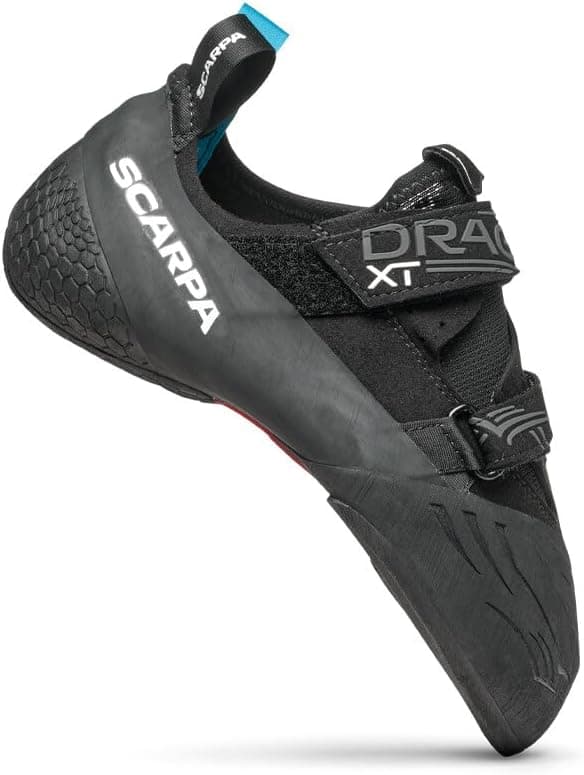
To resole climbing shoes, you send them to a resoler (or do it yourself with a kit) who grinds off the worn rubber and glues on a fresh sheet cut to the shoe's shape. Do it while the upper and rand are still in good shape and the rubber has not worn through to the midsole, because once those are gone the shoe is usually past saving. This guide covers how to tell it is time, what the shop does, what it typically costs, and when a home resole makes sense.
Products from this article
The highest-scoring picks from the buying guides this article links to. Scores are our editorial assessment, not customer ratings.
+ Very sensitive design lets you feel tiny smears and volumes through the sole
From our guide: Best Bouldering Shoes
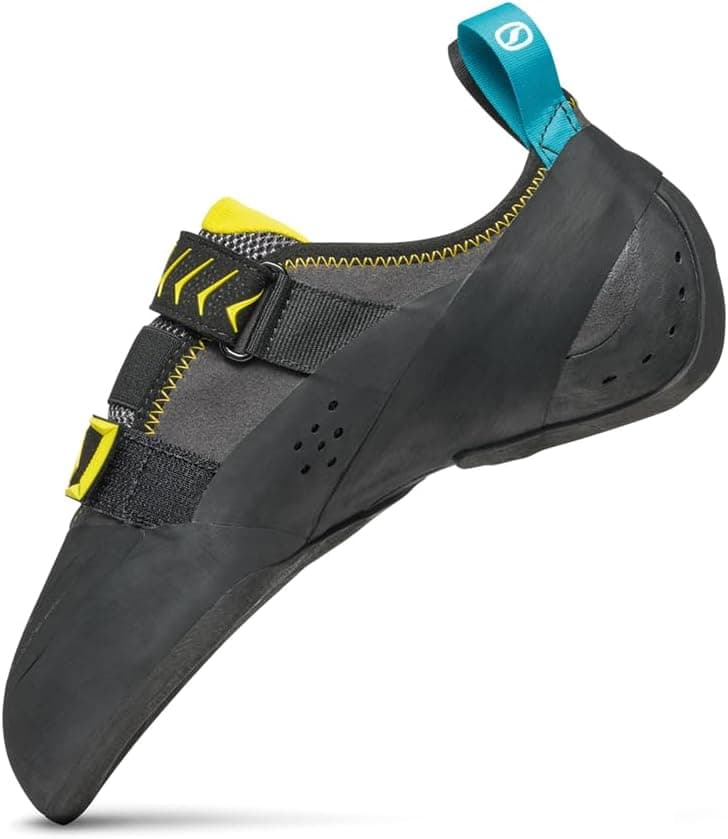
+ Moderate downturn is aggressive enough for steep sport yet comfortable enough to wear longer
From our guide: Best Sport Climbing Shoes
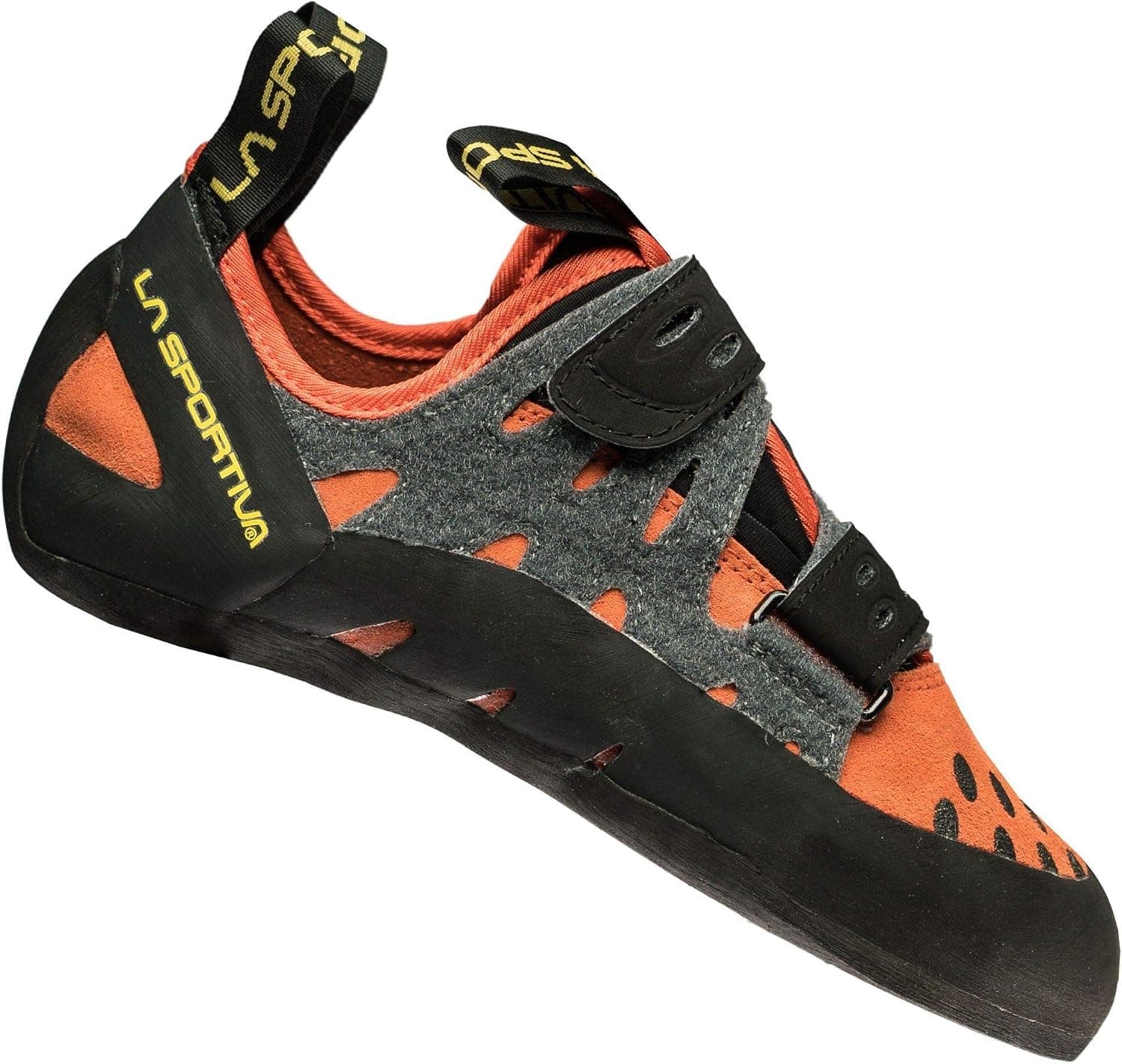
+ Unisex sizing opens up more options for a range of foot shapes
From our guide: Best Beginner Climbing Shoes
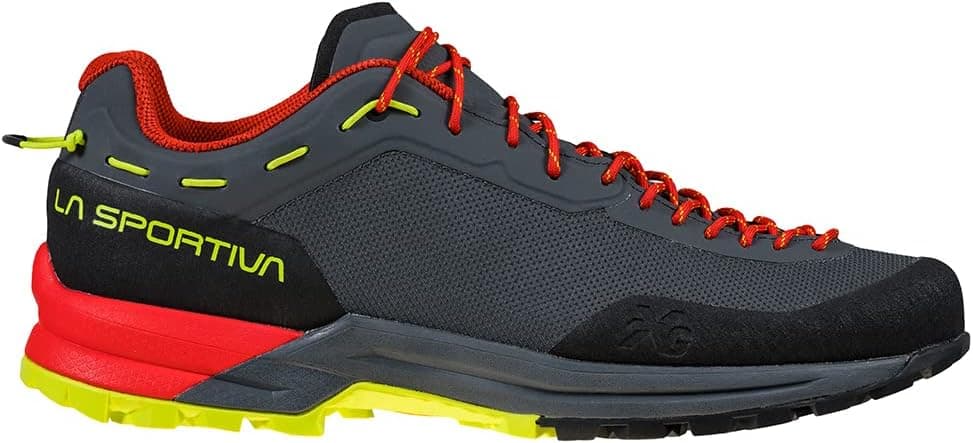
+ Climbing-zone sticky toe helps on low fifth-class scrambles
From our guide: Best Approach Shoes
Signs your shoes need a resole
The clearest sign is rubber that has worn thin under the toe and around the edges. If you can see or feel the midsole through the rubber, or the sole has worn flush with the rand (the rubber band that wraps the upper), you are at or past the point where a resole is straightforward. Many climbers send shoes in earlier, while a few millimeters of rubber remain, because that is when the repair is cheapest and the result is best.
Performance gives it away before the rubber does. Edges that feel rounded, a toe that skates on small footholds, or a shoe that suddenly feels less precise on slab all point to a worn toe box. Compare the shoe against a fresh pair of the same model if you have one: the profile of the toe should be crisp and square on a new shoe and rounded on a worn one.
Look at the rest of the shoe too. A resole replaces only the outsole rubber and sometimes patches the rand. If the upper is torn through, the heel rand has come apart, or the stitching is failing, a resoler may decline the job or tell you it will not last. A resole is worth paying for when the upper still has plenty of life.
What a resoler actually does
The shop strips the worn rubber from the bottom of the shoe, usually by grinding or peeling it away, and cleans the surface where the new sole will sit. A new sheet of climbing rubber is then glued on with contact cement, pressed, trimmed to the outline of the shoe and sanded to a clean edge. Some shops also rebuild a damaged rand or patch holes at the toe as part of the job.
You normally choose the rubber. Popular climbing rubbers come in a few thicknesses, commonly in the range of about 3.5 to 5 mm, and in different compounds that trade stickiness for durability. Thinner rubber gives more feel on small holds and wears out faster. Thicker rubber lasts longer and gives a stiffer platform for edging. Many resolers will suggest matching the original shoe if you are unsure.
Cost, turnaround and how to send them
Prices vary by shop, rubber and the repair needed, but a full resole in the United States commonly lands somewhere around 60 to 100 dollars, with rand repairs costing extra. That is a fraction of the price of a new pair of performance shoes, which is why resoling is worth it for a model you already like. Check the current price list on the resoler's own site, since it changes.
Turnaround ranges from a few days at a local shop to several weeks for busy mail-in services, so plan around it. If you only own one pair, a local shop or a mail-in resoler with a stated turnaround time keeps you out of the gym for less time. Pack the shoes clean and dry, include your contact details and a note on the rubber you want, and ask whether the shop is able to handle your specific model, as some unusual constructions are harder to rebuild.
Expect the shoe to feel a little different afterward. The fresh rubber is thicker and stiffer than your worn sole, so the shoe may feel more rigid for the first sessions. The fit is usually close to what you had, but a few climbers notice the shoe feels slightly tighter or longer until the rubber breaks in.
Resoling climbing shoes yourself
Resole kits are sold with rubber sheets and adhesive, and a handful of climbers do it at home with a rasp or sander, a sharp blade and patience. The hard parts are removing the old rubber evenly, getting a flat, clean gluing surface and trimming the new sole to follow the shoe's outline without leaving gaps. Contact cement bonds on contact, so there is no second chance to line the sole up.
A home resole makes sense for an old pair you do not mind experimenting on, or if you have access to the tools and want to learn. For your main performance pair, a professional resole is usually the safer choice because the toe shape and edge are what you are paying for. If you do it yourself, work in a ventilated space, follow the adhesive's directions and keep it away from open flame.
Making the next pair last longer
Keep your resoles spaced out by looking after the rubber. Walk to the crag or the boulder in approach shoes or sandals rather than your climbing shoes, wipe the soles on a clean mat or your pant leg before leaving the ground, and avoid dragging the toe when you walk around the gym. Toe rubber wears fastest on steep climbing with a lot of toe hooking and on rough rock.
Rotating two pairs, a softer shoe for hard sends and a sturdier one for volume, spreads the wear. A shoe that is a good fit to begin with also wears more evenly, because you are not curling or smearing the toes awkwardly to hold onto holds.
Store shoes dry and out of a hot car, since heat can weaken the adhesive that holds the sole on and can distort the rubber.
Resole or buy new?
Resole when you love the model, the upper is intact and the price of the resole is well under a new pair. Buy new when the upper is blown out, the shoe no longer fits well, or you want to move to a different shape or stiffness for the kind of climbing you now do. A beginner who has outgrown a first pair is usually better off picking a new shoe suited to their level.
If you are shopping for a replacement, these guides compare current options by climbing style, from bouldering and sport shoes to a first pair for a beginner, so you can pick a shape and stiffness that suits where you climb now.
Frequently asked questions
How many times can climbing shoes be resoled? It depends on the upper. Many shoes take one or two resoles before the upper or rand gives out, and some last longer if they are looked after and resoled early. The upper is usually the limit, not the rubber.
How long does a resole take? Anything from a few days at a local shop to a few weeks with a mail-in service, depending on how busy they are. Ask for the current turnaround before you send them.
Can you resole slippers and lace-ups alike? Most resolers handle both, but some unusual constructions, very worn rands or heavily stretched uppers are harder. Check with the shop about your model before shipping.
Is a resole as good as the original sole? A good resole gives you fresh rubber on your broken-in upper, and many climbers are happy with the result. It will not fix a stretched out or collapsed upper, so the shoe's fit afterward is still defined by how worn the upper is.
Popular right now
- The Best Climbing Nuts and StoppersBuying guide
- Best Belay DevicesBuying guide
- Best Headlamps for ClimbersBuying guide
- Bouldering vs Rope ClimbingArticle
- Climbing Photography BasicsArticle
- The Best Climbing SalvesBuying guide
Based on the last 28 days of search and visitor data.