Why Your Feet Slip Off Holds and How to Stop It
Published How we research
A foot popping off a hold is one of the most common reasons climbers fall, especially on slabs, small edges and polished gym holds. It is tempting to blame shoes, but most foot slips come from imprecise placement, moving weight at the wrong moment or dirty rubber. Worn or badly fitting shoes play a role too. Improving footwork makes climbing feel easier and saves a lot of energy in the arms.
Products from this article
The highest-scoring picks from the buying guides this article links to. Scores are our editorial assessment, not customer ratings.
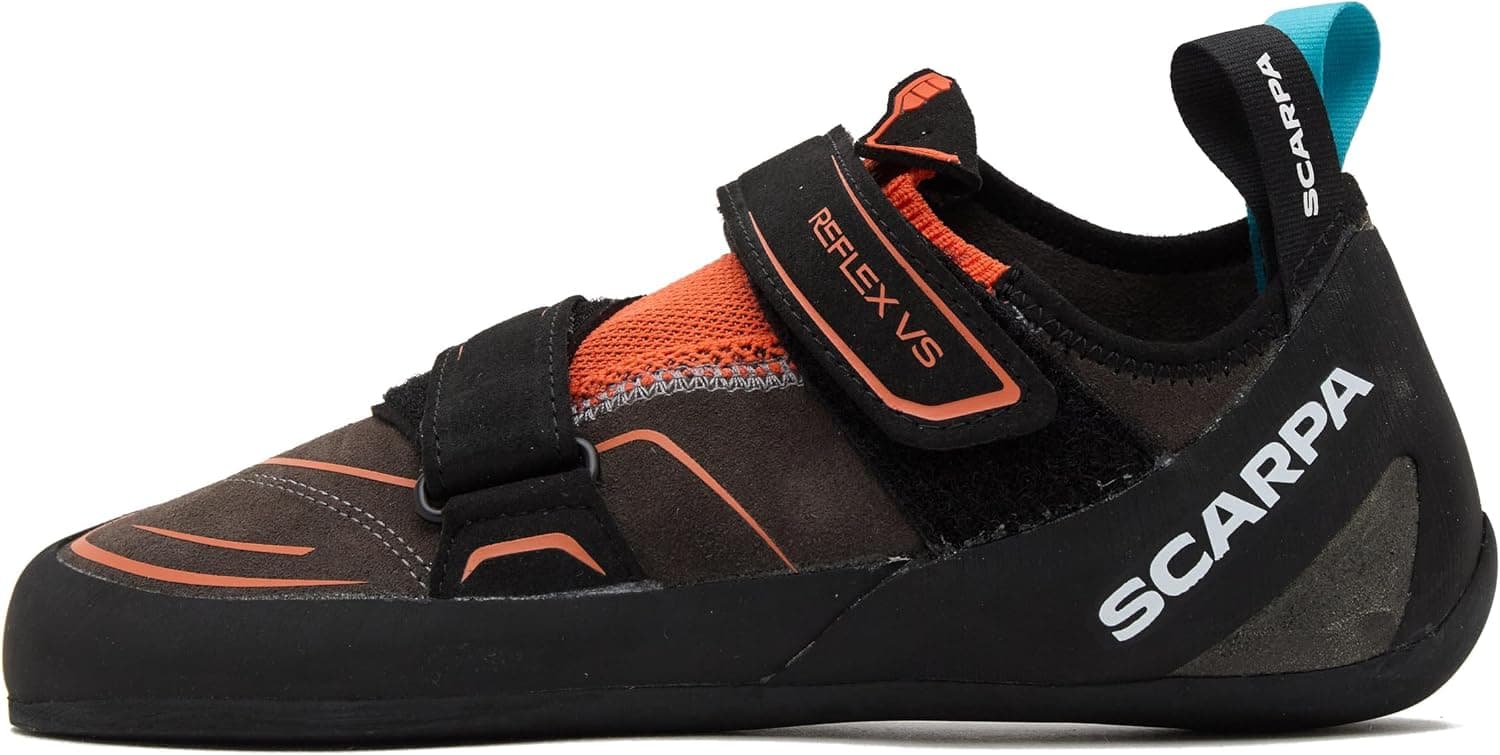
+ Unisex sizing opens up more options for a range of foot shapes
From our guide: Best Beginner Climbing Shoes
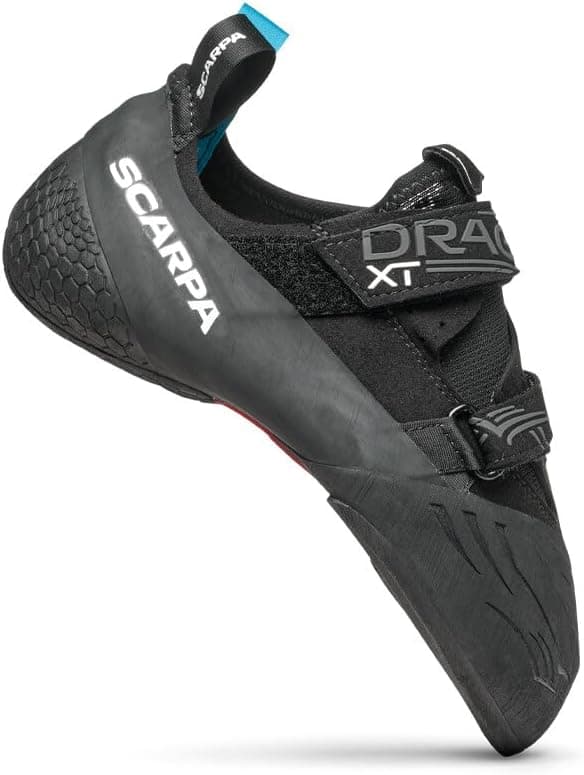
+ Very sensitive design lets you feel tiny smears and volumes through the sole
From our guide: Best Bouldering Shoes
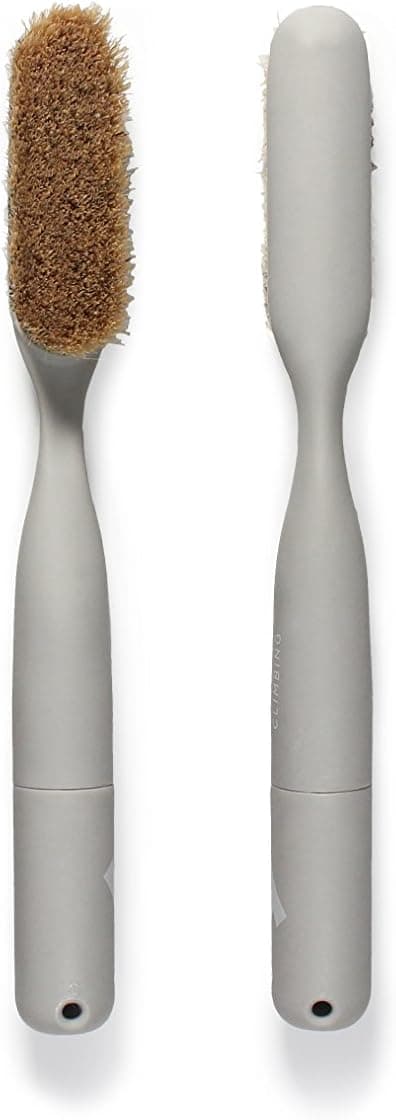
+ Premium boar's hair cleans chalk buildup quickly on most hold types
From our guide: The Best Climbing Brushes
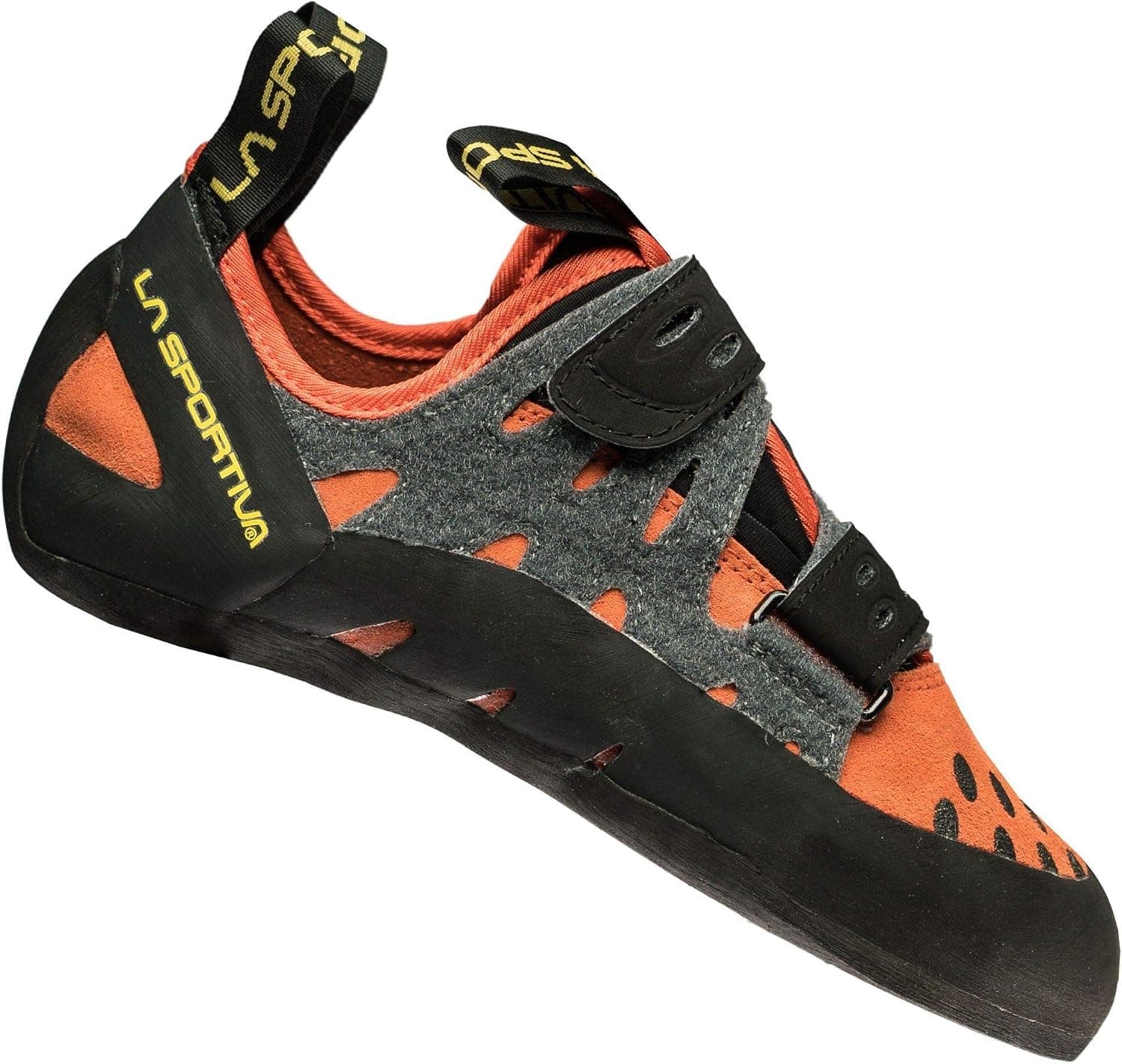
+ Flat, relaxed last keeps toes comfortable through long first sessions at the gym
From our guide: Best Beginner Climbing Shoes
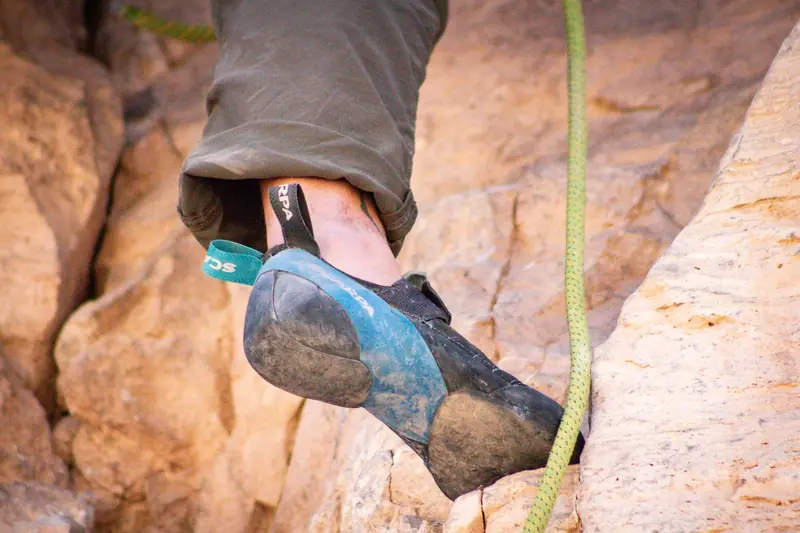
Look at your feet until they are placed
Many climbers glance at a foothold, then look up at the next handhold while the foot is still moving. The foot lands slightly off target, on the edge of the hold or on a chalky, polished part, and slips as soon as weight goes onto it.
Watch your foot all the way onto the hold and keep looking until it is weighted. Precise, quiet foot placements, where the shoe lands without scuffing or adjusting, are a sign you are placing feet deliberately.
Use the right part of the shoe
On small edges, the inside edge of the shoe near the big toe gives the most precision and support. Placing the middle of the foot on a tiny hold reduces contact and makes slipping more likely.
On slabs and featureless rock, smearing relies on as much rubber contact as possible. Drop your heels, keep weight over the feet and press the sole into the rock rather than tiptoeing on the very front of the shoe.
Commit weight to your feet
Hesitant climbers often keep weight in their arms, leaving feet lightly touching holds. Light feet slip easily, especially on smears, because friction depends on pressure.
Move your hips over your feet and stand up with confidence. Practising easy slab routes and silent feet drills builds trust in foot placements and reduces arm fatigue.
Clean shoe rubber
Dust, chalk and dirt on shoe rubber dramatically reduce grip. Gym floors and crag bases quickly coat soles, which is why feet sometimes slip even with perfect technique.
Wipe shoes on your trousers, a small towel or a rug before starting a climb. Occasionally clean rubber with warm water and a soft brush, letting shoes dry naturally away from heat.
Check shoe fit and wear
Shoes that are too loose let the foot move inside, so edging feels vague and the shoe rolls off small holds. Shoes should fit snugly without painful pressure, especially around the toes and heel.
Worn rubber at the toe loses its edge and eventually exposes the rand. Resoling or replacing shoes before the rubber is completely worn restores precision.
Recognise polished holds
Popular gym holds and classic outdoor routes become polished over time and offer less friction. Look for less-used parts of the hold and place feet on textured areas.
Shoes with softer rubber can help on smears and polished rock, while stiffer shoes give support on small edges. Many climbers own more than one pair for different styles.
Popular right now
- The Best Climbing Nuts and StoppersBuying guide
- Best Belay DevicesBuying guide
- Best Headlamps for ClimbersBuying guide
- Bouldering vs Rope ClimbingArticle
- Climbing Photography BasicsArticle
- The Best Climbing SalvesBuying guide
Based on the last 28 days of search and visitor data.