Climbing Chalk Types Explained
As an Amazon Associate I earn from qualifying purchases.
Chalk is the simplest piece of climbing equipment and somehow still generates endless opinions. Its job is straightforward: climbing chalk is magnesium carbonate, and it absorbs the sweat on your fingertips so your skin can grip the rock or plastic instead of sliding on a film of moisture. Beyond that shared purpose, chalk comes in several forms, and the differences in texture, convenience, and mess are real enough to be worth understanding.
Loose chalk is the classic option: a bag of powder, sometimes fine, sometimes chunky, that you dip your hand into mid-climb or between attempts. Most loose chalks are blends of finer and coarser particles, and personal preference runs deep here. Finer powder coats quickly and evenly but tends to disappear fast from the bag and hang in the air; chunkier blends let you crush a piece as you chalk up, which many climbers find gives better coverage. Loose chalk is the most versatile choice and the default for most people, with the main downside being dust and spills.
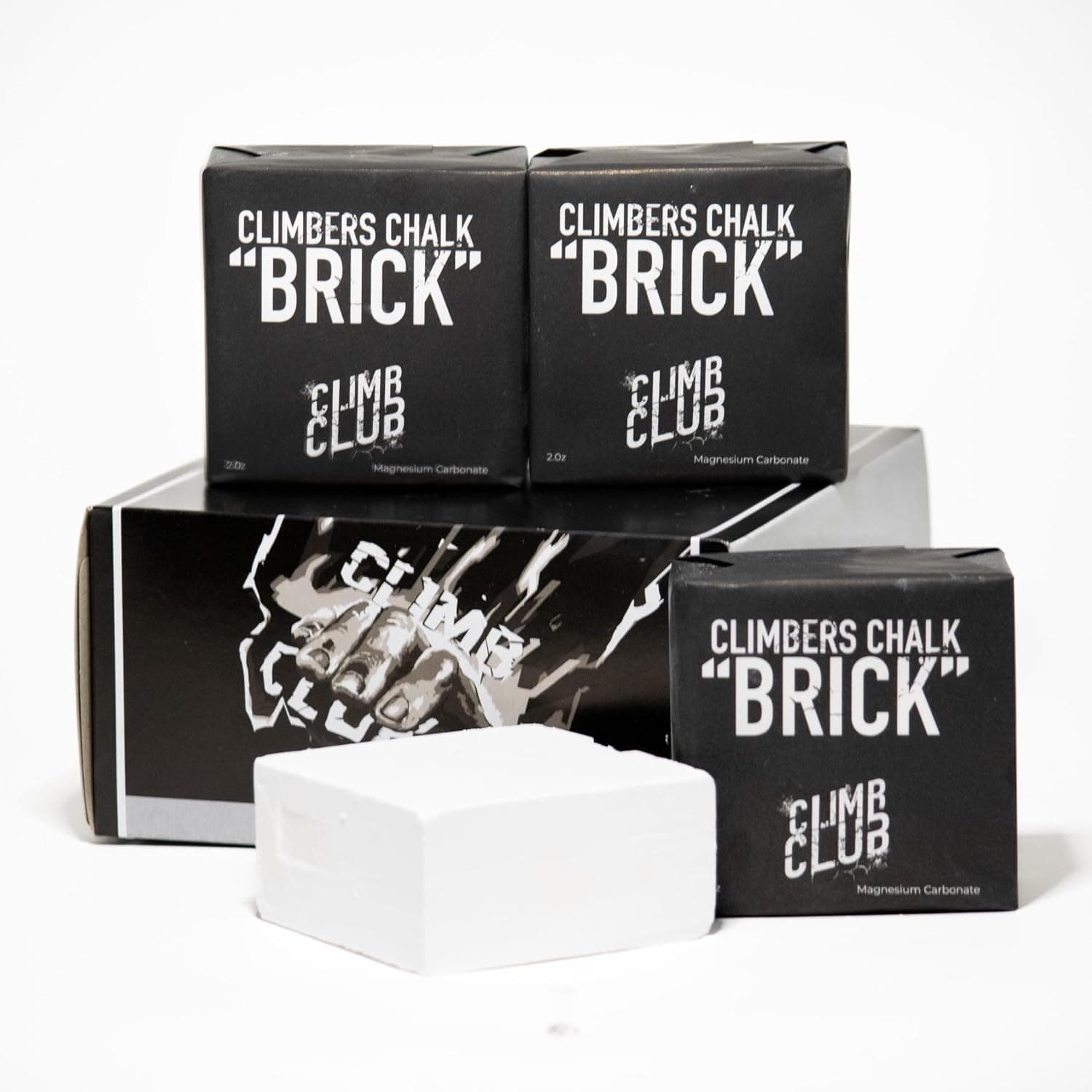
Block chalk is the same material sold as a compressed brick. You break it up yourself, which is oddly satisfying, and you control the texture, leaving it chunky or crushing it fine. Blocks are usually the cheapest way to buy chalk and produce less packaging waste. The trade-off is a little preparation effort and the same dust as loose chalk once crushed. Chalk balls, meanwhile, are mesh sacks filled with powder that release chalk when squeezed. They dramatically cut down on airborne dust and spills, which is why some gyms require them, though heavy sweaters sometimes find a ball alone delivers less coverage than a proper dip in loose powder.
Liquid chalk is powdered chalk suspended in fast-evaporating alcohol. You rub a small amount over your hands, wait a few seconds, and the alcohol flashes off leaving an even, thin, long-lasting base layer. It excels as a pre-session base under loose chalk, in gyms that restrict powder, and for sweaty hands in humid weather. Its limitations are practical: you cannot easily reapply it mid-route, frequent use can dry skin aggressively, and some formulations sting broken skin.
Does more expensive chalk work better? Sometimes, modestly. Purity of magnesium carbonate varies, and some premium chalks include drying additives or simply feel better in texture. Plenty of strong climbers use the cheapest block available and never think about it again. Skin type matters more than branding: sweaty-handed climbers benefit most from liquid bases and drier formulations, while people with naturally dry skin may need very little chalk at all, and over-chalking dry skin actually reduces friction by filling in the skin's texture.
Whatever you choose, use it considerately. Brush holds after working a problem, avoid dumping excess powder onto mats, and go easy on chalking outdoors, where white streaks on rock accumulate as visual impact for everyone who visits after you. A small bag, a modest dip, and a quick brush of the holds when you leave: chalk works best when nobody notices it but you.