Caring for Your Climbing Skin
As an Amazon Associate I earn from qualifying purchases.
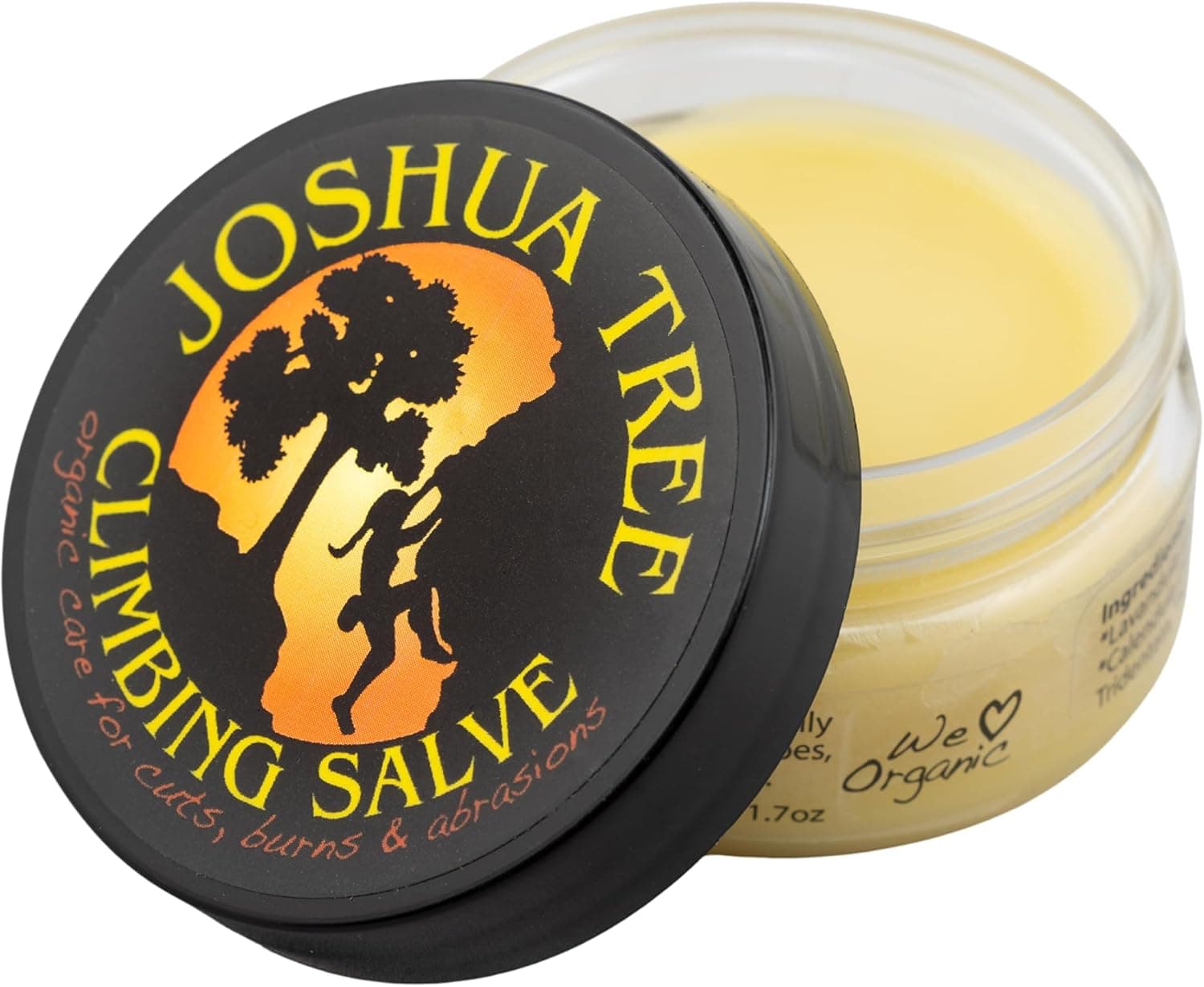
Every climber eventually learns that skin is a limiting factor, sometimes more than strength. Fingertips that are raw, torn, or glassy-smooth simply cannot grip, and a session that ends because of skin failure is as over as one that ends from exhaustion. The good news is that skin responds to care remarkably well, and a few minutes of maintenance around your sessions can add years of comfort and a surprising amount of grip.
The foundation is understanding what climbing does to skin. Repeated friction builds callus, which is protective up to a point. The problem is uneven callus: raised ridges and edges catch on holds and tear away in chunks, producing the injury climbers call a flapper. The goal of skin care is not maximum toughness but smooth, even, supple thickness, like well-maintained leather. That means managing calluses actively rather than letting them grow wild.
The core routine is simple. After climbing, wash your hands to get chalk off, since chalk left on the skin keeps drying it long after the session ends. In the evening, apply a skin repair balm or a plain moisturizer so the skin rebuilds overnight, staying flexible instead of cracking. Every few days, file down any raised or rough callus with a fine sanding block, pumice, or dedicated skin file, ideally after a shower when skin is soft. You are aiming to level the high spots, not to remove the callus entirely.
Flappers happen anyway, usually on a jug or a sloper when a callus edge catches. When one tears, clean the wound gently, trim the loose flap with small scissors unless it sits cleanly back in place, and cover it with tape for the rest of the session if you continue climbing. Afterward, keep it clean and moisturized while it heals. Splits, the small cracks that open at fingertip edges or joints in cold, dry conditions, respond well to balm, patience, and sometimes a day or two of tape. Both injuries heal faster when you resist the urge to pick at them.
Manage skin during sessions, too. Alternate between hold types when your tips get hot and tender, because sharp crimps and rough volumes chew skin fastest. Stop a working session one or two attempts before your skin fails rather than one after. Learn to tape when appropriate: tape protects damaged skin adequately for easier climbing, though it always costs some sensitivity and friction, so it is a repair tool rather than a prevention strategy for most people.
Conditions and hydration round out the picture. Sweaty skin tears more easily, which is one more argument for chalking sensibly, and severely dried-out skin becomes glassy and slick, which is what happens with heavy liquid chalk use and no aftercare. Drink water, use balm, file flat, and pay attention to what your individual skin does, because skin varies as much between climbers as finger strength does. Treat your tips like the equipment they are, and they will hold up through hard sessions, long trips, and rough rock alike.