Beastmaking: A Fingers-First Approach to Becoming a Better Climber by Ned Feehally Review (2026)
Updated September 20, 2026 · Research-based review
Our verdict
Beastmaking, written by Beastmaker co-founder Ned Feehally and published by Vertebrate Publishing, is a 224 page paperback focused on finger strength training for climbers. Its narrow focus rewards boulderers chasing grip strength, though it spends less time on broader endurance or technique work.
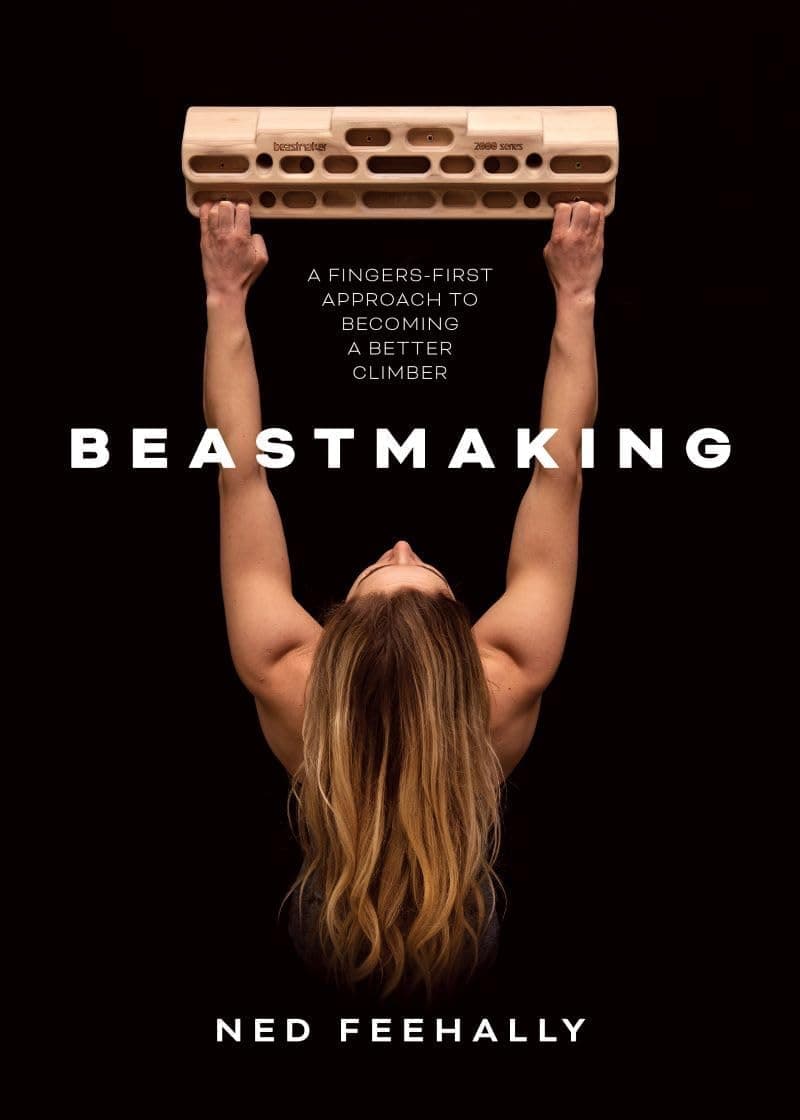
Beastmaking by Ned Feehally, a fingers-first approach to becoming a better climber from a leading boulderer.
Price range: See on Amazon
What we liked
- + Finger strength focus suits boulderers and hangboard users
- + Author's bouldering background adds practical credibility
- + Clear explanations of grip types and finger training
Trade-offs
- - Narrow focus on fingers covers less endurance training
- - Hangboard exercises need a board to put into practice
What this book covers
Beastmaking, subtitled A Fingers-First Approach to Becoming a Better Climber, was written by Ned Feehally, a co-founder of the hangboard brand Beastmaker who has climbed multiple V15 boulders and is among the few climbers to have flashed V14. Published by Vertebrate Publishing as a 224 page paperback in 2021, the book centers on fingerboarding and finger strength as the foundation of climbing performance, with additional sections on board training, mobility and core work. Feehally draws on insight from elite climbers including Alex Honnold, Shauna Coxsey, Adam Ondra, Alex Puccio and Tomoa Narasaki throughout the book, weaving their approaches into his own recommendations.
The fingers-first philosophy
The book's core argument is that finger strength is the most limiting factor for most climbers, so training should start there rather than treating it as just one part of a broader, more general program. Feehally frames training as personal experimentation, summed up in the book's own line that when it comes to training for climbing, you are your own experiment, which reflects a practical rather than strictly prescriptive approach to programming. The book deliberately avoids heavy scientific citation or detailed periodization planning, instead distilling practical, applied wisdom for climbers ranging from beginners to experienced athletes into an accessible, readable format.
What the book does not cover
Because the focus stays narrow on fingers and hangboard training, Beastmaking spends comparatively little time on cardiovascular endurance, footwork or overall movement technique, areas covered more fully in broader training references like The Climbing Bible. Readers looking for a single book covering all aspects of climbing training, technical, physical and mental, will need a companion title alongside this one to fill those gaps in coverage. The trade-off is depth over breadth, and Feehally's approach rewards readers who already know they want to prioritize finger and grip strength rather than a general fitness overhaul across every part of the sport, every energy system and every muscle group involved in climbing movement.
Practical use and who it fits
The exercises are illustrated with photographs and explained without heavy jargon, which makes the fingerboard and finger training protocols approachable for climbers without a strength training background or a coaching degree of their own. A hangboard or fingerboard is necessary to put most of the exercises into practice, so climbers without access to one will need to acquire a board before the book becomes directly actionable in a home training routine. Boulderers and sport climbers focused on grip strength, and anyone already using a hangboard inconsistently or without a clear plan, are the clearest fit for the structured guidance the book provides throughout its many detailed chapters.
Who should buy this book
Beastmaking suits climbers who want to prioritize finger and grip strength and already have or plan to get a hangboard, particularly boulderers where contact strength matters most for hard, powerful moves. It is a weaker fit for climbers who want one comprehensive training reference covering technique, endurance and mental training together, since the scope here stays deliberately narrow by design rather than by oversight. Given the site's own score reflecting strong practical credibility from the author's climbing background, this book works best paired with a broader reference like The Climbing Bible for readers who want full-spectrum training coverage over time.
Frequently asked questions
Who wrote Beastmaking?
Ned Feehally, a co-founder of Beastmaker and an elite boulderer, wrote the book, published by Vertebrate Publishing.
How long is the book?
224 pages, published in 2021 as a paperback.
Do I need a hangboard to use this book?
Yes, most of the exercises are built around fingerboard and hangboard training, so access to one is important to put the program into practice.
Does Beastmaking cover climbing technique too?
Only briefly. The book focuses mainly on finger strength, board training, mobility and core work rather than broader technique training.
Prices change often, so check the current price and availability on Amazon.
Check price on AmazonClimbing Nest may earn a commission from the link above.