Rack Basics for Sport Climbing
As an Amazon Associate I earn from qualifying purchases.
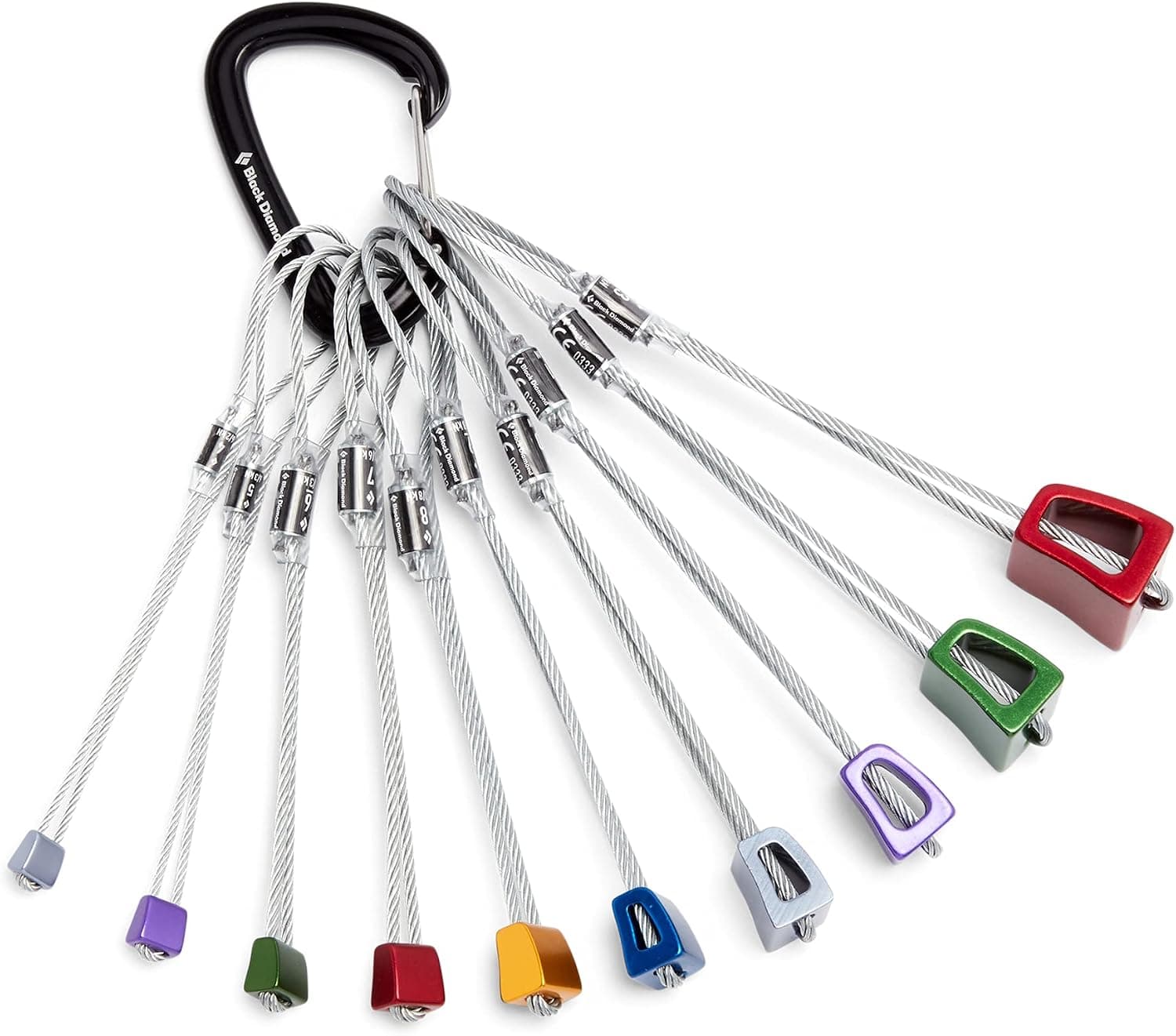
Sport climbing keeps gear refreshingly simple: the protection is already drilled into the rock as bolts, so your job is to bring the equipment that connects you to those bolts and to your partner. A functional sport rack fits in a small pack and, bought thoughtfully, lasts for years. Here is what belongs in it and why, assuming you have already learned to lead and belay from qualified instruction, since gear only works as well as the skills behind it.
The centerpiece is a set of quickdraws, the two-carabiner units you clip between bolts and rope. Most single-pitch sport routes need ten to fourteen draws, so a dozen is the standard starting number, and route descriptions in a guidebook will tell you when a long pitch demands more. Quickdraw choices involve small trade-offs: wider gates and larger carabiners clip more easily, longer slings reduce rope drag on wandering routes, and stiffer sling sleeves make the bottom carabiner easier to grab and clip. A mixed set with a few longer draws covers most situations. Adding one or two draws beyond the count you need means you always have spares for the anchor.
Your harness, belay device, and rope may already exist from gym climbing, but check that they suit outdoor use. A comfortable harness with gear loops matters more outside, where you rack draws on your hips. An assisted-braking belay device is the common choice for sport belaying and catching repeated falls on projects. The rope for sport climbing is a dynamic single rope, typically seventy meters these days, since modern sport pitches are often long; verify that your rope is at least twice the length of the routes you plan to lower off, and tie a knot in the free end regardless.
The anchor and descent portion of the rack is small but essential. Most sport climbers carry a couple of locking carabiners, a sling or two, and a dedicated setup for cleaning the anchor, along with a personal tether system for securing themselves at the bolts while threading the rope for lowering. The specific technique for cleaning a sport anchor varies by fixed hardware and local convention, and it is a skill to learn hands-on from an instructor or mentor before you need it thirty meters off the ground. A helmet completes the safety kit and belongs on your head, not your pack, at the crag.
A few accessories earn their space quickly. A stick clip lets you pre-clip the first bolt on routes with hard or tall starts, protecting the most dangerous section of many sport climbs. A rope bag keeps your cord clean and speeds up transitions between routes. Chalk, tape, a brush for cleaning holds, and a small knife round out the kit, and a guidebook or app for the area is as much a piece of safety equipment as anything metal, since knowing route lengths and anchor types prevents the most common sport climbing accidents.
Buy gear new or from sources you completely trust, since a used soft good with unknown history is a gamble not worth taking. Beyond that, resist the urge to over-buy at the start. A dozen draws, a rope, harness, helmet, belay device, and a modest anchor kit will take you up thousands of routes, and the experience of using them is what tells you which upgrades, if any, your climbing actually needs.