Rope Care and Retirement
As an Amazon Associate I earn from qualifying purchases.
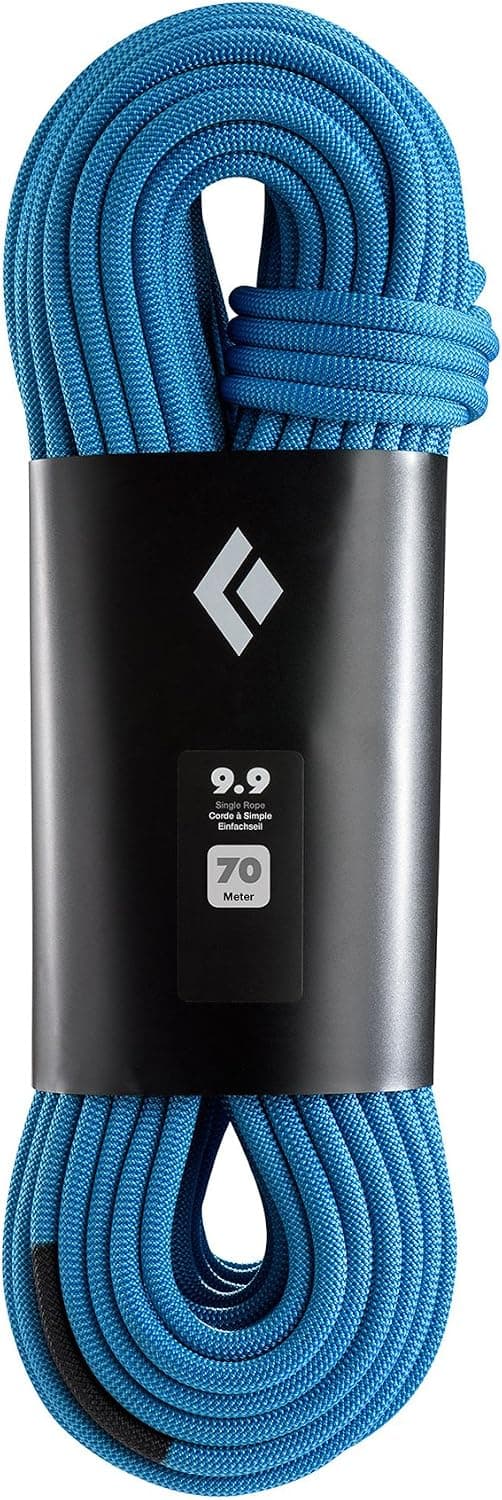
A dynamic climbing rope is a remarkable piece of engineering: a woven nylon core that stretches to absorb the energy of a fall, wrapped in a protective sheath. It is also a consumable. Every rope wears out, and the habits you build around caring for it determine both how long it lasts and how confidently you can trust it. None of this is complicated, but it does need to be consistent.
Start with daily handling. Keep your rope off dirt whenever possible by using a rope bag or tarp, because fine grit works into the sheath and grinds away at fibers from the inside every time the rope flexes. Keep it away from chemicals, especially anything acidic, and do not store it in a car trunk next to fuel cans or battery acid, since chemical damage can be invisible from the outside. Avoid stepping on the rope, which drives grit inward, and avoid top-rope setups where the rope runs directly over another rope or webbing, because nylon sawing on nylon generates heat and damage quickly.
Inspect the rope regularly by running its full length through your hands, feeling and looking as you go. You are checking for sheath damage that exposes the core, unusually soft or flat spots, stiff sections, lumps, and heavy fuzzing concentrated in one area. Light general fuzziness is normal wear; localized damage is not. Pay extra attention to the ends, which take the most falls and the most abrasion. If the last meter or two of an end is damaged but the rest is healthy, a common practice is to cut the damaged section off, seal the new end, and recalculate your rope length, marking the middle again and telling your partners it is now shorter.
Washing a dirty rope extends its life and makes it handle better. Use lukewarm water in a tub or a front-loading machine on a gentle cycle, with either plain water or a cleaner made for ropes; avoid harsh detergents and bleach. Flake the rope loosely or daisy chain it to prevent tangling, rinse well, and dry it completely away from direct sunlight and heat sources. Store it loosely flaked or coiled in a cool, dry place out of the sun, uncompressed, and it will stay supple far longer.
Retirement is a judgment call built on manufacturer guidance and honest assessment. Rope makers publish lifespan guidelines that combine age and usage: even an unused rope has a shelf life of roughly a decade, frequent use shortens working life to a few years, and heavy weekly use shortens it further. Beyond time, retire a rope immediately if the core is visible anywhere, if it has flat or mushy sections, if it suffered a severe fall with unusual loading, or if it contacted damaging chemicals. When in doubt, the price of a new rope is trivial compared to what the rope protects.
Retired ropes do not need to go to a landfill. They become excellent rope rugs, dog leashes, handled mats, and practice material for knots and rope work. What they must never become is someone else's climbing rope, so cut retired ropes into sections or clearly mark them before passing them on. Care for the working rope in your bag with these habits and it will quietly do the most important job at the crag: catching the people you climb with, every single time.