How to Reduce Forearm Pump When Climbing
Published How we research
Pump is the burning, tight feeling in the forearms that makes your grip open no matter how hard you try to hold on. It is one of the most common reasons climbers fall or lower off routes, especially on steep or sustained climbs. Pump happens when forearm muscles work so hard that blood flow cannot keep up with the demand. Better technique and smarter pacing reduce it immediately, while specific training improves it over months.
Products from this article
The highest-scoring picks from the buying guides this article links to. Scores are our editorial assessment, not customer ratings.
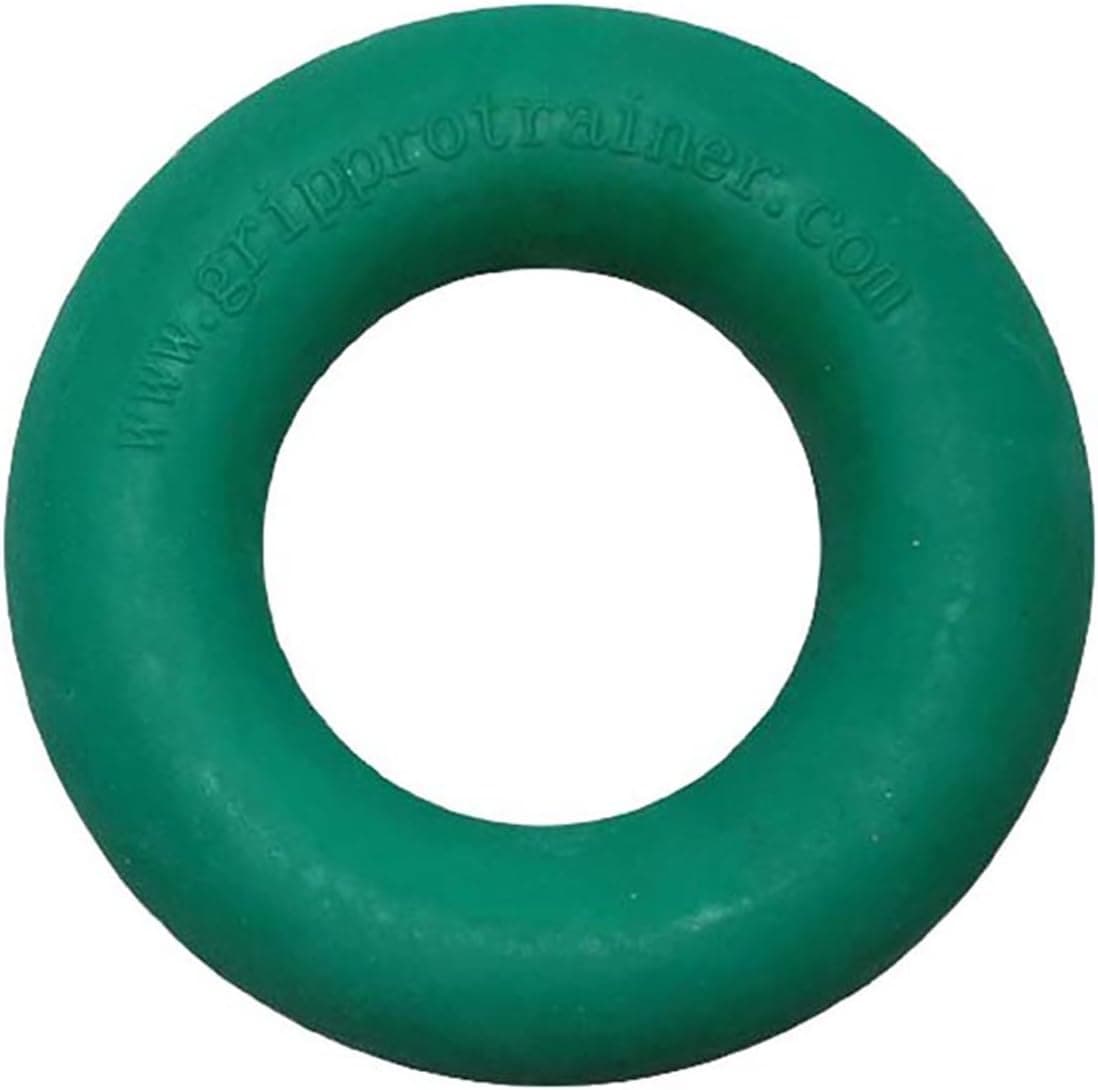
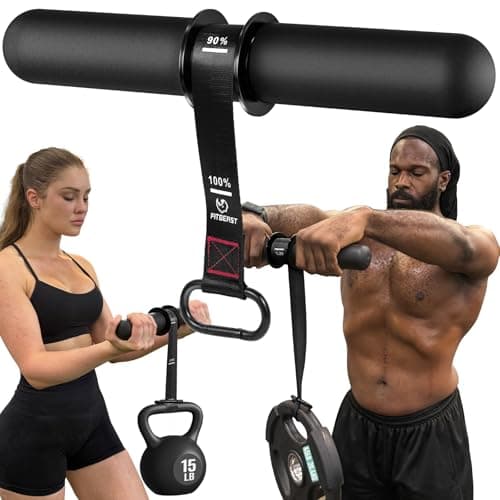
+ Handles are listed as 25% thicker, which adds a grip challenge on top of the wrist rolling itself.
From our guide: Best Forearm Trainers for Climbing Endurance
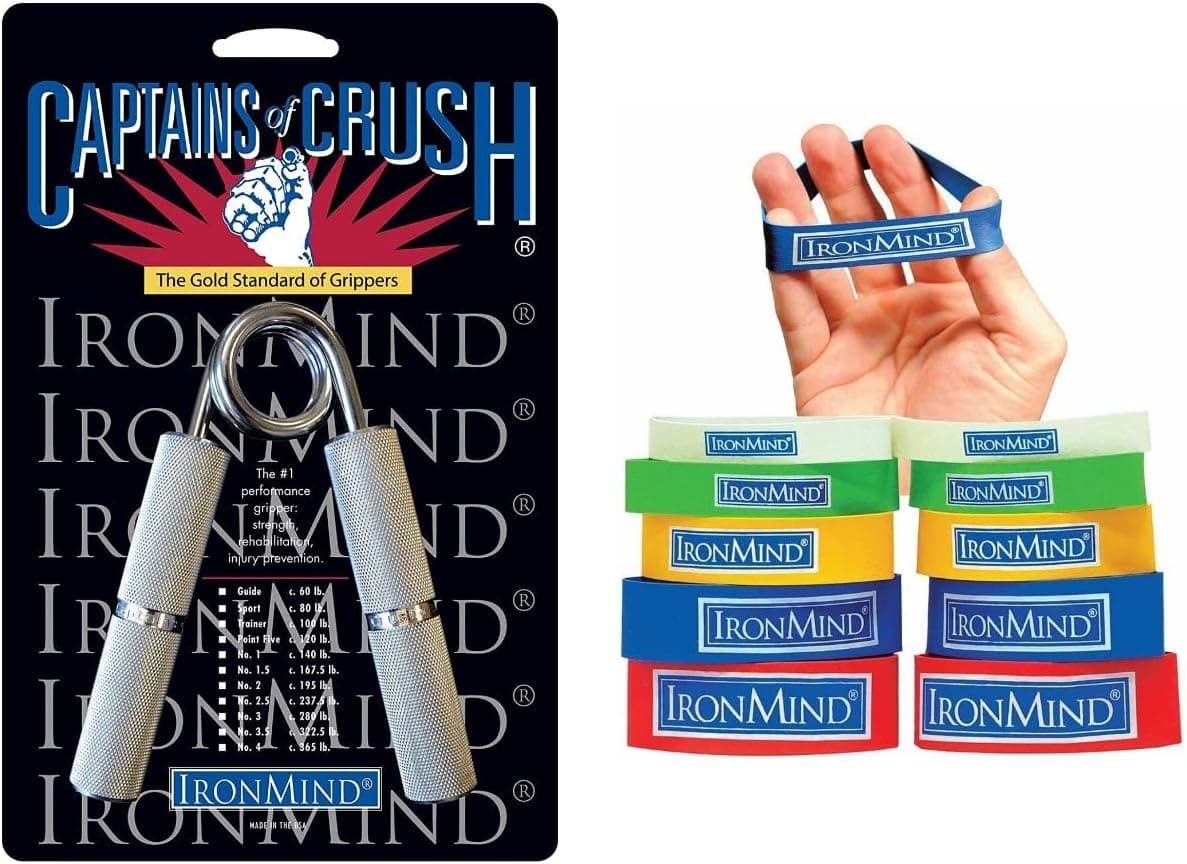
+ No. 1 gripper builds crush strength for pinches and slopers
From our guide: Best Grip Strengtheners for Climbers
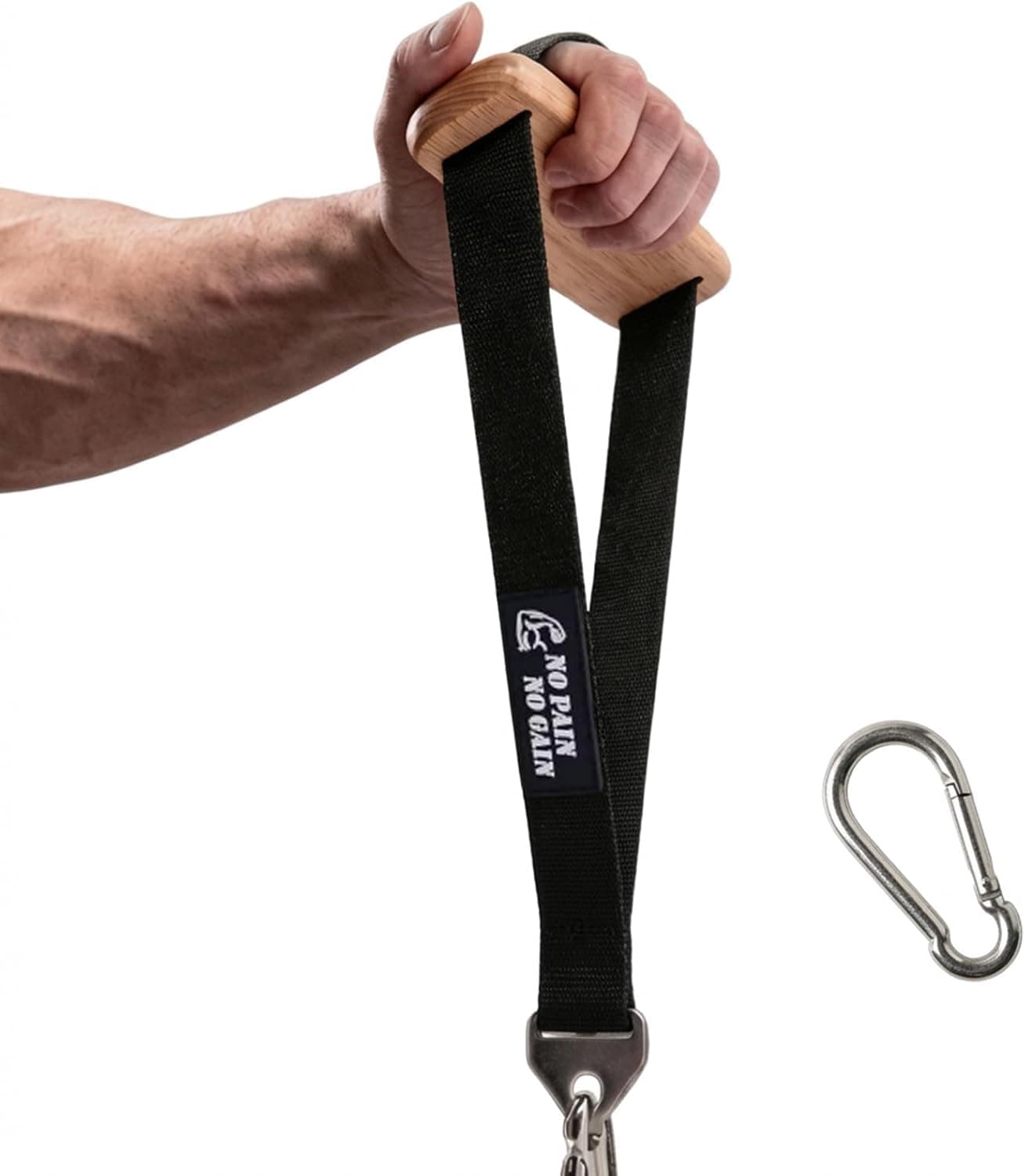
+ Beech wood board is sturdy and comfortable to grip
From our guide: Best Antagonist Training Tools for Climbers
+ 6 Pack includes multiple tools for grip and finger work
From our guide: Best Forearm Trainers for Climbing Endurance
Why pump happens
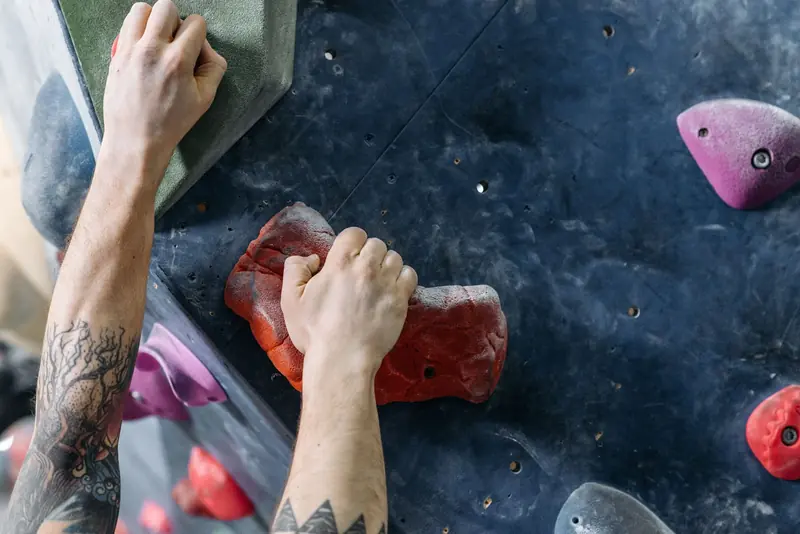
When you grip holds, forearm muscles contract and squeeze the blood vessels running through them. Hard, continuous gripping restricts blood flow, so oxygen delivery drops and metabolic by-products build up faster than they can be cleared.
The result is a burning sensation, swollen forearms and loss of grip strength. Nervous climbers who overgrip, move slowly and hang in strenuous positions reach this point much sooner than relaxed, efficient climbers.
Stop overgripping
Many climbers squeeze holds much harder than necessary, especially when scared or unsure of the next move. That extra effort pumps the forearms even on easy terrain.
Practise holding on with just enough force, focusing on relaxed fingers on easy routes. Trusting your feet and keeping weight over them lets you grip lighter with your hands.
Climb with straight arms
Holding yourself close to the wall with bent arms keeps muscles under constant tension. Hanging on straight arms uses the skeleton to support weight and lets muscles relax.
Turn hips into the wall, push with legs and reach with straight arms when possible. On steep terrain, keeping arms straight between moves makes a big difference.
Shake out and breathe
Find good holds and positions where you can take one hand off and let it hang, shaking it gently below your heart to restore blood flow. Alternate hands several times before continuing.
Deep, steady breathing helps you relax and reduces unnecessary tension. Many climbers hold their breath on hard sections, which increases pump and anxiety.
Pace your climbing
Moving too slowly through difficult sections lets pump build, while rushing leads to mistakes. Aim to climb steadily through hard moves and rest at good holds.
Read routes from the ground to identify rests and cruxes. Knowing where you can shake out helps you plan effort.
Train endurance
Climbing lots of easier routes in a session, often called mileage, builds forearm endurance and technique. Circuits on a bouldering wall or repeating routes with short rests are common training methods.
Warm up gradually before hard climbing to open blood vessels and prepare muscles. Adequate rest days allow forearms to recover and adapt.
Popular right now
- The Best Climbing Nuts and StoppersBuying guide
- Best Belay DevicesBuying guide
- Best Headlamps for ClimbersBuying guide
- Bouldering vs Rope ClimbingArticle
- Climbing Photography BasicsArticle
- The Best Climbing SalvesBuying guide
Based on the last 28 days of search and visitor data.