How to Climb Outdoors in Cold Weather
Published How we research
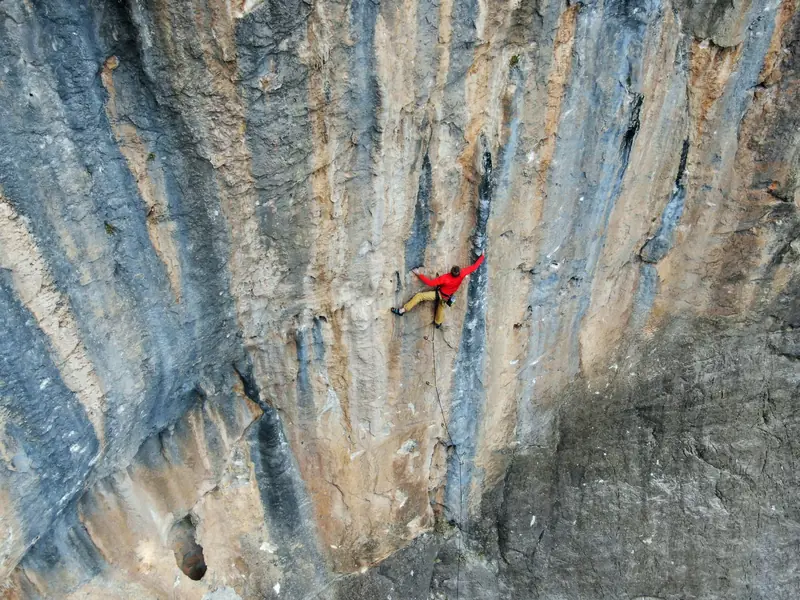
Many climbers consider autumn and early winter the best time of year to climb outdoors. Cool, dry air improves friction on rock and rubber, and projects that felt greasy and impossible in summer suddenly feel within reach. Cold weather also brings numb fingers, stiff muscles, short days and rock that stays wet after rain. With the right approach, you can take advantage of prime conditions while staying comfortable and safe at the crag.
Products from this article
The highest-scoring picks from the buying guides this article links to. Scores are our editorial assessment, not customer ratings.
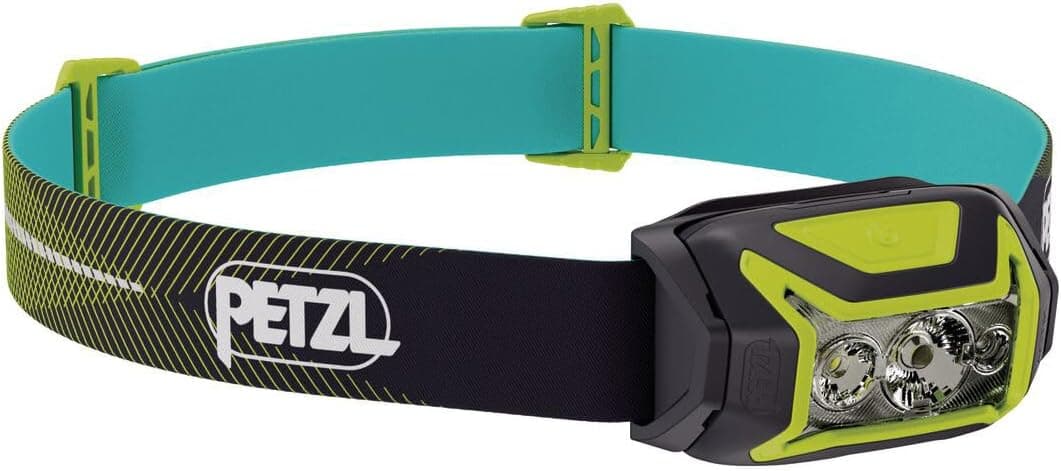
+ 650 Lumen output lights up approaches and descents
From our guide: Best Headlamps for Climbers
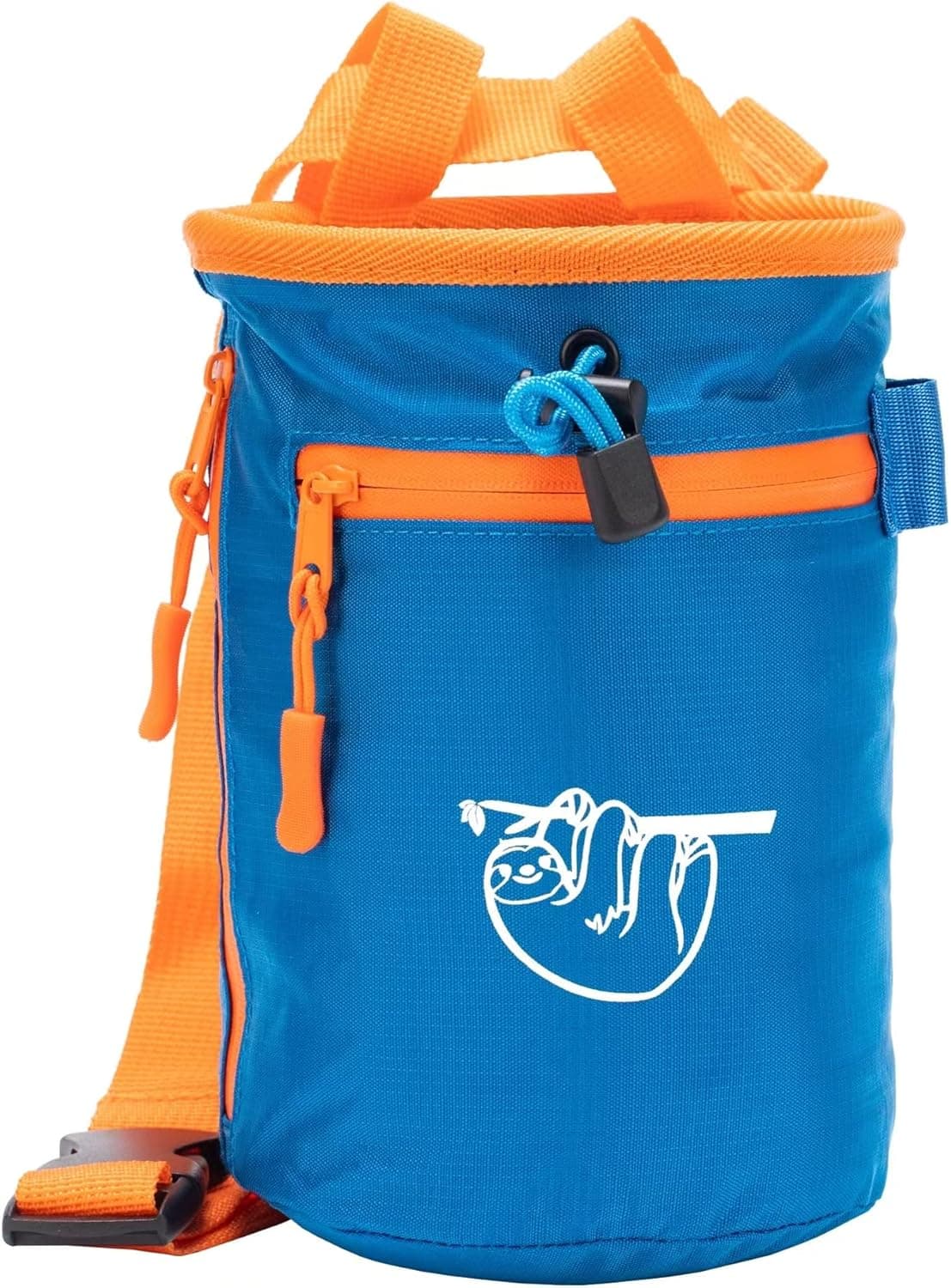
+ 2 large zipper pockets hold phones, keys or tape
From our guide: The Best Chalk Bags
+ 57x40x4 size gives a large landing zone for bigger problems
From our guide: Best Crash Pads for Bouldering
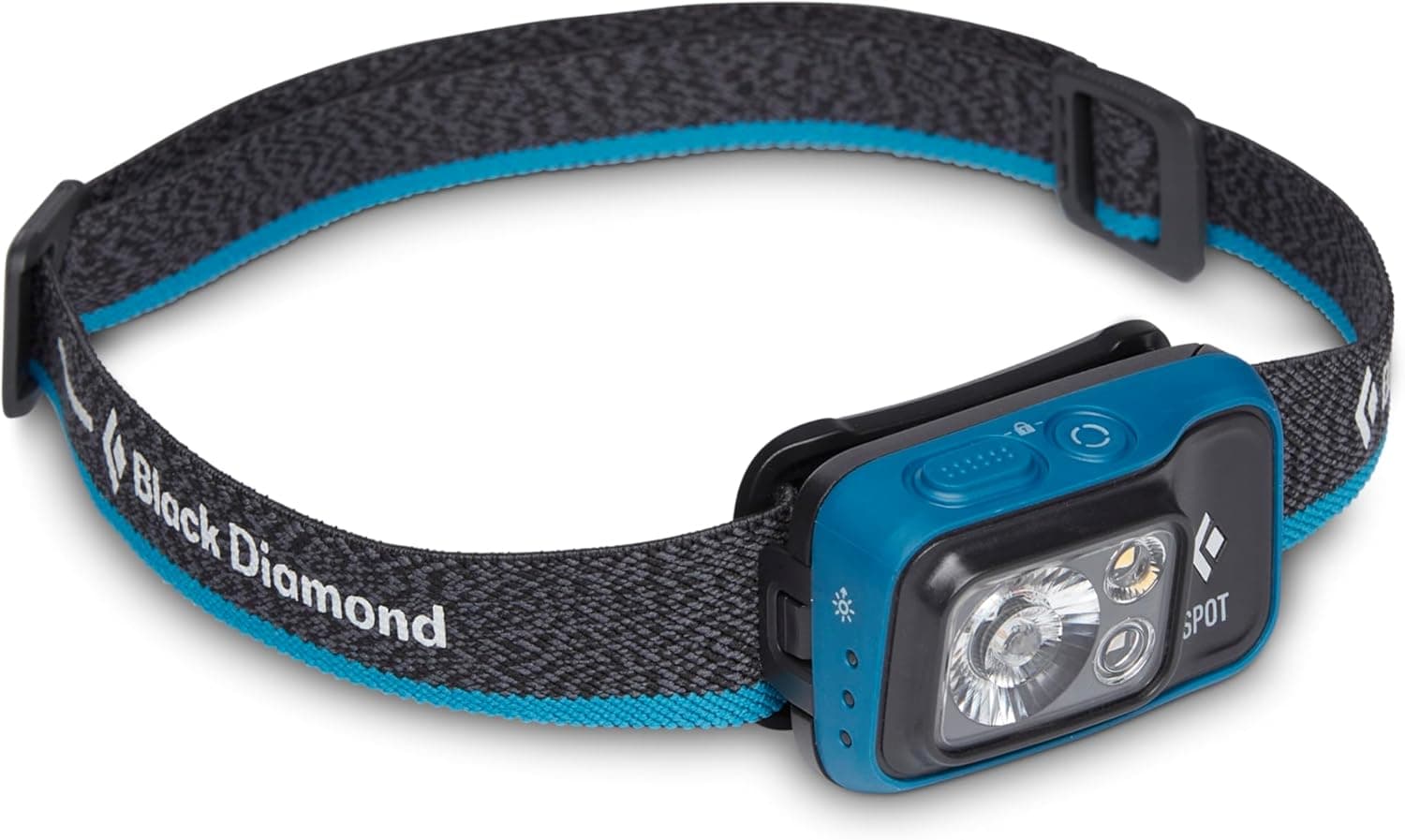
+ 400 Lumens provide bright light for descents in the dark
From our guide: Best Headlamps for Climbers

Why cool temperatures help
Friction between skin, climbing shoe rubber and rock generally improves in cool, dry conditions. Hands sweat less, chalk stays effective for longer and rubber feels noticeably stickier on smears and small edges, which is why climbers talk about good conditions or send temps.
Humidity matters as much as temperature, though. A cold but damp, foggy day can feel just as slick as a warm one, and some rock types absorb moisture and stay greasy long after rain, so check forecasts for humidity, wind and recent rainfall as well as temperature.
Warm up thoroughly
Cold muscles, tendons and finger pulleys are less elastic and more prone to injury, and crimping hard on small holds with cold fingers is a common way to get hurt. The approach hike helps, but it is rarely enough warm-up on its own when you then stand around belaying in the shade.
Before touching rock, do some brisk movement such as jumping jacks, arm circles and light finger opening and closing exercises. Start on easy routes or problems well below your limit, and progress gradually so your body is fully warm before attempting a hard project.
Layer clothing for stop-start climbing
Climbing days involve short bursts of hard effort followed by long periods standing still while belaying, resting or spotting. Dress in a breathable base layer and light mid layer for climbing, and keep a warm insulated jacket ready to throw on the moment you finish an attempt.
A belay jacket large enough to fit over a harness, a warm hat, insulated boots for standing at the base and a windproof shell make long sessions far more pleasant. Temperatures often drop sharply when the crag goes into shade, so pack more layers than you think you need.
Keep fingers warm and sensitive
Cold fingers lose sensitivity, so you cannot feel small holds properly and tend to overgrip. Keep hands in pockets or insulated gloves between attempts, and tuck a disposable hand warmer into your chalk bag or jacket pocket.
Warm your hands right before each attempt by swinging your arms or holding them against your core under your jacket. Avoid resting your hands on cold rock while working out the next moves, which drains warmth quickly.
Plan around short days
Daylight is limited in autumn and winter, and it disappears faster in valleys and on shady walls. Start early, plan how long the approach and descent take and always carry a headlamp, even for a short afternoon session close to the car.
Check sunset times and stop climbing with enough light left to pack up ropes and gear safely. Walking out on unfamiliar or rocky trails in the dark increases the risk of slips and navigation mistakes.
Respect wet rock and changing conditions
Wet or icy rock is dangerous to climb and can also be damaged, especially soft sandstone, which becomes fragile when damp and should not be climbed for a day or more after rain. Follow local guidance and ethics for your area and choose another crag if rock is still wet.
Cold hands and bulky clothing affect how you handle ropes, knots and belay devices. Double-check systems carefully, communicate clearly with partners over wind noise and call it a day if conditions deteriorate or anyone becomes too cold to climb safely.
Popular right now
- The Best Climbing Nuts and StoppersBuying guide
- Best Belay DevicesBuying guide
- Best Headlamps for ClimbersBuying guide
- Bouldering vs Rope ClimbingArticle
- Climbing Photography BasicsArticle
- The Best Climbing SalvesBuying guide
Based on the last 28 days of search and visitor data.