Climbing with Kids
As an Amazon Associate I earn from qualifying purchases.
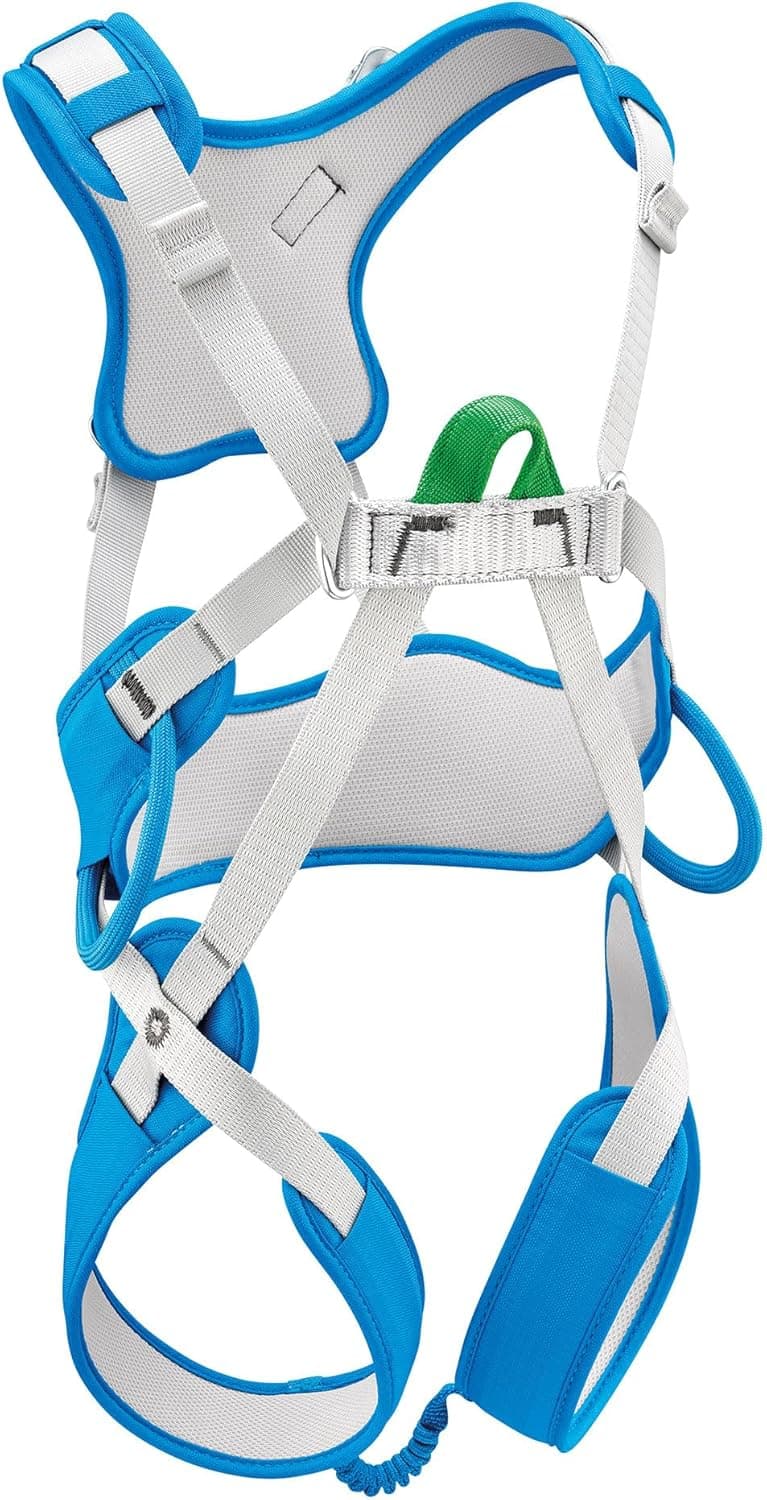
Children climb before anyone teaches them, on furniture, trees, and playgrounds, so a climbing gym is less an introduction to something new than a safer, better-organized version of what kids already do. Climbing suits children well: it builds coordination, problem solving, and confidence, and it lets kids of different sizes and athletic backgrounds succeed side by side. Getting started well is mostly a matter of matching the format to the child and keeping the emphasis on play.
Most gyms welcome children, and many run dedicated kids' programs from around age four or five, with structured classes and youth teams for older kids. For casual visits, check the gym's age policies and supervision rules, which usually require an adult actively supervising each child, often with a specified ratio. Auto belays and top rope areas with staff or trained parents belaying are the typical setups for younger kids on ropes, while bouldering works for children who can understand the falling rules and stay aware of climbers above them. Ask the front desk what they recommend for your child's age; they navigate this daily.
Gear for kids is simple and should fit properly. Young children typically wear full-body harnesses, which keep the tie-in point high and prevent flipping, since small children carry proportionally more weight up top and often lack defined hips for a sit harness to grip. Older kids transition to appropriately sized sit harnesses. Rental shoes work fine at the start; buy shoes comfortably snug, never painfully tight, because growing feet and aggressive downsizing are a terrible combination. Kids need no chalk in the beginning, though most want a chalk bag immediately because it looks official.
The coaching approach that works is games, not instruction. Children learn climbing movement naturally through play: follow-the-leader traverses, collecting stuffed animals placed on holds, climbing with one color, floor-is-lava games along the bottom of the wall. Keep sessions short and end while it is still fun. Resist the urge to coach technique from the ground; a stream of instructions turns play into pressure, and kids develop remarkable technique on their own when given time and varied terrain. Save structured training for older kids who ask for it, and be aware that intensive finger training is generally considered inappropriate for growing bodies, since growth plates in young fingers are vulnerable to overuse.
Safety with kids centers on supervision and environment rather than fear. Teach the two big rules from day one: look before you walk in the bouldering area, and never climb underneath or above another person. Watch downclimbing and jumping habits, keep toddlers and waiting siblings well clear of landing zones, and check harness buckles yourself every time, even as kids learn to do it. Outdoors adds sun, terrain, and rockfall considerations, so first outdoor trips are easiest through family-friendly crags or guided family sessions, with helmets on kids as a matter of course.
Finally, follow the child's lead on ambition. Some kids fall in love and want teams, competitions, and every session you can drive them to; others are happy climbing occasionally as one activity among many. Both are wins. The durable gift is not a competitive career but a physical activity a person can love for life, and the parent who keeps climbing fun is handing over exactly that.