Cleaning and Storing Climbing Gear the Right Way
As an Amazon Associate I earn from qualifying purchases.
Climbing gear is built to handle abuse at the cliff, but its lifespan is decided mostly at home. Dirt, moisture, chemicals, sunlight, and careless storage quietly shorten the working life of everything in your pack, while a modest care routine keeps gear functional, trustworthy, and pleasant to use for years. None of it takes long, and most of it happens naturally once the habits are set.
Soft goods, meaning anything made of nylon or similar fibers, deserve the most caution because damage can be invisible. Wash harnesses and slings occasionally in lukewarm water with mild soap, rinse thoroughly, and air dry away from sunlight and heat. Ropes get the same treatment in a tub or a front-loading machine on gentle, ideally inside a mesh bag, using plain water or rope-specific cleaner. The absolute rules for all soft goods: no bleach, no harsh detergents, no machine drying, and no contact with chemicals, especially acids. Battery acid, fuel, and solvents can destroy nylon strength without visible damage, which is why gear should never live loose in a car trunk with automotive supplies.
Hardware is more forgiving but still benefits from attention. Rinse carabiners, belay devices, and cams in warm water when they get gritty or after any trip involving sand or salt air, scrubbing gently with a brush, then dry them completely. Sticky carabiner gates and stiff cam lobes usually revive after cleaning and a small amount of an appropriate lubricant applied to moving parts, with the excess wiped away so it does not attract grit or migrate onto slings. While cleaning, inspect: look for sharp edges worn into carabiner rope-bearing surfaces, deep grooves in belay devices, cracks anywhere, and frayed cam trigger wires. Cleaning time doubles as inspection time, which is half its value.
Shoes and chalk bags respond to simple habits. Air shoes out after every session instead of sealing them in your pack, since trapped moisture is what makes shoes both smelly and short-lived. Hand wash shoes occasionally in lukewarm water with mild soap if they get truly rank, and always air dry away from heat, since heat degrades both rubber and glue. Keep shoes out of hot cars, where soles delaminate and rubber hardens. Resoling is worth knowing about: worn rubber and small toe holes are repairable if you act before the damage reaches the shoe's structure, and a resole costs a fraction of a new pair.
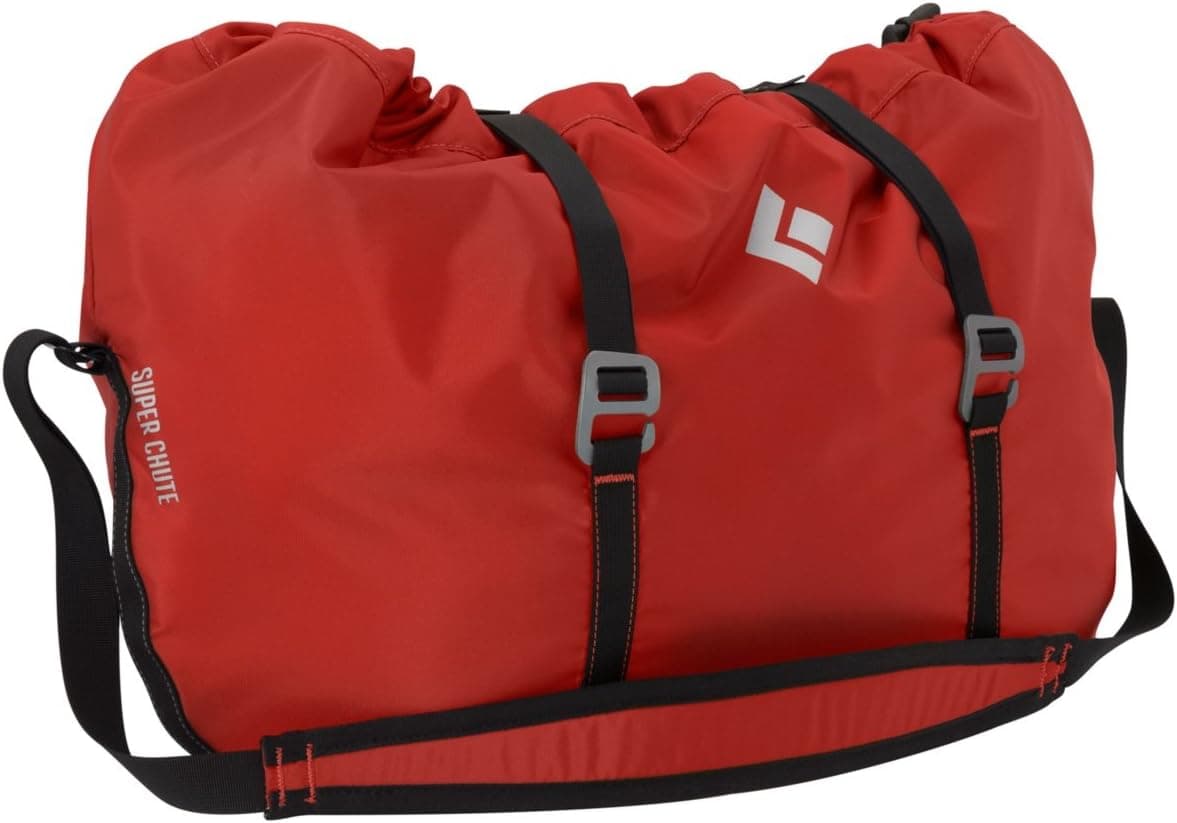
Storage is about five enemies: sunlight, heat, moisture, chemicals, and compression. The ideal gear home is a cool, dry, dark place, such as a closet or gear bin indoors, with ropes loosely coiled or flaked in a rope bag, harnesses and slings hanging or loosely packed, cams hanging so their lobes are not compressed for months, and nothing stored wet, ever. Damp gear packed away grows mildew and corrodes hardware. The car trunk fails almost every criterion, which is why it should be a transport location, not a storage location, however convenient the habit feels.
Round out gear care with records and honesty. Note roughly when you bought ropes, harnesses, and slings, since manufacturers publish lifespan guidance that combines age with usage, and even lightly used soft goods have retirement dates. After any exceptional event, a huge fall, a rockfall strike, chemical exposure, inspect thoroughly and retire anything questionable. Well-kept gear earns trust every time you rack up, and the small ritual of caring for it is part of what makes climbing a craft rather than just a workout.