Petzl GRIGRI Belay Device with Assisted Braking Review (2026)
Updated September 14, 2026 · Research-based review
Our verdict
The Petzl GRIGRI is the standard assisted braking device for sport climbers who want the cam-assisted catch that makes hang-dogging and working a project less tiring on the belayer. It is widely taught and trusted, but feeding slack quickly for clips takes practice, and loading the rope backward is a real risk without proper instruction.
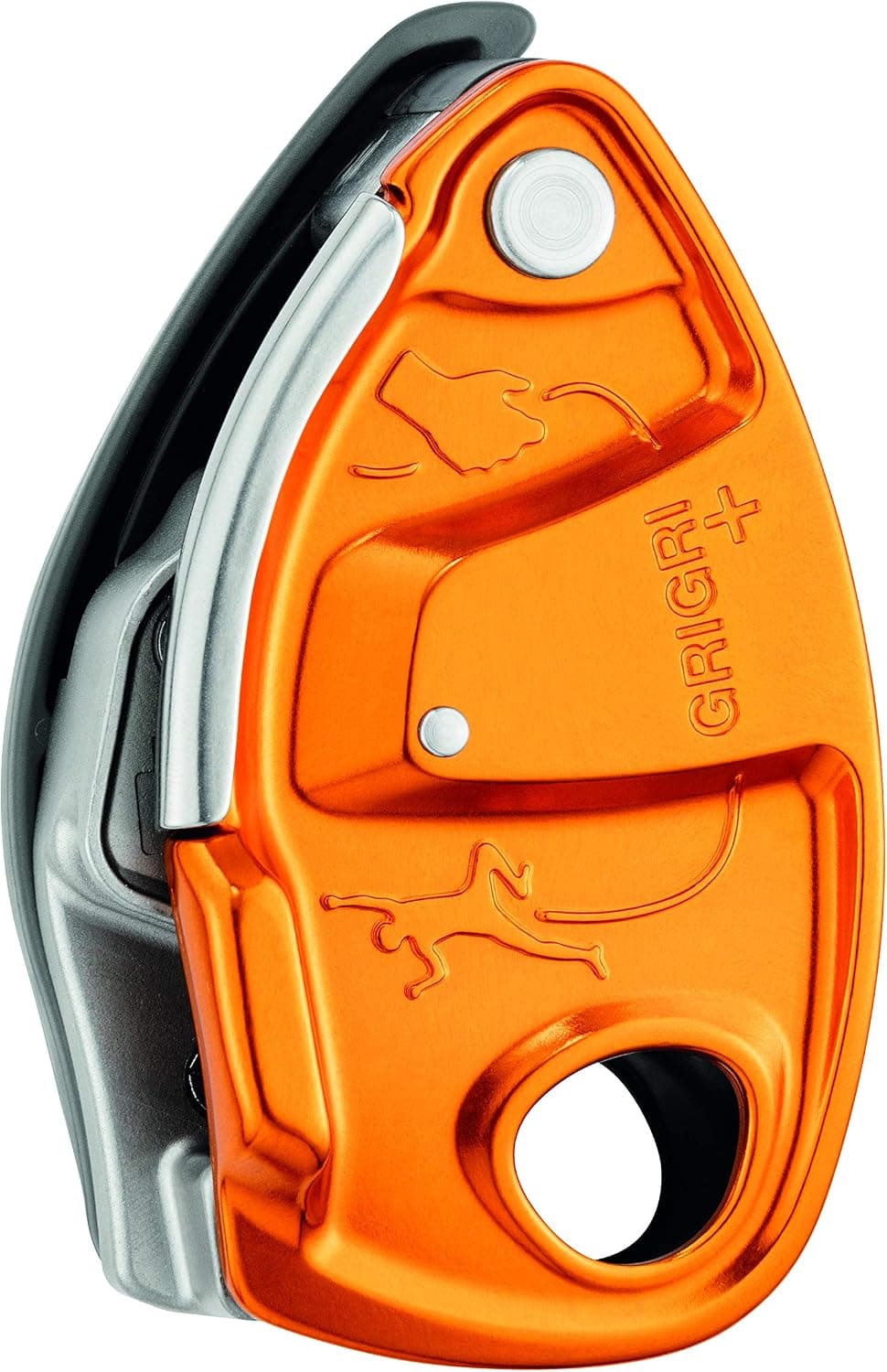
The Petzl GRIGRI with assisted braking, the classic cam device favored for sport projecting and gym lead belaying.
Price range: See on Amazon
What we liked
- + Cam locks the rope during a fall, reducing fatigue on long sessions
- + Makes hang-dogging and working routes much easier on the belayer
- + Widely taught design makes partners confident on belay
Trade-offs
- - Feeding slack quickly for clips requires practiced technique
- - Needs extra care to avoid misloading the rope backward
Who this device fits
The GRIGRI is built for sport climbers and gym climbers who spend a lot of time belaying a leader working a route, since the cam-assisted braking locks the rope automatically when it moves fast through the device, reducing the physical fatigue of holding a static brake position through repeated falls and hang-dogging sessions. Petzl designs it for lead and top rope climbing with single ropes, and its widespread use in gyms means most climbing partners already know how to use one, which matters when you are pairing up with someone new. It is less suited to climbers who mainly need a lightweight device for multi-pitch guide mode or double-rope rappelling, since the GRIGRI is a single-rope device built around its cam mechanism rather than a simple tube plate.
Weight, rope range and build explained
Petzl lists the GRIGRI at 175 grams (6.2 oz), and it is compatible with single ropes from 8.5mm to 11mm, with the design optimized for the 8.9mm to 10.5mm diameter range that covers most modern sport and gym ropes. The device uses a cam-assisted blocking mechanism, meaning an internal cam pinches the rope when it senses a fast pull, such as during a fall, which is the core feature that distinguishes it from a simple tube-style belay plate with no moving parts. Petzl built the handle ergonomically to allow a smooth, controlled descent when lowering a climber, since releasing the cam too quickly on a basic assisted device can cause a jerky drop. The compact, durable design has made it one of the most recognized belay devices in the sport.
Using it day to day at the gym and crag
The cam lock is the main everyday benefit, since it catches a fall with less reliance on the belayer's brake hand grip strength alone, which matters over a long session of repeated attempts on a project route. That same cam mechanism makes feeding slack quickly for clips a skill that takes real practice, since yanking rope through too fast can trigger the cam to lock unexpectedly and interrupt a leader's rhythm right when they need slack to clip. Loading the rope correctly is also critical, since threading it backward defeats the assisted braking function entirely and has been linked to accidents, which is why proper instruction before first use matters more with the GRIGRI than with a simple tube device. Regular practice with lowering technique helps keep descents smooth rather than jerky.
How it stacks up against other belay devices
Against the Mammut Smart 2.0, a lighter device at 80 grams with a passive assisted mechanism and no internal moving cam, the GRIGRI's active cam gives a more positive lock on a fall, while the Smart 2.0 is lighter and simpler with no cam to load correctly or incorrectly. Against the DMM Pivot, a guide-capable tube device with no assisted braking cam, the GRIGRI wins on lead-belaying security but cannot match the Pivot's ease of releasing a loaded guide mode for bringing up a second. Against the EDELRID Mega Jul, another passive assisted device, the GRIGRI's cam mechanism is generally considered more forgiving for catching hard falls, which is a major reason it remains the standard choice for gyms and sport crags.
Bottom line
This is the right pick for sport and gym climbers who want a widely trusted, cam-assisted device that reduces belayer fatigue during long project sessions, backed by Petzl's engineering and its status as the most commonly taught assisted braking device in climbing gyms. It earns our score of 8.6 out of 10, with fit for the job rated highest thanks to how well it matches sport and gym belaying specifically. Climbers who need a lightweight guide-mode device for multi-pitch trad routes, or who want to avoid the learning curve around correct loading and slack feeding, should consider a passive assisted or tube-style device instead, and everyone should get proper instruction and practice before relying on a GRIGRI for real falls.
Frequently asked questions
What rope diameters work with the Petzl GRIGRI?
Petzl lists compatibility with single ropes from 8.5mm to 11mm, optimized for the 8.9mm to 10.5mm range common in sport and gym climbing ropes.
How much does the GRIGRI weigh?
Petzl lists the weight at 175 grams, or about 6.2 ounces.
Is the GRIGRI hard to learn for a beginner?
It has a learning curve around correctly loading the rope and feeding slack smoothly for clips, so proper instruction before first use is important, following Petzl's own guidance.
Can the GRIGRI be used for rappelling with two ropes?
No, it is designed as a single-rope device, so double-rope rappels require a different device such as a tube-style plate.
Prices change often, so check the current price and availability on Amazon.
Check price on AmazonClimbing Nest may earn a commission from the link above.