PETZL GRIGRI 3 Climbing Belay Device - Gray Review (2026)
Updated September 14, 2026 · Research-based review
Our verdict
The GRIGRI 3 in gray suits climbers who belay often enough to want Petzl's assisted-braking device rather than a plain tube. Its main strength is the added catching margin from cam-assisted braking, and the trade-off is more weight and cost than a simple device, plus no support for double-rope rappelling.
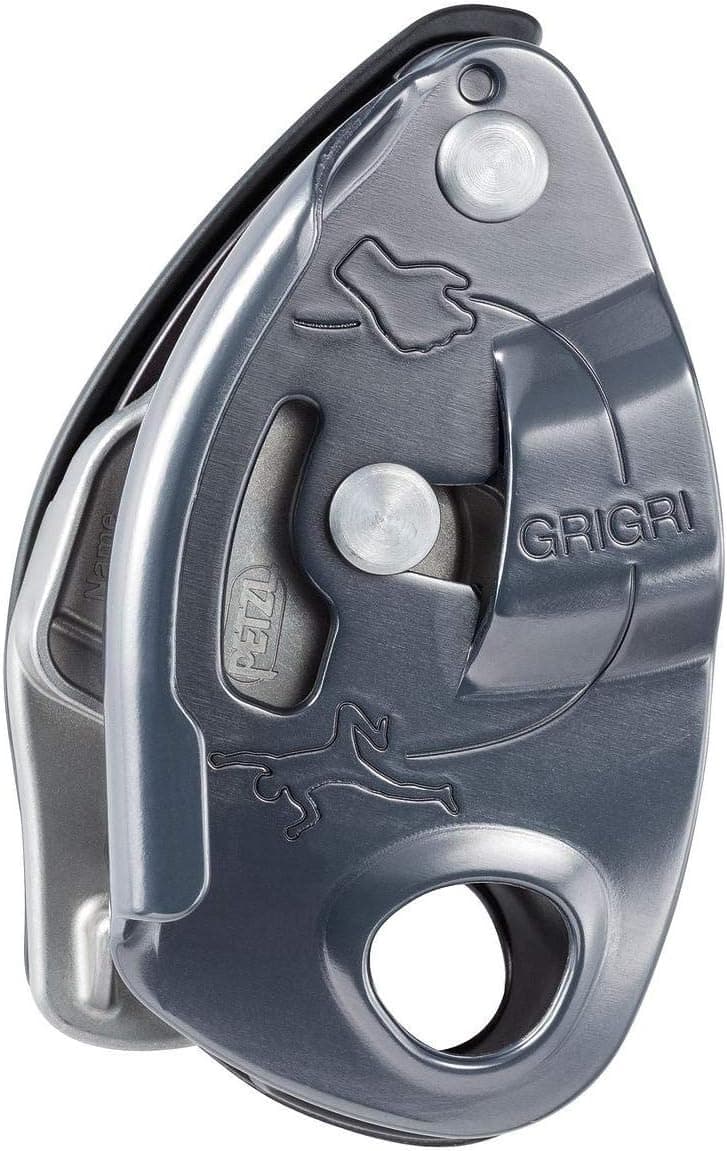
The Petzl GRIGRI 3 in gray, the latest version of the benchmark assisted braking belay device for gym and sport.
Price range: See on Amazon
What we liked
- + Assisted braking adds a margin of safety when catching falls
- + Latest GRIGRI refines rope feeding and lowering control
- + Standard device in gyms, so help and instruction are easy to find
Trade-offs
- - Heavier and pricier than simple tube belay devices
- - Single rope only, so it is not suited to double rope rappels
Who the GRIGRI 3 Is Built For
The GRIGRI 3 in gray suits gym climbers moving into their own gear and sport climbers who want an assisted-braking device for regular belaying, since Petzl designs it around a single dynamic rope between 8.5 and 11 millimeters, optimized for 8.9 to 10.5 millimeters. Its cam-assisted blocking mechanism pinches the rope when a fall loads the system, giving a belayer more margin for error than a plain tube-style device, and it is common enough in climbing gyms that new users can usually find a partner or staff member who already knows how to run it. It is a poor match for climbers who regularly rappel on two strands of rope, since the GRIGRI 3 only handles a single rope and cannot be used for a standard double-rope rappel, so multi-pitch trad climbers still need to carry a tube device alongside it.
Rope Compatibility, Materials and How the Cam Works
Petzl builds the GRIGRI 3 with aluminum side plates, a stainless steel cam and friction plate, and a reinforced nylon handle, and the device weighs 175 grams according to Petzl's own listing. The rope range spans 8.5 to 11 millimeter single dynamic ropes, with Petzl noting best performance on ropes between 8.9 and 10.5 millimeters, so pairing it with a rope outside that window can make feeding and catching feel less smooth. The handle gives mechanical advantage during lowering, and the cam pivots against the friction plate to add braking force once the rope is weighted, which is the core difference from a manual tube device that relies entirely on the belayer's brake hand. Petzl certifies the device to CE EN 15151-1 and UIAA standards.
Living With the GRIGRI 3 Day to Day
New users typically need a session or two to get comfortable feeding slack quickly to a leader, since the cam can bind up if the rope is fed too fast, and finding a smooth lowering speed with the handle takes practice before it feels automatic, a point independent reviewers commonly raise about the GRIGRI line. Petzl publishes a technical notice specific to the GRIGRI 3 covering correct rope installation, inspection points and retirement criteria, and climbers should follow that document rather than general belay habits, since incorrect loading of the device defeats the assisted braking. Routine care is mainly keeping the cam and friction plate free of grit and checking the moving parts for smooth action before each session. Petzl backs the device with a three-year warranty against manufacturing defects.
Comparing the GRIGRI 3 With Other Assisted Devices
The GRIGRI 3 sits alongside newer Petzl models like the GRIGRI+ within Petzl's own lineup, with the plus version adding an anti-panic function and a wider rope range, so climbers wanting extra beginner-friendly features may prefer that model instead. Compared with the EDELRID Mega Jul, a lighter passive-assisted device with no moving cam, the GRIGRI 3 adds true mechanical assistance at the cost of more weight and a higher price, the trade-off reflected in this set's cons. Mammut's Smart 2.0 belay package takes a similar passive-assisted approach to the Mega Jul, bundling a device with a harness, while the GRIGRI 3 is sold on its own. For climbers who want the most widely taught and recognized assisted-braking device in gyms and crags, the GRIGRI 3 remains the reference point the alternatives are measured against.
Verdict and Who Should Look at Something Else
The GRIGRI 3 fits climbers who belay often enough to justify a heavier, pricier device in exchange for the added catching margin of cam-assisted braking, and its familiarity in gyms means finding instruction is rarely a problem. Climbers who mostly need a light device for alpine routes or who regularly rappel on two ropes will find the single-rope-only design a real limitation and should look at a tube-style device instead. Sport and gym climbers doing plenty of top rope and lead belaying, and multi-pitch parties who can carry a second lightweight device for descents, are the clearest fit for adding a GRIGRI 3 to the rack. Always follow Petzl's technical notice for setup and inspection rather than relying on general belay habits.
Frequently asked questions
Can the GRIGRI 3 be used to rappel?
It can lower a single climber but is not designed for a standard double-strand rappel, so climbers doing multi-pitch descents should carry a tube-style device for that.
What rope diameters work with the GRIGRI 3?
Petzl lists 8.5 to 11 millimeter single dynamic ropes as compatible, with the device optimized for 8.9 to 10.5 millimeter ropes.
Is the GRIGRI 3 hard to learn?
It has a learning curve for feeding slack quickly and finding a smooth lowering speed, so new users should practice under supervision before belaying a leader.
Does the GRIGRI 3 replace a tube device entirely?
Not for climbers who rappel on two ropes, since it only accepts a single rope, so many multi-pitch climbers still carry both.
Prices change often, so check the current price and availability on Amazon.
Check price on AmazonClimbing Nest may earn a commission from the link above.