Metolius Dynamic PAS - Green/Red 38 Inch Review (2026)
Updated September 14, 2026 · Research-based review
Our verdict
The Metolius Dynamic PAS in green and red at 38 inches uses loops made from dynamic rope-like material instead of static webbing, giving real energy absorption if you fall onto it directly. It meets the UIAA 109 dynamic lanyard standard, a genuine upgrade over static tethers, though it is bulkier and can dangle more while climbing.
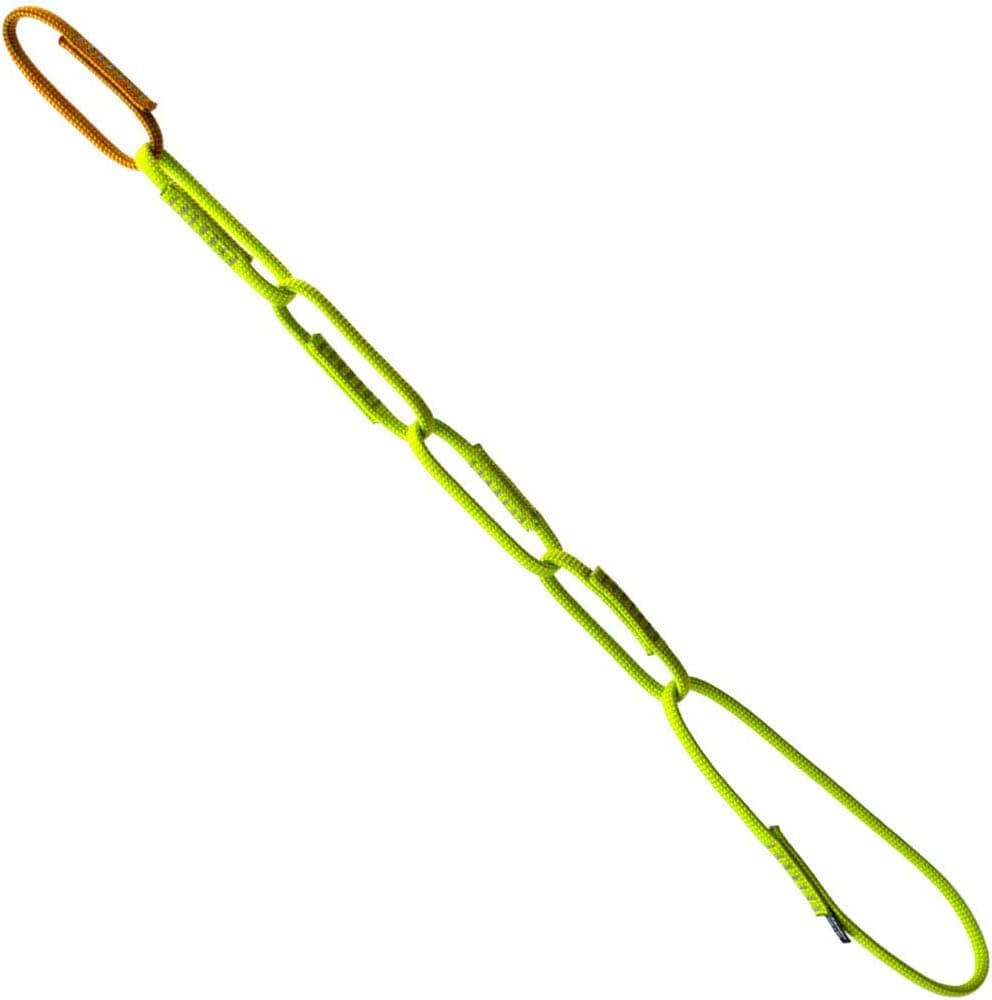
Metolius Dynamic PAS in green and red at 38 inch, a dynamic rope tether that absorbs more energy than nylon slings.
Price range: See on Amazon
What we liked
- + Dynamic rope construction absorbs energy better than static slings
- + 38 inch length gives room to reach bolts and anchor points
- + Colored loops make it easy to identify clip-in points
Trade-offs
- - Bulkier than sewn nylon or Dyneema tethers on the harness
- - Longer length can dangle and catch while climbing
Who this tether fits
The Dynamic PAS is built for climbers who want the convenience of a chain-style personal anchor tether but with real energy absorption if they were to fall directly onto it, something a static webbing PAS cannot provide. Metolius uses the same simple chain construction as its original PAS, but each loop is made from a special rope loosely based on a 10mm dynamic line rather than static webbing, so the tether stretches to soften a shock load rather than transmitting it directly to the anchor and your harness. This makes it a better match for climbers doing multi-pitch or trad routes where clipping in with some slack is a realistic possibility, compared with a static tether that depends on the climber always staying snug to the anchor. Climbers who want the lightest, least bulky tether and are confident keeping any tether snug may prefer a static option instead.
Construction, strength and length explained
This version measures 38 inches (96.5 cm) and weighs 4.2 ounces (120 grams), according to Metolius and retailer specifications, and it carries a strength rating of 15 kN, equal to roughly 3,372 pounds of force. The Dynamic PAS is built to comply with the UIAA 109 Dynamic Lanyard standard, which sets requirements including a minimum static load rating of 15 kN and the ability to absorb the energy of a factor 2 fall, tested under specific conditions where the lanyard must withstand three consecutive falls with a peak load under 10 kN on the first fall. This standard exists specifically because static tethers had been linked to serious injuries when climbers fell directly onto them, so the dynamic rope-like loops here are a direct engineering response to that known risk.
Using it day to day on multi-pitch routes
The chain-link construction works the same way as the standard Metolius PAS, letting you girth hitch it to your harness and clip into any loop along its length to adjust your distance from an anchor, but the dynamic rope material gives each loop more give under load. Owners note that the 38 inch length gives good reach for awkward bolts or anchor points that are harder to grab with a shorter tether, and the colored green and red loops make it easy to identify which loop you are clipping at a glance. The tradeoff is bulk: dynamic rope-like loops are noticeably thicker and springier than flat static webbing, so the tether takes up more space on a harness gear loop and can dangle and catch on holds or gear more than a slimmer static or Dyneema option while you are climbing between anchor points.
How it stacks up against other anchor tethers
Against the standard Metolius PAS 22, this dynamic version trades some bulk and weight for real energy absorption in a fall, a meaningful safety upgrade for climbers who cannot promise they will always stay perfectly snug to an anchor. Against the Petzl Dual Connect Adjust, an adjustable double lanyard with its own shock-absorbing element built in, the Dynamic PAS offers a simpler chain-loop design at a lower price point but less fine adjustment than a sliding adjustable lanyard. Against sewn Dyneema or nylon slings sometimes used as improvised tethers, the Dynamic PAS is purpose built to the UIAA 109 standard specifically for this use, which static slings are not rated for.
Bottom line
This is a strong pick for multi-pitch and trad climbers who want a personal anchor tether that genuinely absorbs energy in a fall rather than transmitting it directly, backed by compliance with the UIAA 109 Dynamic Lanyard standard. It earns our score of 8.6 out of 10, with build and materials rated highest thanks to the dynamic rope construction and clear safety rationale behind it. Climbers who prioritize minimal bulk and are confident keeping any tether snug to the anchor at all times may prefer the lighter static PAS 22 instead, and everyone should follow the manufacturer's instructions on proper use, since no tether replaces careful anchor technique.
Frequently asked questions
How is the Dynamic PAS different from the standard Metolius PAS?
The Dynamic PAS uses loops made from a rope-like dynamic material instead of static webbing, so it stretches to absorb energy if you fall directly onto it, meeting the UIAA 109 Dynamic Lanyard standard.
How much does the 38 inch Dynamic PAS weigh?
Metolius and retailer listings put the weight at 4.2 ounces, or about 120 grams.
What is the strength rating of the Dynamic PAS?
It is rated to 15 kN, roughly 3,372 pounds of force, meeting the UIAA 109 standard's minimum static load requirement.
Is the Dynamic PAS bulkier than a static tether?
Yes, the dynamic rope-like loops are thicker and springier than flat webbing, so it takes up more space on a harness and can dangle more while climbing between anchors.
Prices change often, so check the current price and availability on Amazon.
Check price on AmazonClimbing Nest may earn a commission from the link above.