Sterling Rope Chain Reactor, Black, 40 Inch Review (2026)
Updated September 14, 2026 · Research-based review
Our verdict
A solid choice for sport and trad climbers who want a simple, full-strength tether for clipping into anchors and rappel stations. The sewn loop chain design is easy to read at a glance, though like any static tether it should never be loaded in a way that lets you take a fall directly onto it.
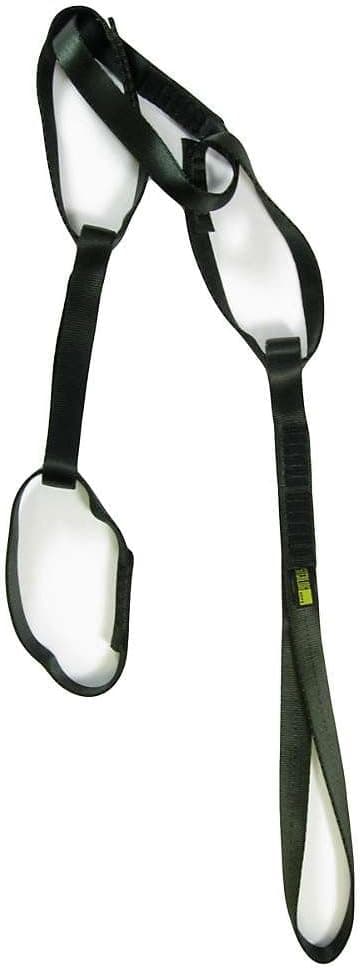
Sterling's Chain Reactor in black at 40 inch, a full-strength loop tether for anchoring at belays and rappel stations.
Price range: See on Amazon
What we liked
- + Full-strength sewn loops allow flexible anchor distance
- + 40 inch length suits most climbers for rappels and belays
- + Sterling is a respected rope and sling manufacturer
Trade-offs
- - Static material means you must avoid slack and falls on the tether
- - Black color is harder to spot than bright tethers on a busy harness
What this tether is built for
The Chain Reactor is a personal anchor style tether made from a continuous loop of nylon webbing sewn into a chain of individual loops, so a climber can clip into any link to set a working distance from an anchor. Sterling Rope, a US manufacturer known primarily for dynamic and static climbing rope, builds the Chain Reactor from 11/16 inch tubular nylon webbing rather than rope, which keeps it compact and easy to coil compared with a length of static cord. It sells in a roughly 40 inch length in this black colorway, alongside a longer 61.5 inch version and a doubled Pro construction for climbers who want a stronger connection point at the anchor end. The core idea is the same across all versions, give a climber a full strength, easy to inspect way to tie in at belay ledges, rappel stations and top rope anchors without tying knots under load.
How the loop and rating work
Sterling rates the standard Chain Reactor around 12.7 kilonewtons per loop, with the doubled Pro version rated higher near 14 kilonewtons, figures published on Sterling's own product pages. Each individual sewn loop is full strength on its own, which is the entire point of the chain design, a climber can clip a locking carabiner into whichever loop lands at a comfortable distance from the anchor rather than being stuck with one fixed length. Because the webbing is static and does not stretch the way a dynamic rope lanyard does, the manufacturer and most climbing educators are clear that this style of tether is meant purely as a static connection while transitioning at an anchor, not as protection against a real fall. Keeping some slack in the system and clipping the rope itself as backup during exposed transitions is standard practice with any webbing based anchor tether.
Everyday use at the anchor
In practice climbers reach for a chain style tether like this one whenever they need to be hands free at a station, cleaning a sport anchor, building a belay on a multi pitch route, or rigging a top rope. The black webbing coils flat and clips easily to a harness gear loop when not in use, and because it is sewn rather than tied, there are no knots to inspect for slippage over time, only the stitching and webbing condition. Owners of Sterling's chain style tethers commonly note that the loop spacing makes it simple to shorten or extend reach at a station without unclipping and reclipping a full length, which speeds up transitions on busy multi pitch routes. Regular visual checks of the stitched bar tacks and webbing surface for fraying or UV damage are part of normal care for any nylon webbing product used outdoors.
Trade-offs against other anchor tethers
Compared with a rope based lanyard like the Petzl Connect Adjust, the Chain Reactor has no dynamic stretch and no length adjuster, so it trades some fall absorbing capability for a simpler, lighter and cheaper design. Against another webbing loop tether such as the Metolius Personal Anchor System, the two are functionally similar, full strength sewn loops in a chain, and the choice often comes down to loop spacing, webbing stiffness and brand preference rather than a clear performance gap. Climbers who frequently need to fine tune their distance from an anchor, such as on via ferrata style terrain or when cleaning routes with awkward bolt placement, may prefer an adjustable lanyard instead. The black color, while low key on a harness, is also harder to spot at a glance than the brighter tethers some climbers prefer for quick visual checks during busy anchor transitions.
Who should buy it
This tether suits sport and trad climbers who want an affordable, no frills way to clip into anchors and rappel stations and who already understand how to use a static webbing tether safely, keeping it snug and never relying on it to catch a real fall. It is a good match for climbers building their first rack of personal anchor gear or replacing a worn out sling based tether with something purpose built and easy to inspect. Climbers who want built in shock absorption, a length adjuster, or a two armed lanyard for more complex rigging should look at a dynamic rope lanyard or a doubled Pro version instead. As with any life safety gear, follow Sterling's own inspection and retirement guidance and stop using the tether if the webbing shows cuts, heavy fraying or UV damage.
Frequently asked questions
Can I fall directly onto the Chain Reactor?
No. It is a static webbing tether meant for positioning at anchors, not for catching real falls. Follow the manufacturer's instructions and keep it snug rather than loaded with slack.
What length does the Chain Reactor come in?
This listing is the roughly 40 inch black version. Sterling also sells longer and doubled Pro versions with additional loops for more reach.
Is the Chain Reactor made from rope or webbing?
It is made from tubular nylon webbing sewn into a chain of loops, not from rope, which keeps it flat and easy to coil on a harness.
How do I know when to retire it?
Check the stitching and webbing surface regularly for cuts, fraying or UV damage, and retire it according to Sterling's published inspection guidance.
Prices change often, so check the current price and availability on Amazon.
Check price on AmazonClimbing Nest may earn a commission from the link above.