BlueWater Ropes 11.4mm (7/16 Inch) AssaultLine NFPA Static Rope (600 ft) Review (2026)
Updated September 14, 2026 · Research-based review
Our verdict
This 600 foot spool of BlueWater AssaultLine is built for rescue teams and rigging crews that need NFPA-rated static rope in bulk, not for individual climbers. Its low stretch and high tensile strength suit fixed lines and hauling, but a single 600 foot spool is heavy and impractical for one person's rack.
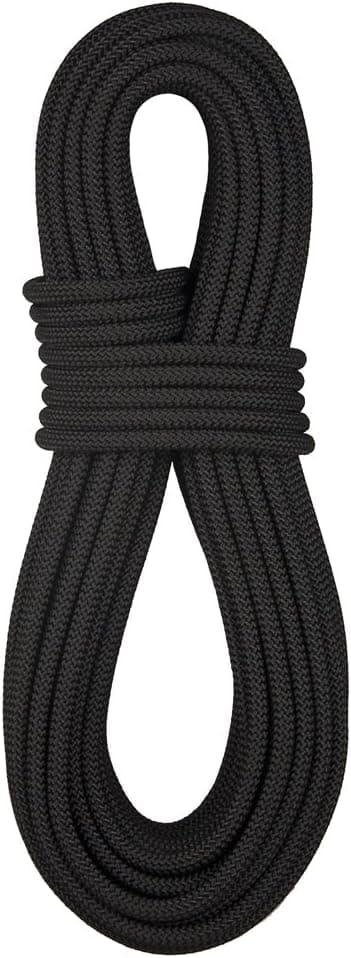
BlueWater Ropes' 11.4mm (7/16 inch) AssaultLine NFPA static rope at 600 ft, a heavy-duty spool for rescue and rigging teams.
Price range: See on Amazon
What we liked
- + NFPA rating makes it suitable for fire, rescue and professional rigging use
- + 600 ft spool lets teams cut several fixed lines to custom lengths
- + 11.4mm diameter grips well in rescue descenders and ascenders
Trade-offs
- - Massive spool is overkill and heavy for a single climber's needs
- - Static line has almost no stretch, so it is never a lead rope
Who this rope is actually for
The 11.4mm AssaultLine is built for fire, rescue and rigging professionals who need NFPA-rated static rope in bulk rather than a single climber's cragging rope. BlueWater constructs it to meet UL Classified NFPA 1983 standards for technical use rope, alongside CE EN 1891 Type A and UIAA certification, credentials that matter for teams operating under formal safety protocols. A 600 foot spool lets a team cut multiple fixed lines to custom lengths for a single job, which is the real reason to buy this length rather than a shorter, pre-cut static line. Individual climbers or canyoneers who just need one rappel line are almost always better served by a shorter, pre-cut length instead of a full bulk spool.
Construction and strength numbers
The rope uses a double twist cabled polyester sheath over a double twist cabled nylon core, a construction chosen for abrasion resistance and low stretch rather than the dynamic give a lead climbing rope needs to absorb a fall. BlueWater's own specifications list a tensile strength of 35.3 kilonewtons, or about 7,935 pounds-force, with the sheath making up 53 percent of the rope's total mass. Elongation stays low under load, reading 2.4 percent at 300 pounds-force, 5.1 percent at 600 pounds-force and 7.4 percent at 1,000 pounds-force, numbers that explain why this rope holds steady for rappelling and hauling rather than stretching like a dynamic rope would. It weighs roughly 90 grams per meter, or about 6.64 pounds per 100 feet.
How teams actually use and maintain it
Because this is a static rescue rope rather than a dynamic climbing rope, it should only be used for rappelling, hauling, fixed lines and similar low-fall-factor applications, never as a lead climbing rope where a real fall is possible. BlueWater builds the AssaultLine for military, police and rescue applications where low visibility color options matter, and teams typically store bulk spools like this coiled or on a reel away from direct sunlight, chemicals and sharp edges. Regular inspection for sheath damage, glazing from heat, or core deformation is standard practice for any life-safety rope, and any team using this rope for rescue work should follow the manufacturer's and their agency's official inspection and retirement schedules rather than estimating rope life by age alone.
How it compares with other static ropes
Against the shorter 200 foot Bluewater BWII static rope, this AssaultLine spool offers roughly triple the length in a single cut, useful for teams rigging multiple stations but excessive for a single climber's rack. Compared with the Sterling Rope SafetyPro, another rescue-grade static line, the two share a similar target market of professional rope access and rescue teams rather than recreational climbers. Against thinner static ropes in the 10.5mm range marketed for general rappelling, the AssaultLine's thicker 11.4mm diameter and higher tensile rating make it the sturdier choice for hauling loads or anchoring multiple fixed lines, at the cost of extra weight and bulk that a recreational climber does not need.
Verdict and who should buy something smaller
This rope earns its marks for features and materials because the certifications and construction genuinely suit professional rescue and rigging work, matching a rope built to a recognized safety standard rather than a general-purpose recreational line. It is the wrong purchase for a single climber wanting a rappel or top-rope solo line, since a 600 foot bulk spool is heavy, expensive to buy all at once and far more rope than one person needs. Fire departments, rope access technicians and rigging teams that can use the full spool across multiple cut lines are the intended buyers, and this rope should always be used within the limits of its NFPA rating and never substituted for a dynamic lead climbing rope.
Frequently asked questions
Is this AssaultLine rope safe to use for lead climbing?
No, it is a static rope with very low stretch built for rappelling, hauling and rescue rigging, not a dynamic rope designed to absorb the force of a lead fall, and it should only be used within its rated technical-use applications.
What is the tensile strength of this rope?
BlueWater rates the 11.4mm AssaultLine at 35.3 kilonewtons, roughly 7,935 pounds-force, based on the manufacturer's published specifications.
Does this rope carry any official certifications?
Yes, it is UL Classified to meet NFPA 1983 standards for technical use rope and also carries CE EN 1891 Type A and UIAA certification.
Why buy a 600 foot spool instead of a shorter rope?
A 600 foot spool lets a rescue or rigging team cut multiple custom-length fixed lines from one purchase, which suits teams more than individual climbers who only need a single shorter line.
Prices change often, so check the current price and availability on Amazon.
Check price on AmazonClimbing Nest may earn a commission from the link above.